
Cat Vaccines and Vet Visits: What's Actually Required and When

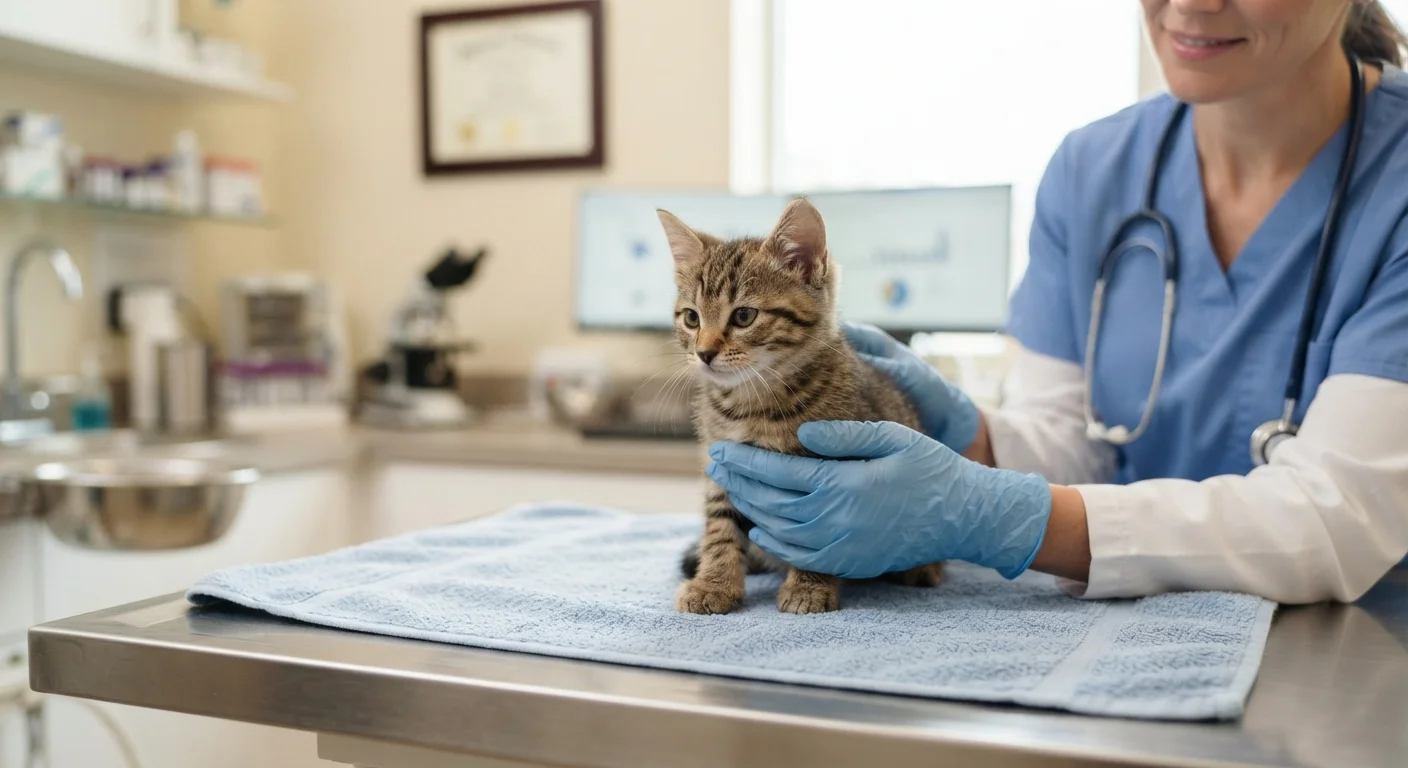
Photo: InsightsTurbo.com | Kickstart Your Knowledge Quest editorial
Core vs. Non-Core Vaccines: The Difference Matters
Not every vaccine is required for every cat — but some are non-negotiable. Veterinary guidelines from organizations like the American Association of Feline Practitioners (AAFP) divide cat vaccines into two categories:
- Core vaccines: Recommended for all cats regardless of lifestyle. These protect against diseases that are widespread, severe, or transmissible to humans.
- Non-core vaccines: Recommended based on your cat's specific risk factors — primarily whether they go outdoors or are exposed to other cats.
The standard core vaccines for cats are the FVRCP combination (covering feline viral rhinotracheitis, calicivirus, and panleukopenia) and rabies. Rabies vaccination is also legally required in most U.S. states, regardless of whether your cat is indoor-only.
Non-core vaccines include feline leukemia virus (FeLV), which is strongly recommended for cats with outdoor access or exposure to unknown cats, and feline immunodeficiency virus (FIV). Your vet will help assess which non-core vaccines fit your cat's lifestyle — the indoor vs. outdoor decision plays a direct role in that recommendation.
Core vaccine
A vaccine recommended for all cats regardless of lifestyle because the disease it prevents is severe, widespread, or poses a public health risk.
Non-core vaccine
A vaccine recommended only for cats with specific risk factors, such as outdoor access or exposure to other cats. Your vet determines need based on lifestyle.
FVRCP
A combination vaccine protecting against feline viral rhinotracheitis (herpesvirus), calicivirus, and panleukopenia. It is a core vaccine given to all kittens and adult cats.
Maternal antibodies
Protective proteins passed from a mother cat to her kittens through colostrum. They provide early immunity but fade over weeks, which is why the kitten vaccine series must begin before they fully disappear.
Booster
A follow-up dose of a vaccine given after the initial series to maintain or renew immunity over time.
The Kitten Vaccine Schedule at a Glance
Kittens receive maternal antibodies through their mother's milk, but this protection fades — typically between 6 and 16 weeks of age. During this window, vaccines are given in a series to ensure immunity develops reliably.
| First vet visit recommended | Within 1 week of adoption (AAFP Feline Vaccination Advisory Panel) |
| Kitten series start age | 6–8 weeks (AAFP guidelines) |
| Core vaccines for all cats | FVRCP and Rabies (AAFP Feline Vaccination Advisory Panel) |
| Rabies legal requirement | Required by law in most U.S. states (State and local regulations vary — verify locally) |
| Recommended adult vet visit frequency | Annually (twice yearly for cats 7+) (AAFP Senior Care Guidelines) |
| FeLV vaccine recommended for | Cats with outdoor access or exposure to unknown cats (AAFP guidelines) |
A typical kitten vaccination schedule looks like this:
- 6–8 weeks: First FVRCP dose (often given by breeder or shelter)
- 10–12 weeks: Second FVRCP; FeLV vaccine if recommended
- 14–16 weeks: Third FVRCP; rabies vaccine; FeLV booster if applicable
- 12–16 months: FVRCP and rabies boosters (one year after the final kitten dose)
This series structure exists because no single kitten dose guarantees full immunity — maternal antibodies can interfere with the vaccine's action until they fully clear. Skipping or spacing doses too far apart can leave gaps in protection during a vulnerable period.
Adult Cat Boosters: What Ongoing Visits Look Like
Once the kitten series is complete, vaccine schedules become less intensive but no less important. Adult cats typically follow one of two booster timelines depending on the vaccine type and product used:
- Every 1 year: Rabies (required by many state and local laws; some approved vaccines are licensed for 3-year use)
- Every 1–3 years: FVRCP, depending on the product and your vet's protocol
- Annually: FeLV for cats with continued outdoor or multi-cat exposure
Annual vet visits serve a broader purpose than vaccines alone. Your veterinarian will conduct a full physical examination — checking weight, teeth, heart, eyes, ears, and coat condition — and screen for early signs of illness. For cats over 7, most vets recommend twice-yearly visits given how quickly feline health can change. See our guide to cat health symptoms to know when a visit can't wait until the next scheduled appointment.
Titers: An Alternative Worth Asking About
This article is for general informational purposes only and is not a substitute for professional veterinary advice. Always consult a licensed veterinarian for guidance specific to your cat's health and vaccination needs.
The content provided on our blog site traverses numerous categories, offering readers valuable and practical information. Readers can use the editorial team’s research and data to gain more insights into their topics of interest. However, they are requested not to treat the articles as conclusive. The website team cannot be held responsible for differences in data or inaccuracies found across other platforms. Please also note that the site might also miss out on various schemes and offers available that the readers may find more beneficial than the ones we cover.