
Common Cat Health Symptoms You Shouldn't Wait Out

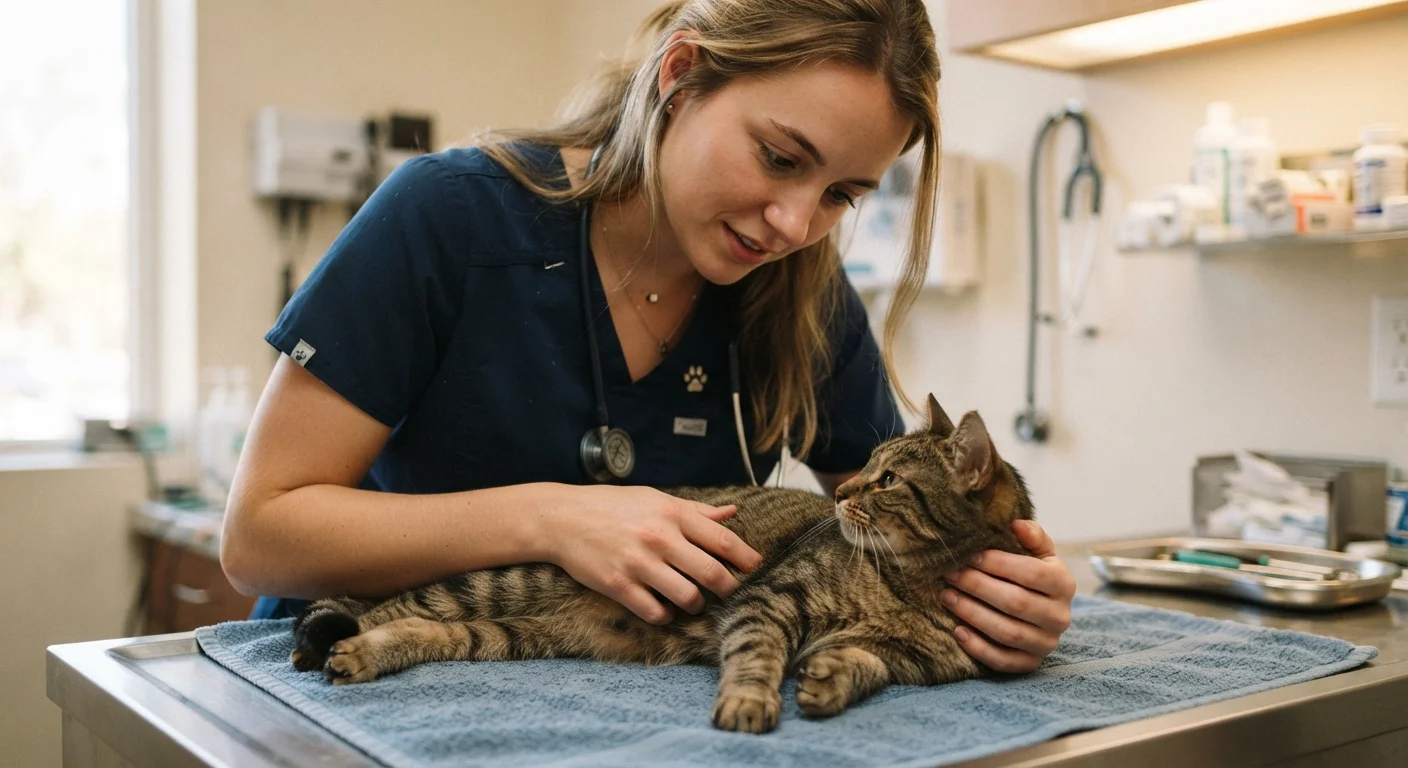
Photo: InsightsTurbo.com | Kickstart Your Knowledge Quest editorial
Key Takeaways
- Cats instinctively hide illness, so visible symptoms often signal something that has already progressed.
- Certain signs — like straining to urinate or open-mouth breathing — are emergencies requiring same-day care.
- Changes in eating, drinking, litter box use, or energy level are worth tracking and reporting to a vet.
- When in doubt, a quick call to your vet's office is always the right first move.
Why Cats Make It Hard to Tell When Something's Wrong
Cats are biologically wired to conceal weakness. In the wild, showing signs of illness makes an animal a target — and even well-loved indoor cats carry that instinct. The result: by the time a cat's symptoms are obvious to you, the underlying issue may have been developing for some time.
This doesn't mean you need to panic at every sneeze. But it does mean the bar for "worth a vet call" is lower for cats than many new owners expect. If you're still settling into life with a new cat, the first 72 hours guide is a useful starting point for understanding your cat's normal baseline — which makes spotting deviations much easier.
The symptoms below aren't an exhaustive list, and this article is general health information, not a substitute for veterinary advice. If you're ever unsure, contact your vet directly.
Establish a Baseline Early
Symptoms That Warrant Immediate or Same-Day Veterinary Attention
Some signs should never be monitored at home overnight. If you observe any of the following in your cat, contact a vet or emergency animal clinic the same day.
Straining to urinate or no urine output
A cat — particularly a male cat — that is visibly straining in the litter box, crying out, or making repeated trips without producing urine may have a urinary blockage. This is a life-threatening emergency. Blockages can cause kidney failure and death within 24 to 48 hours if untreated. Do not wait to see if it resolves on its own.
Urinary blockages can become fatal within 48 hours — never wait this one out.
Open-mouth breathing or laboured breathing
Unlike dogs, cats do not pant as a normal response to heat or exertion. If your cat is breathing with its mouth open, breathing rapidly at rest, or showing visible effort with each breath (belly heaving, nostrils flaring), this suggests a serious respiratory or cardiac problem. Seek emergency care immediately.
Open-mouth breathing in cats is almost never normal and always warrants urgent attention.
Complete loss of appetite lasting more than 24–48 hours
Cats that stop eating entirely — even for a day or two — risk a serious liver condition called hepatic lipidosis (fatty liver disease), especially if they are overweight. If your cat has eaten nothing in 24 hours, contact your vet. If it's been 48 hours or more, make it a same-day call rather than a wait-and-see situation.
Even 48 hours without food can trigger a serious liver condition in cats.
Sudden hind leg weakness or paralysis
If your cat suddenly cannot use one or both hind legs, cries in pain, or drags its back end, this may indicate aortic thromboembolism — a blood clot that can block circulation to the legs. It is acutely painful and requires emergency veterinary attention. The affected legs may feel cold to the touch.
Sudden hind leg weakness is a potential cardiac emergency — act immediately.
Repeated vomiting or blood in vomit or stool
An isolated vomit isn't unusual in cats, but vomiting multiple times in a day, vomiting alongside lethargy, or any vomit or stool that contains blood (bright red or dark, tarry material) should prompt a vet call. These can indicate poisoning, obstruction, or serious gastrointestinal disease.
Blood in vomit or stool is never a "wait and see" symptom in cats.
Significant changes in thirst or urination
Drinking noticeably more water than usual, or producing much larger clumps in the litter box, can be early indicators of diabetes, kidney disease, or hyperthyroidism — all common and manageable conditions when caught early. These changes are easy to miss but worth reporting at your next vet visit, or sooner if other symptoms accompany them.
Increased thirst is one of the earliest detectable signs of several common feline conditions.
Sudden behavioural changes or hiding
A cat that abruptly becomes withdrawn, stops responding to interaction, hides in unusual places, or seems disoriented may be in pain or distress. While some hiding is normal after stress (like moving home), a sudden shift in a cat that was previously social and engaged is worth investigating. Pair this observation with other physical signs to help your vet assess the situation.
Sudden withdrawal from a social cat is often the first visible signal that something hurts.
When to Call vs. When to Go Immediately
What to Do Between Noticing and Calling
While you're waiting for a vet appointment or deciding whether a symptom warrants a call, keep a few things in mind. Note when the symptom started, how frequently it's occurring, and whether anything changed recently — new food, a household move, a new person or pet. Vets find this context genuinely useful.
Understanding your cat's normal communication patterns also helps. Our cat body language reference guide covers posture, tail position, and facial cues that can help you spot distress before it becomes obvious. And for staying on top of preventive care, see what vet visits are actually required and when.
This article is for general informational purposes only and does not constitute veterinary advice. Always consult a licensed veterinarian for concerns about your cat's health.
The content provided on our blog site traverses numerous categories, offering readers valuable and practical information. Readers can use the editorial team’s research and data to gain more insights into their topics of interest. However, they are requested not to treat the articles as conclusive. The website team cannot be held responsible for differences in data or inaccuracies found across other platforms. Please also note that the site might also miss out on various schemes and offers available that the readers may find more beneficial than the ones we cover.