
Grooming a Short-Haired vs. Long-Haired Cat: What Each Coat Type Actually Needs

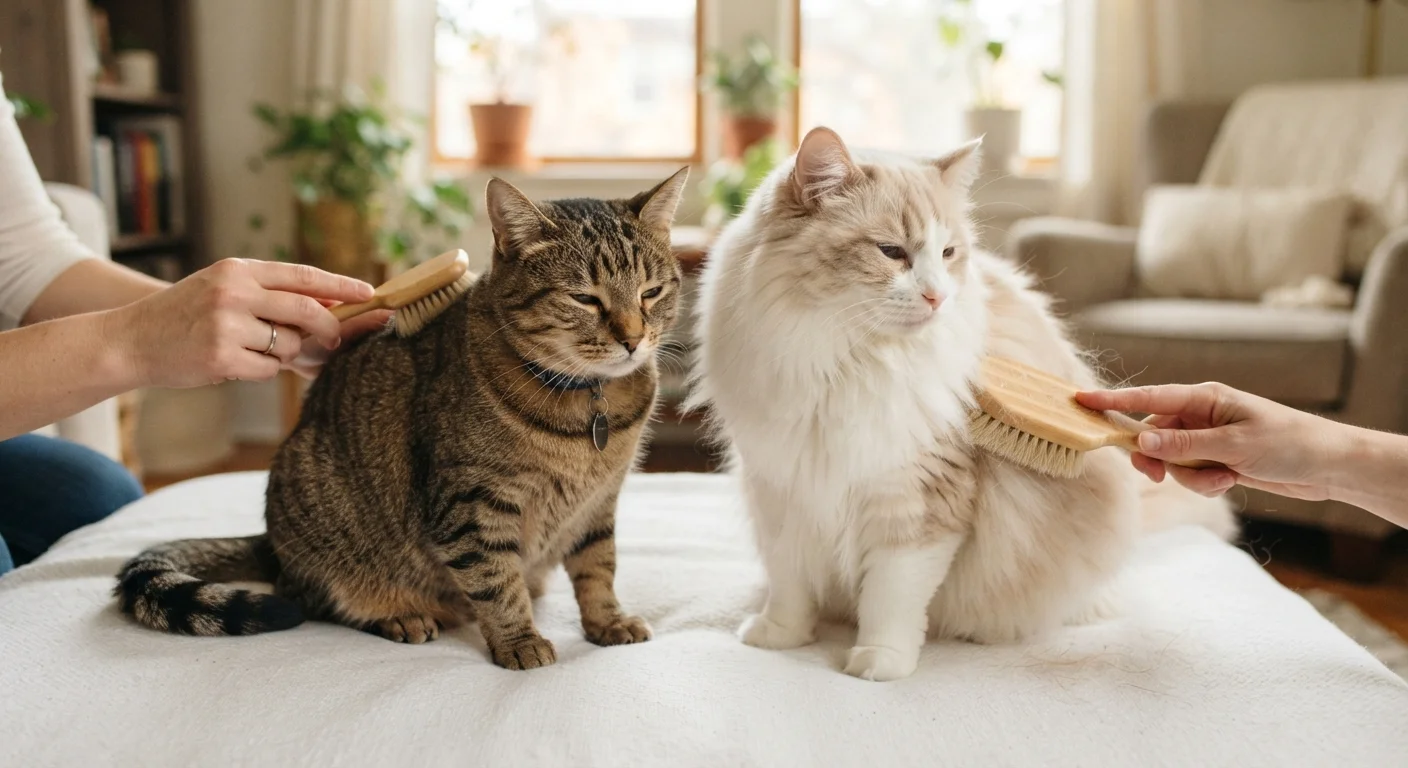
Photo: InsightsTurbo.com | Kickstart Your Knowledge Quest editorial
Key Takeaways
- Short-haired cats typically need brushing just once or twice a week to manage shedding.
- Long-haired cats require daily or near-daily brushing to prevent painful mats and tangles.
- Both coat types benefit from regular nail trims, ear checks, and dental care.
- Hairballs are a concern for both types but are significantly more common in long-haired cats.
- Professional grooming is optional for shorthairs but often recommended for longhairs a few times per year.
Why Coat Type Matters More Than Most People Expect
When choosing a cat, most people focus on personality or appearance — but coat length is one of the most practical factors affecting day-to-day care. The difference between a short-haired and long-haired cat isn't just aesthetic; it shapes how often you'll need to brush, how many hairballs your cat produces, and whether professional grooming becomes a regular expense.
Short-haired cats include breeds like the American Shorthair, Siamese, and domestic shorthair mixes. Long-haired cats include Persians, Maine Coons, Ragdolls, and many domestic longhair mixes. Both types self-groom extensively, but that instinct isn't enough on its own — especially for cats with dense or flowing coats.
If you're still weighing the broader realities of cat ownership, our guide on indoor vs. outdoor cats also touches on how a cat's environment can affect coat condition and grooming needs.
Grooming Demands Compared: A Side-by-Side Look
The table below breaks down the core grooming considerations for each coat type across the criteria that matter most to new owners.
| Short-Haired Cat | Long-Haired Cat | |
|---|---|---|
| Brushing frequency | 1–2 times per week | Daily or every other day |
| Matting risk | Low | High without consistent brushing |
| Hairball frequency | Occasional | More frequent |
| Shedding volume | Moderate, seasonal peaks | High year-round |
| Professional grooming | Rarely needed | Recommended 2–4 times per year |
| Time per grooming session | 5–10 minutes | 15–30 minutes |
| Grooming tools needed | Rubber brush or fine comb | Slicker brush, wide-tooth comb, detangler |
These differences compound over time. A short-haired cat that misses a week of brushing is usually fine. A long-haired cat that goes several days without attention can develop mats that require professional detangling — or, in severe cases, shaving under veterinary supervision.
Short-Haired Cats: Low Maintenance, Not No Maintenance
Short-haired cats are often marketed as the easier choice, and in terms of grooming, that's broadly accurate — but it doesn't mean hands-off. A once- or twice-weekly brushing session with a rubber curry brush or fine-toothed comb removes loose fur, distributes skin oils, and gives you a chance to check for skin issues, lumps, or parasites.
Shedding still happens. Short-haired cats go through seasonal coat blowouts, particularly in spring and fall, when more frequent brushing helps manage the fur on furniture and clothing. During these periods, stepping up to every-other-day brushing is reasonable.
Start Grooming Early to Build Tolerance
Beyond the coat, shorthairs still need routine nail trims every two to three weeks, periodic ear checks, and ideally regular tooth brushing or dental treats to support oral health. Hairballs can occur but are generally less frequent than in long-haired cats.
Long-Haired Cats: Beautiful Coats That Require Real Commitment
Long-haired cats are stunning, but their coats are genuinely high-maintenance. Daily brushing is the standard recommendation for breeds with fine, dense, or double-layer coats — like Persians — because mats can form within days if the coat isn't kept clear of tangles. For cats with slightly coarser textures, like Maine Coons, every-other-day brushing is often workable.
Mats aren't just cosmetic problems. Tight mats pull the skin, cause discomfort, and can trap moisture or debris against the coat. If you're uncomfortable removing a mat yourself, a professional groomer or veterinarian is the safer option than attempting to cut it out at home.
Long-haired cats also ingest more fur during self-grooming, which increases hairball frequency. Providing hairball-formula foods or supplements (always discuss these with your vet first) and maintaining a consistent brushing schedule are the two most effective preventive measures.
Most longhair owners benefit from scheduling a professional grooming appointment two to four times per year — particularly for sanitary trims around the hindquarters and a thorough deep-brush that's difficult to replicate at home.
Shared Grooming Needs Both Types Have in Common
Regardless of coat length, all cats need a baseline of routine care that goes beyond brushing:
- Nail trims: Every two to three weeks prevents overgrowth and reduces furniture scratching.
- Ear checks: A quick visual inspection monthly helps catch wax buildup or early signs of infection.
- Dental care: Dental disease is extremely common in cats. Regular tooth brushing with cat-safe toothpaste, or vet-approved alternatives, is worth building into the routine early.
- Eye area: Some cats, particularly flat-faced breeds, need gentle daily wiping around the eyes to prevent discharge buildup.
Routine vet visits are also part of maintaining overall coat and skin health — nutritional deficiencies and underlying health conditions often show up first in the coat. See our article on cat vaccines and vet visits for a broader look at what regular checkups involve.
Don't Skip Vet Visits Due to Grooming Costs
The content provided on our blog site traverses numerous categories, offering readers valuable and practical information. Readers can use the editorial team’s research and data to gain more insights into their topics of interest. However, they are requested not to treat the articles as conclusive. The website team cannot be held responsible for differences in data or inaccuracies found across other platforms. Please also note that the site might also miss out on various schemes and offers available that the readers may find more beneficial than the ones we cover.