
Reading Your Cat's Body Language: A Visual Reference Guide

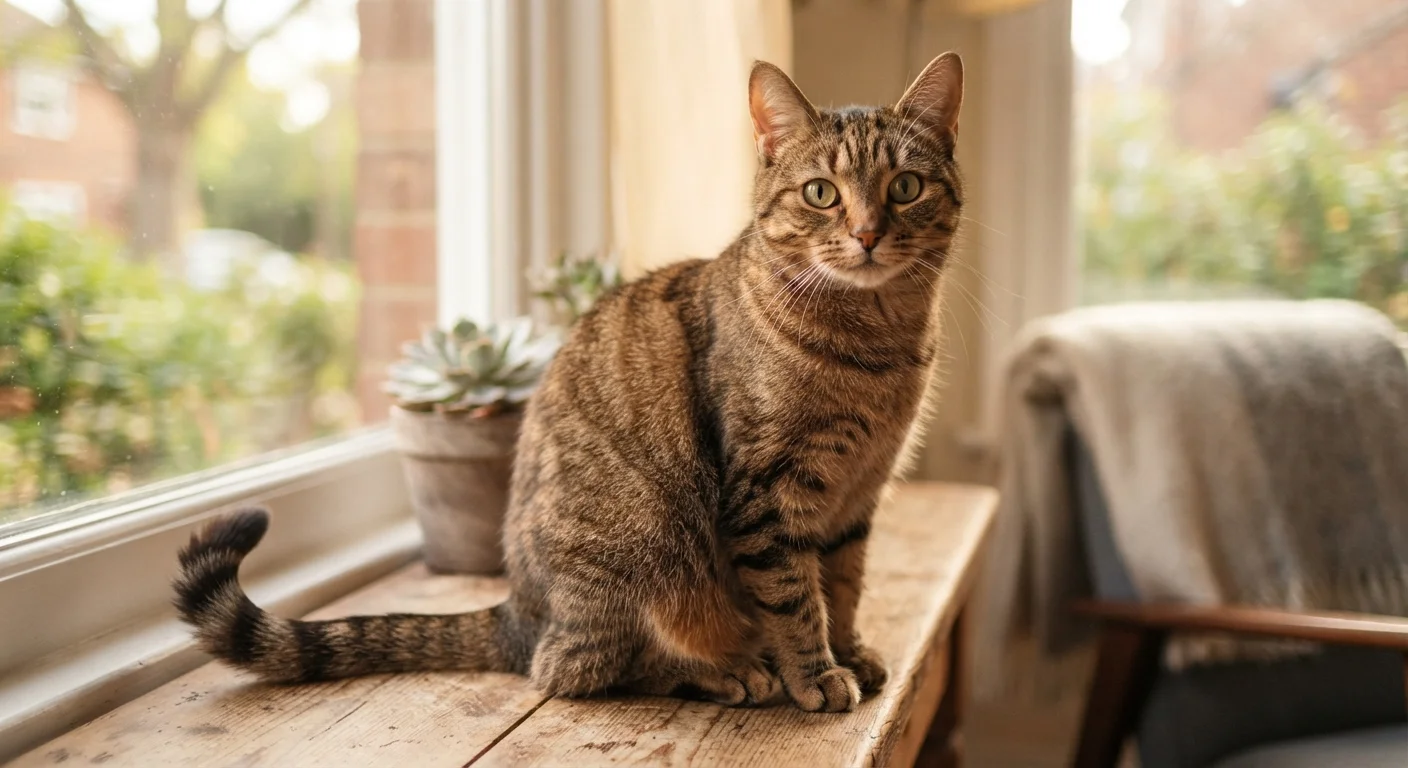
Photo: InsightsTurbo.com | Kickstart Your Knowledge Quest editorial
Why Cat Body Language Is Worth Learning
Cats are often misread as aloof or unpredictable, but they're actually communicating constantly — through their tails, ears, eyes, and overall posture. Learning to read these signals helps you respond appropriately, build trust faster, and catch early signs of stress or discomfort before they escalate.
This guide is a quick-reference resource for first-time cat owners. Use it whenever you're unsure what your cat is expressing. For a broader foundation, see the Cat Ownership for First-Timers complete reference.
| Primary communication channels | Tail, ears, eyes, posture, and vocalizations |
| Slow blink meaning | Trust and relaxation — often called a "cat kiss" (Animal Cognition journal, 2020) |
| Puffed tail indicates | Fear or extreme agitation (piloerection) |
| High tail position | Confidence and friendly greeting |
| Ears flattened back | Fear or aggression — avoid approach |
| Belly exposure | Trust signal, not always a request to be touched |
Tail Positions and What They Signal
The tail is one of your cat's most expressive tools. Here's a quick breakdown of common positions:
- Tail held high, tip slightly curved: Confident and content — a greeting signal, often directed at people or other cats they trust.
- Tail puffed out (piloerection): Frightened or highly agitated. The cat is trying to appear larger. Give them space.
- Tail low or tucked: Anxious, submissive, or unwell. Worth noting if it persists.
- Tail lashing side to side rapidly: Irritated or overstimulated — not playful. This is a warning to back off.
- Slow tail sway: Focused and alert, often seen while stalking prey or watching something intently.
- Tail wrapped around another cat or your leg: A social bonding gesture — the feline equivalent of a hug.
Curious about other puzzling cat behaviors? See why cats knock things off tables for another layer of feline communication.
Ears, Eyes, and Facial Cues
Reading your cat's face gives you real-time emotional data. These are the signals to watch:
Piloerection
The involuntary raising of fur along a cat's back or tail, caused by stress or fear. It makes the cat appear larger as a defensive response.
Bunting
When a cat presses or rubs their forehead or cheeks against a person or object. It deposits scent as a social bonding and territory-marking behavior.
Slow blink
A deliberate, relaxed closing and opening of the eyes. Research suggests cats use this as a signal of comfort and non-threat toward humans.
Overstimulation
A state where a cat has received more physical handling or sensory input than it can comfortably tolerate. Signs include skin twitching, tail lashing, and sudden biting or scratching.
Airplane ears
Informal term for when a cat's ears rotate outward and flatten sideways — an early signal of anxiety or irritation before full ear-flattening occurs.
Eyes
- Slow blink: A well-documented sign of relaxation and trust. You can slow-blink back — many cats respond positively.
- Dilated pupils in low light: Normal. In bright light, dilated pupils can indicate fear, excitement, or pain.
- Direct, hard stare: A dominance or threat signal between cats. Avoid staring back at an anxious cat — it increases stress.
- Half-closed eyes: Relaxed and comfortable in their environment.
Ears
- Forward-facing ears: Curious, engaged, or playful.
- Ears rotated sideways ("airplane ears"): Anxious or mildly irritated — monitor for escalation.
- Ears flattened against the head: Fearful or aggressive. Don't approach or try to handle the cat.
Context Always Matters
Full-Body Posture: Putting It All Together
Individual signals become clearer when you read them in combination. Here's how full-body posture ties everything together:
- Belly exposed, relaxed muscles: Trust and comfort — not always an invitation to touch. Some cats find belly rubs overstimulating even when relaxed.
- Crouched low, body tense: Fear or defensive readiness. The cat may feel cornered.
- Arched back, sideways stance: Classic fear/defensive response — the cat is trying to look threatening while feeling threatened.
- Loafing (tucked paws, upright sit): Calm and at ease. A loafing cat is not anticipating threats.
- Headbutting or rubbing against you (bunting): Marking you as safe and familiar — a clear affection signal.
Some behavioral signals can also reflect pain or illness. If your cat's posture or movement changes suddenly, consult your vet. Our related guide on common cat health symptoms you shouldn't wait out explains which signs warrant prompt attention.
If you share your home with a dog, note that their body language works quite differently — see reading your dog's body language for a side-by-side comparison.
The content provided on our blog site traverses numerous categories, offering readers valuable and practical information. Readers can use the editorial team’s research and data to gain more insights into their topics of interest. However, they are requested not to treat the articles as conclusive. The website team cannot be held responsible for differences in data or inaccuracies found across other platforms. Please also note that the site might also miss out on various schemes and offers available that the readers may find more beneficial than the ones we cover.