
Everything You Need Before Bringing a Small Pet Home

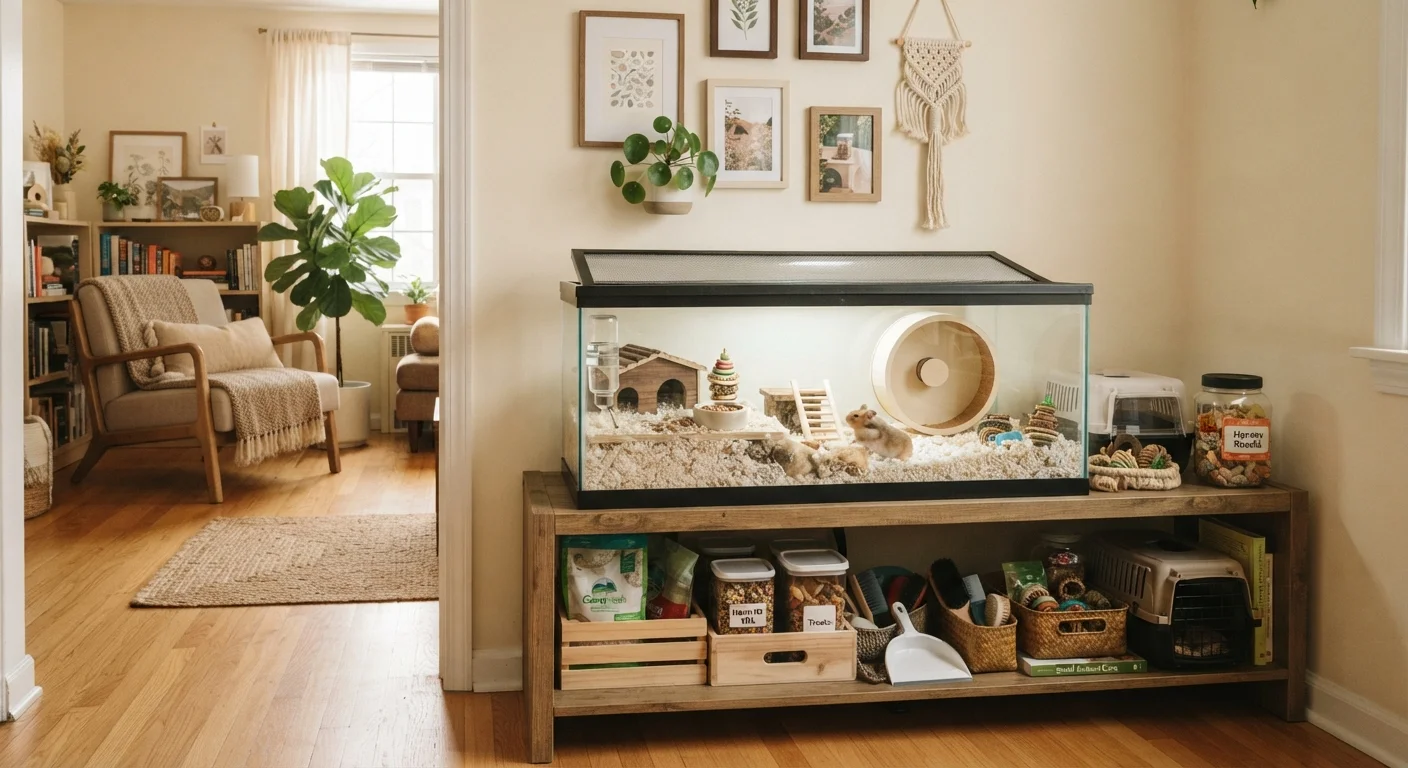
Photo: InsightsTurbo.com | Kickstart Your Knowledge Quest editorial
Key Takeaways
- Set up and test the full enclosure at least 24 hours before your pet arrives home.
- Small animals have species-specific diet needs — research your pet's requirements before buying food.
- Safety-proofing the room your pet will occupy is just as important as the enclosure itself.
- Find a vet experienced with small animals before your pet's first day home.
- Having all supplies ready in advance dramatically reduces first-day stress for both pet and owner.
Why Preparation Matters More Than You Think
Small pets — hamsters, guinea pigs, gerbils, rabbits, rats, and similar animals — are often marketed as low-maintenance starter pets. That's partly true, but low-maintenance doesn't mean no preparation. Many first-time small pet owners underestimate how stressful the transition can be for the animal, and how quickly problems emerge when the basics aren't in place.
Unlike dogs or cats, most small animals can't signal distress in ways humans easily recognize. They hide illness and discomfort instinctively as a survival mechanism. This means a poorly set-up environment or missing supply can cause harm before you notice anything is wrong. Our guide on signs that a small pet is stressed or unwell can help you catch early warning signs once your pet is home.
The checklist below covers every category you need to address before pickup day. Work through it room by room, category by category, and give yourself at least 24 hours with the enclosure fully set up before the animal arrives.
Enclosure Setup
Food and Nutrition
Health and Veterinary Preparation
Room Safety and Hazard-Proofing
Daily Care Routine
Transport and Arrival Day
Tools and Supplies You'll Need
Before you run through the checklist, gather the resources below. Not everything on this list costs money — some items are about doing research or making a phone call — but having them ready ensures you're not scrambling on arrival day.
Species Care Guide
A reliable, species-specific care reference (from a vet, animal welfare organization, or reputable educational source) to verify diet, housing, and handling requirements.
Appropriately Sized Enclosure
The correct habitat for your species — sized to meet minimum welfare standards with room for enrichment and movement.
Substrate and Bedding
Species-appropriate bedding material in sufficient quantity for initial setup plus one full replacement.
Food and Water Supplies
Staple food, a water bottle or bowl, and food dishes appropriate to the species before the animal arrives.
Travel Carrier
A secure, ventilated small-animal transport container for bringing the pet home and future vet visits.
Digital Thermometer
Used to monitor the ambient temperature in the enclosure area, which is critical for temperature-sensitive species.
Small Animal First-Aid Reference
A species-specific health reference to help you identify warning signs and know when a vet call is warranted.
If you're setting up an enclosure for the first time and want a detailed walkthrough of substrate choices, ventilation, and enrichment placement, see our guide to setting up a healthy small animal enclosure.
Not All Vets Treat Small Animals
Room-Safety and Ongoing Care
Once the enclosure is set and supplies are stocked, walk through the room where your pet will live. Small animals can escape enclosures, and even brief exposure to household hazards — electrical cords, toxic houseplants, drafts, or other pets — can be dangerous.
Common Household Hazards to Address First
Your preparation doesn't end at pickup day. Schedule a first vet visit within the first week, even if the animal appears healthy. Many exotic and small animal vets recommend an initial wellness check to establish a baseline, catch any transport stress, and answer species-specific questions. This is also the right time to ask about parasite prevention; our article on vet schedules for vaccinations and parasite prevention gives helpful context on how preventive care works, even if the specifics differ for small animals.
First-time pet owners sometimes find that once they've prepared for a small animal, they're curious about other species too. If you're also considering a cat, the kitten-proofing checklist covers a similar room-by-room approach for a very different kind of companion.
The content provided on our blog site traverses numerous categories, offering readers valuable and practical information. Readers can use the editorial team’s research and data to gain more insights into their topics of interest. However, they are requested not to treat the articles as conclusive. The website team cannot be held responsible for differences in data or inaccuracies found across other platforms. Please also note that the site might also miss out on various schemes and offers available that the readers may find more beneficial than the ones we cover.