
Signs That a Small Pet Is Stressed or Unwell

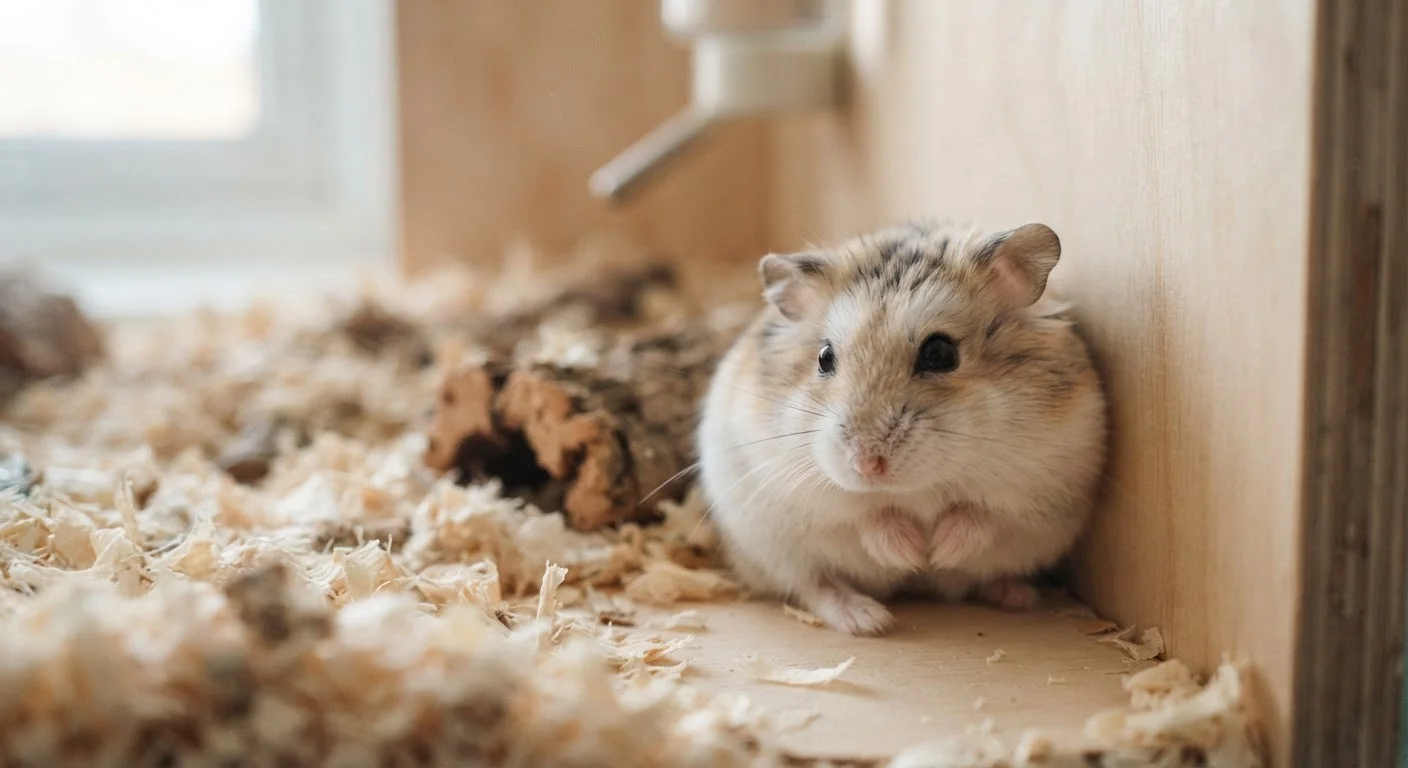
Photo: InsightsTurbo.com | Kickstart Your Knowledge Quest editorial
Key Takeaways
- Small animals instinctively conceal illness, so subtle changes in behavior often signal a real problem.
- Changes in eating, drinking, movement, coat condition, or droppings are among the most reliable early warning signs.
- Stress and illness can look similar — environment, handling, and social factors all play a role.
- When in doubt, contact an exotic or small-animal veterinarian rather than waiting to see if symptoms resolve.
- Establishing a baseline of your pet's normal behavior makes spotting change much easier.
Why Small Pets Are Hard to Read
Prey animals — which includes most popular small pets like hamsters, guinea pigs, rabbits, and gerbils — have evolved to mask weakness. In the wild, appearing sick makes them a target for predators, so they carry this instinct into captivity. By the time a small pet looks obviously unwell, a condition may already be fairly advanced.
This is why routine observation matters more than many first-time owners realize. Before you can spot something wrong, you need to know what "normal" looks like for your individual animal. Spend a few minutes each day watching your pet's behavior, noting how much they eat, drink, move, and interact with their environment. That baseline is your most useful diagnostic tool. For a broader look at setting up the right environment, see our guide on setting up a healthy enclosure for a small animal.
Behavioral Signs Something May Be Wrong
Behavior shifts are often the first thing owners notice — and they're worth taking seriously. Common behavioral warning signs include:
- Hiding more than usual: Some hiding is normal, but a pet that refuses to come out during its typically active period may be unwell or stressed.
- Lethargy or reduced activity: A rabbit that stops binkying, or a gerbil that no longer explores, may be signaling discomfort.
- Aggression or sudden fearfulness: Pain can cause previously gentle animals to bite or flee from handling they used to tolerate.
- Repetitive or compulsive movements: Bar-chewing, circling, or head-swaying often indicate stress linked to an inadequate environment.
- Vocalizing more or less than usual: Guinea pigs, for instance, are vocal creatures — a sudden silence can be as telling as unusual crying or teeth-chattering.
Establish a daily observation routine so you can detect changes early.
Weigh your small pet weekly using a kitchen scale and log the results.
Check droppings daily as part of your enclosure-cleaning routine.
Handle your pet regularly and consistently so that behavioral changes are easy to notice.
Review and rule out environmental stressors before assuming illness is the only cause.
If you're unsure whether a change is stress-driven or something physical, consider both possibilities simultaneously rather than waiting it out. Our article on common small pet myths covers misconceptions that can delay owners from acting on these cues.
Physical Signs to Check For
Once you know your pet's normal appearance, physical changes become easier to catch early. Key things to monitor include:
~80%
Of small animal illness cases showing prior subtle signs
Exotic animal veterinarians commonly note that most small pet illnesses present subtle behavioral changes before obvious physical symptoms appear, underscoring the value of routine observation.
24–48 hrs
Window before GI stasis becomes critical in rabbits
Rabbit gastrointestinal stasis — a common and serious condition — can become life-threatening within one to two days if untreated, making early symptom recognition essential.
- Coat, skin, or fur: Patchy fur, excessive scratching, scabs, or a dull coat can point to parasites, fungal infection, or nutritional deficiency.
- Eyes and nose: Discharge, crustiness, swelling, or cloudiness in the eyes, or a runny nose, are signs of possible respiratory infection or other illness.
- Droppings: Changes in the size, consistency, color, or frequency of droppings are one of the clearest early indicators. Soft, watery, absent, or very small droppings all warrant attention.
- Weight: Unexplained weight loss — even if the animal is still eating — can signal illness. A gentle weekly weigh-in using a kitchen scale helps you catch gradual changes.
- Breathing: Labored, noisy, or rapid breathing is always a reason to contact a vet promptly.
- Posture: A hunched posture, a head tilt, or a limp can each point to pain, injury, or neurological issues.
This article is for general informational purposes only and does not constitute veterinary advice. Always consult a qualified exotic or small-animal veterinarian for any concerns about your pet's health.
Stress vs. Illness: Identifying the Root Cause
Stress and illness can produce overlapping symptoms, so it helps to think about both triggers at once. Stress in small pets is commonly caused by:
- An enclosure that is too small, lacks enrichment, or has an unsuitable temperature or humidity level
- Loud noises, frequent disturbances, or being housed near a larger predatory pet
- Overhandling, or inconsistent handling that doesn't allow the animal to feel safe
- A change in routine, diet, or environment — including moving furniture near their enclosure
A Simple Stress Audit for Your Pet's Enclosure
If you've recently made a change to your pet's setup and symptoms appeared shortly after, stress is a reasonable first hypothesis — but it doesn't rule out illness. Address the environmental factor and monitor closely. If symptoms persist beyond 24–48 hours or worsen at any point, contact a vet. For comparison, our guide to dog symptoms that need a vet illustrates how urgency triage works across different species.
When to Contact a Veterinarian
Not all vets are trained in exotic or small-animal care, so it's worth finding one before you need them urgently. Search for a vet who lists small mammals, birds, or exotic animals as a specialty area.
Seek prompt veterinary attention if your small pet shows any of the following:
- Difficulty breathing or open-mouth breathing
- No eating or drinking for more than 12–24 hours
- Seizures or complete loss of coordination
- Significant bleeding, obvious injury, or suspected broken limb
- Diarrhea that is persistent or accompanied by lethargy
- A swollen abdomen
For symptoms that are subtle but lingering — such as mild lethargy or slightly reduced appetite — a same-day or next-day call to the vet for guidance is still the right move. Getting an expert opinion early is almost always better than waiting. You can also review how to build a complete care foundation in our article on everything you need before bringing a small pet home.
The content provided on our blog site traverses numerous categories, offering readers valuable and practical information. Readers can use the editorial team’s research and data to gain more insights into their topics of interest. However, they are requested not to treat the articles as conclusive. The website team cannot be held responsible for differences in data or inaccuracies found across other platforms. Please also note that the site might also miss out on various schemes and offers available that the readers may find more beneficial than the ones we cover.