
Setting Up a Healthy Enclosure for a Small Animal

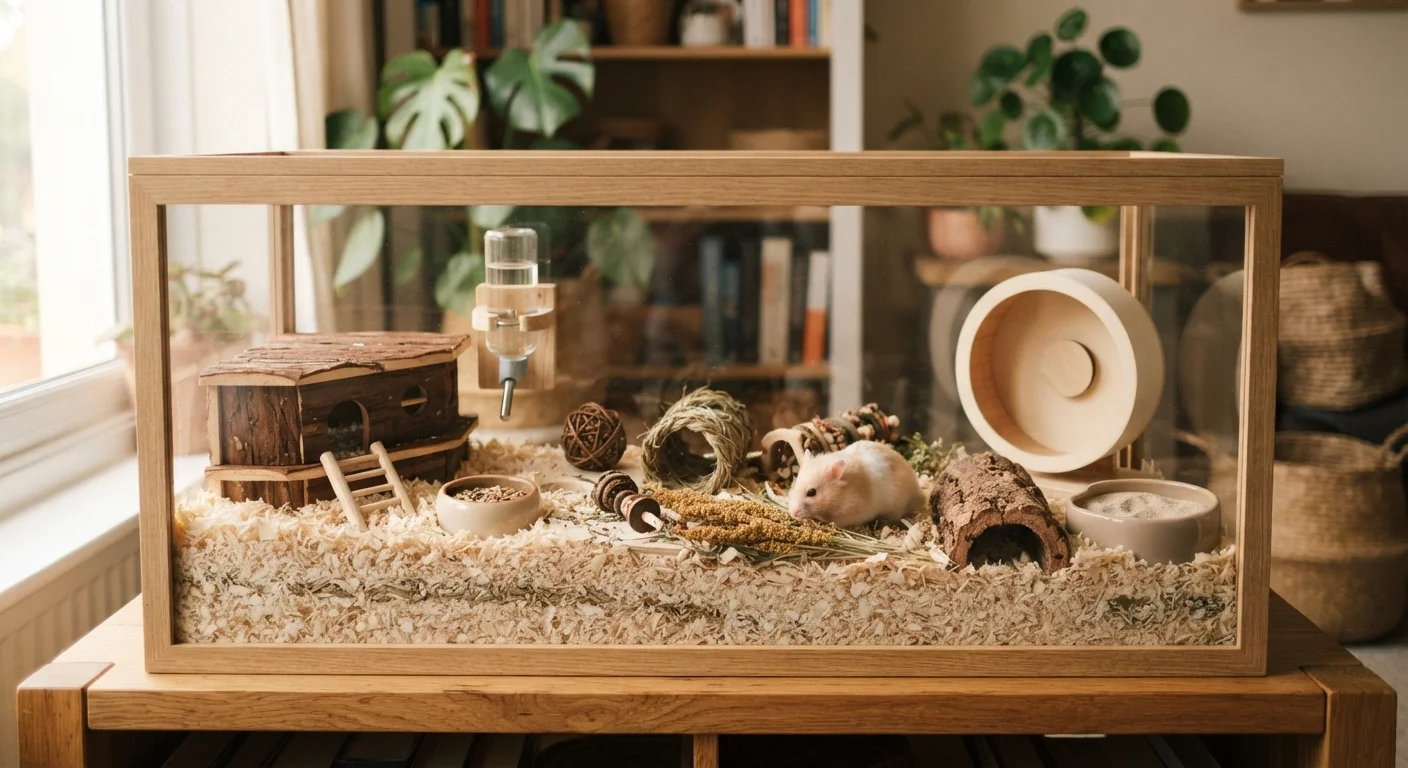
Photo: InsightsTurbo.com | Kickstart Your Knowledge Quest editorial
Key Takeaways
- Enclosure size is one of the most commonly underestimated factors in small pet health and wellbeing.
- Ventilation, substrate depth, and temperature placement matter as much as the cage itself.
- Enrichment items reduce stress and prevent boredom-related behavioral problems.
- Set up the full enclosure before bringing your pet home to reduce transition stress.
- Species-specific needs vary — what works for a hamster may not suit a guinea pig or rabbit.
Why Enclosure Setup Matters More Than You Might Expect
A small animal's enclosure is its entire world. Unlike a dog or cat that might roam a home, most small pets spend the majority of their lives within the boundaries of their habitat. That makes setup decisions — cage size, ventilation, substrate depth, enrichment — directly tied to health outcomes, stress levels, and quality of life.
New owners are often surprised to learn how much difference the details make. An undersized enclosure or the wrong bedding material can cause chronic stress, respiratory problems, or repetitive behaviors that signal an animal isn't thriving. If you're still deciding which pet to get, start with this species comparison before committing to a setup. For a broader look at what ownership actually costs, the hidden costs of owning a small pet is worth reading first.
Get Species Requirements Before You Shop
The steps below apply broadly to common small pets, but always verify species-specific requirements before purchasing supplies. What's standard for one animal may be inappropriate for another.
Appropriately sized enclosure
Provides the primary living space; minimum dimensions vary by species.
Species-safe substrate or bedding
Lines the enclosure floor, supports burrowing behavior, and absorbs waste.
Hideout or shelter
Gives the animal a safe, enclosed space to rest and feel secure.
Water bottle or heavy dish
Provides a consistent, sanitary source of fresh water.
Food dish
Keeps dry food contained and off the substrate to reduce contamination.
Wheel or exercise equipment
Supports physical activity; solid-surface wheels are essential for hamsters and gerbils.
Chew toys or enrichment items
Reduces boredom and supports dental health in many small species.
Thermometer
Helps you monitor ambient temperature near the enclosure placement spot.
Step-by-Step: Building a Habitat That Works
Follow these steps in order. Setting up the full enclosure before your pet arrives — rather than assembling it on the fly — dramatically reduces the stress your new animal experiences during the transition.
What you will need
Choose the right enclosure size
Bigger is almost always better when it comes to small animal enclosures. Many cages marketed for hamsters, gerbils, or guinea pigs at pet stores fall below the minimum space most animal welfare organizations recommend. As a starting point, look up species-specific guidelines from veterinary or small animal welfare sources rather than relying on packaging claims.
For hamsters, a common minimum is around 450 square inches of floor space. Guinea pigs need significantly more — often at least 7–8 square feet for a single animal. Rabbits generally require even larger setups or free-roaming arrangements. Our hamster care guide covers cage sizing in more detail for that species.
Select the enclosure type based on species needs
Wire-bar cages offer excellent ventilation and are suitable for guinea pigs and rabbits but risky for hamsters and gerbils, who can squeeze through or chew bars in ways that cause injury. Glass or plastic bin-style enclosures retain heat more but support deep substrate burrowing — important for hamsters. Modular plastic cages can look appealing but often prioritize aesthetics over floor space.
Check that the enclosure has a secure latch your pet can't manipulate, no sharp internal edges, and easy access for cleaning. Ventilation should be mesh or bar-based on at least one large surface — never fully enclosed.
Add an appropriate substrate layer
Substrate — the material lining the enclosure floor — serves multiple roles: it absorbs waste, controls odor, supports natural digging behavior, and cushions movement. Depth matters. Hamsters, for example, benefit from at least 6 inches of substrate to allow burrowing. Guinea pigs and rabbits need softer, shallower layers.
Paper-based bedding is widely regarded as safe and absorbent for most small animals. Avoid cedar and pine shavings, as the aromatic oils in these woods have been linked to respiratory issues. Aspen shavings are generally considered a safer wood-based option. Confirm what's appropriate for your specific species before purchasing.
Position a hideout and arrange the layout
Every small animal needs at least one enclosed hiding space where it can retreat and sleep undisturbed. For prey animals — which all common small pets are — feeling exposed is inherently stressful. Wooden, ceramic, or cardboard hideouts all work well. Avoid plastic options with poor ventilation or sharp interior edges.
Arrange the enclosure so different zones are loosely designated: a sleeping area near the hideout, a feeding area away from the toilet corner (animals typically choose one), and open space for movement. Don't overfill the space — clutter can reduce usable floor area and trap heat.
Install water and food sources
Fresh water should always be available. A sipper bottle attached to the cage wall keeps water cleaner than an open dish, though some animals prefer or require a dish — guinea pigs, for instance, often drink more readily from a bowl. If you use a dish, choose a heavy ceramic type that resists tipping and contamination.
Place the food dish away from the area your pet uses as a toilet. For species that scatter-forage naturally, you can partially bury or hide food in the substrate to encourage natural foraging behavior, which adds low-effort enrichment to their daily routine.
Add enrichment appropriate to the species
Enrichment prevents boredom and supports physical and mental health. For hamsters and gerbils, a solid-surface running wheel is considered essential — mesh or wire wheels can catch feet and cause injury. For guinea pigs and rabbits, tunnels, chew sticks, and foraging opportunities matter more since wheels are not appropriate for these species.
Rotate enrichment items periodically to keep the environment stimulating. You don't need to buy everything at once — a few well-chosen items are more useful than an overcrowded enclosure. Knowing what to watch for after setup is equally important; see signs your small pet may be stressed or unwell to understand what healthy behavior looks like once settled.
Place the enclosure in the right location
Choose a room that stays at a stable, moderate temperature year-round. Keep the enclosure away from windows with direct sun exposure, exterior walls in cold climates, and any HVAC vents. High-traffic or noisy areas can stress small animals, so a quieter corner of a living room or bedroom often works better than a kitchen or hallway.
Elevating the enclosure on a table or stand helps you interact with your pet at eye level, which reduces stress during handling, and keeps it away from floor-level drafts. Consider our full pre-arrival checklist to make sure the rest of your home is ready too.
Do a Full Dry Run Before Your Pet Arrives
Avoid These Common Placement Mistakes
Once your pet is settled and the enclosure is running smoothly, stay observant. Even well-set-up habitats can develop issues over time — blocked water bottles, moldy substrate in corners, or enrichment items that wear out. First-time owners often find these lessons from experienced small pet owners useful for catching problems early.
The content provided on our blog site traverses numerous categories, offering readers valuable and practical information. Readers can use the editorial team’s research and data to gain more insights into their topics of interest. However, they are requested not to treat the articles as conclusive. The website team cannot be held responsible for differences in data or inaccuracies found across other platforms. Please also note that the site might also miss out on various schemes and offers available that the readers may find more beneficial than the ones we cover.