
The Nitrogen Cycle Explained for New Fish Owners

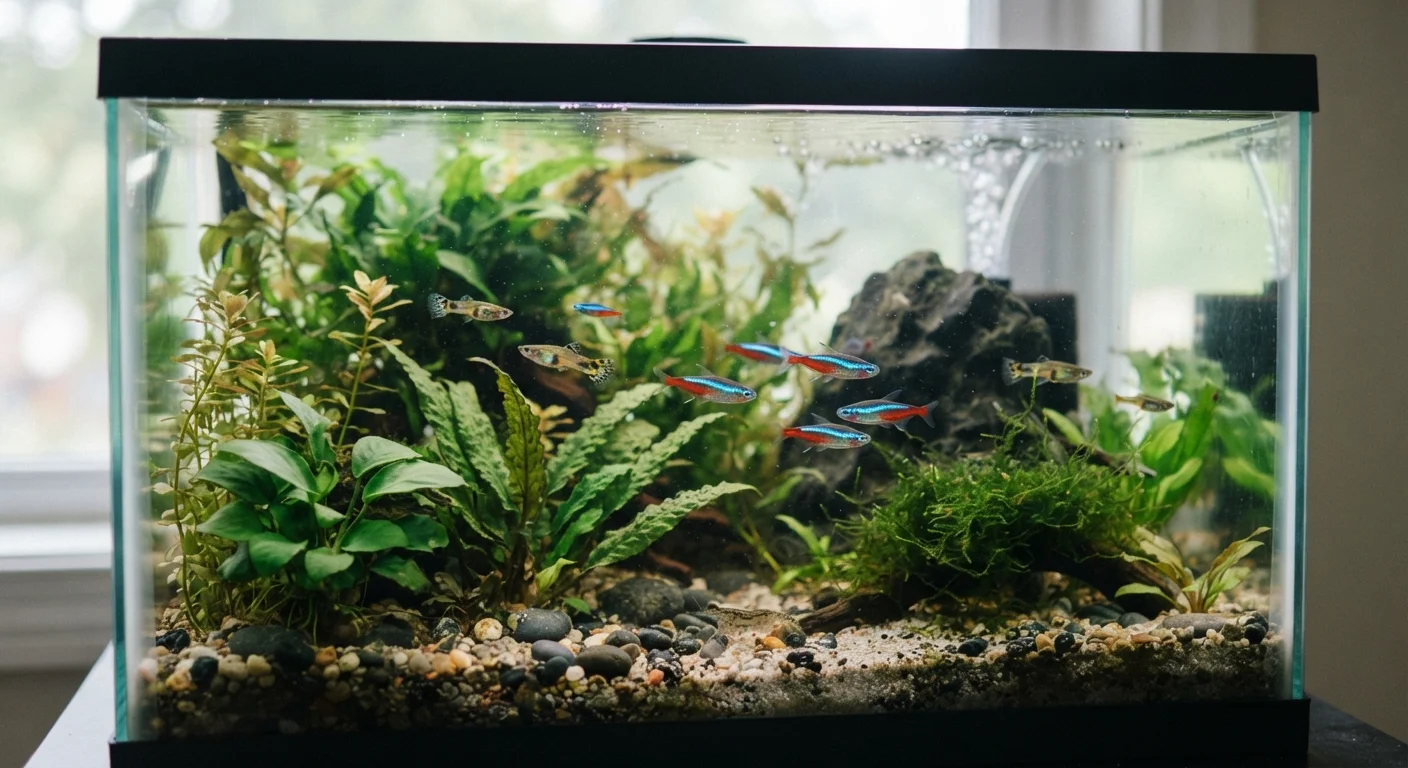
Photo: InsightsTurbo.com | Kickstart Your Knowledge Quest editorial
Key Takeaways
- Ammonia from fish waste is toxic — beneficial bacteria must be established before fish are added.
- Cycling a new tank typically takes 4–8 weeks without shortcuts.
- Most beginner fish deaths trace back to a tank that was never properly cycled.
- Regular partial water changes keep nitrate levels safe even in a cycled tank.
- Test kits are essential — you cannot judge water safety by how clear it looks.
Why This Concept Can Make or Break Your Fish's Life
New fish owners are often told to "let the tank run for a day or two" before adding fish. That advice, while well-meaning, is dangerously incomplete. The reality is that a brand-new aquarium has no biological filtration — meaning there are no bacteria present to detoxify the waste your fish will immediately start producing.
Fish release ammonia constantly through their gills, urine, and feces. In an uncycled tank, ammonia accumulates rapidly. Even at low concentrations, ammonia burns fish gills and damages organs. This invisible crisis is the leading reason beginner fish don't survive their first few weeks. See our full breakdown of why fish die early for a broader look at what goes wrong.
Clear Water Doesn't Mean Safe Water
The nitrogen cycle is not optional — it's what separates a glass box of water from a functioning aquatic ecosystem. Understanding it upfront saves fish lives and saves you frustration.
The Three Stages of the Nitrogen Cycle
The cycle moves through three chemical stages, each driven by a specific type of bacteria:
- Ammonia (NH₃): Fish waste and decomposing food release ammonia into the water. Ammonia is acutely toxic and the first compound to rise in a new tank.
- Nitrite (NO₂⁻): A group of bacteria called Nitrosomonas colonize filter media and substrate, consuming ammonia and converting it to nitrite. Nitrite is still highly toxic to fish — this stage can actually feel worse before it gets better.
- Nitrate (NO₃⁻): A second bacterial group, Nitrospira, converts nitrite into nitrate. Nitrate is far less harmful and can be managed through routine partial water changes.
When ammonia reads zero, nitrite reads zero, and nitrate is detectable, your tank is cycled. That sequence — ammonia rises, then falls; nitrite rises, then falls; nitrate appears — is what your test kit should show over those 4–8 weeks.
4–8 weeks
Typical time to fully cycle a new aquarium
This is a widely accepted range among aquarium biology resources; individual tanks vary based on temperature, ammonia source, and filter type.
0 ppm
Safe ammonia level in a cycled tank
Any detectable ammonia in an established tank signals a problem — healthy cycled tanks should read zero on a reliable liquid test kit.
~40 ppm
Nitrate threshold often cited as a concern for most freshwater fish
Many freshwater fishkeeping guidelines suggest keeping nitrate below 20–40 ppm through regular partial water changes; exact tolerances vary by species.
How to Cycle Your Tank Before Adding Fish
The safest approach is called a fishless cycle. You introduce an ammonia source (such as pure ammonia drops available at aquarium stores, or a small pinch of fish food allowed to decompose) without any fish present. This feeds the bacteria as they establish, without risking any living animal.
Use a Liquid Test Kit, Not Strips
Test your water every 2–3 days using a liquid test kit — not strip tests, which are far less accurate. Track your readings in a simple notebook or app so you can see the cycle progressing.
Once your readings consistently show zero ammonia, zero nitrite, and rising nitrate, add fish gradually — don't stock a full tank all at once. Overloading a newly cycled tank can crash the bacterial colony, restarting the problem.
It's also worth knowing that some beliefs about fish and their care are simply wrong. Common myths about small pets often lead new owners to underestimate how much biology is actually at work in a fish tank.
Keeping a Cycled Tank Healthy Long-Term
Cycling is a one-time foundation, but maintaining that biology is ongoing. A few key habits protect the bacterial colony you've built:
- Never do a full water change. Replacing 100% of the water at once wipes out ammonia and nitrite — the bacteria's food source — and can crash the cycle.
- Don't replace all filter media at once. The beneficial bacteria live primarily in your filter. Rinse media gently in old tank water (not tap water, which contains chlorine) and replace only a portion at a time.
- Change 25–30% of the water weekly. This removes accumulated nitrate without disturbing the bacterial colony.
- Avoid overfeeding. Uneaten food decays into ammonia. Feed only what fish consume in 2–3 minutes.
A cycled, well-maintained tank is genuinely stable. Once your biology is established and your habits are consistent, fishkeeping becomes significantly less stressful — for you and your fish.
Frequently Asked Questions
The content provided on our blog site traverses numerous categories, offering readers valuable and practical information. Readers can use the editorial team’s research and data to gain more insights into their topics of interest. However, they are requested not to treat the articles as conclusive. The website team cannot be held responsible for differences in data or inaccuracies found across other platforms. Please also note that the site might also miss out on various schemes and offers available that the readers may find more beneficial than the ones we cover.