
Things First-Time Small Pet Owners Wish They'd Known Earlier

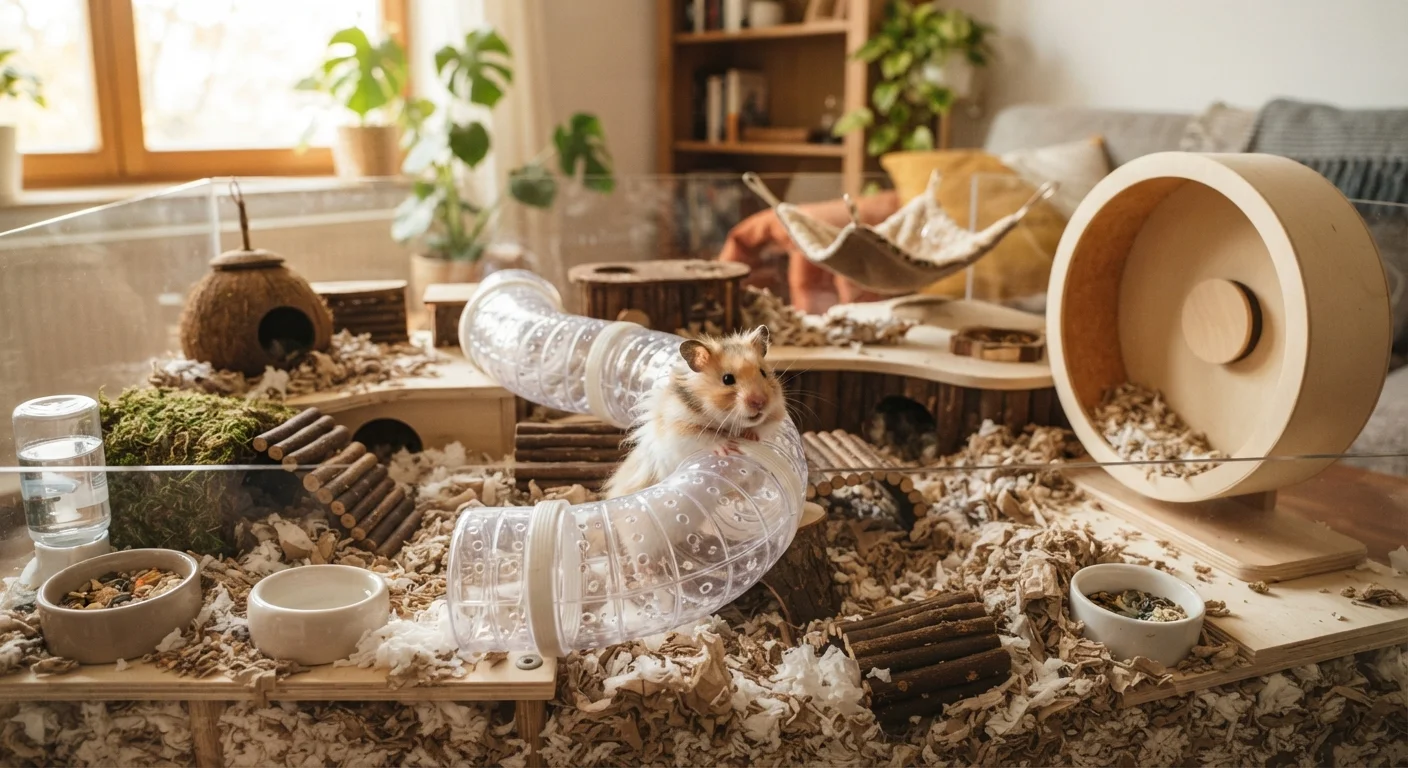
Photo: InsightsTurbo.com | Kickstart Your Knowledge Quest editorial
Key Takeaways
- Small pets are not low-effort — they need daily care, enrichment, and regular vet attention.
- Most starter cages sold in pet stores are too small for the animals they're marketed for.
- Exotic small animals often require a specialist vet, which can make care more expensive and harder to access.
- Socialization and handling habits set in the first weeks have lasting effects on temperament.
- Hidden ongoing costs — bedding, food variety, enrichment — add up faster than the upfront price suggests.
The "Easy Pet" Myth
Small animals — hamsters, guinea pigs, rabbits, gerbils, rats — are often marketed as the perfect starter pets. Low-maintenance, low-cost, low-drama. For many first-time owners, that framing turns out to be only partially true. The care bar is real; it's just different from what you'd expect with a dog or cat.
Most experienced small pet owners will tell you the same thing: they wish someone had been straight with them before day one. The good news is that most of these lessons are easy to apply once you know them. See our pre-arrival checklist for a room-by-room setup guide before your new animal arrives.
The cage that came with the starter kit is probably too small
Pet store starter kits are convenient, but the enclosures included are frequently undersized for the animals they're meant to house. Hamsters, for example, are often sold in cages with less than 200 square inches of floor space — far below the minimums recommended by most animal welfare organizations, which generally cite 450–600 square inches as a starting point for Syrian hamsters.
Before buying any enclosure, research the actual space requirements for your specific species. Our guide on setting up a healthy enclosure breaks down cage size, substrate, and placement in practical detail.
Starter kit cages are often the first thing new owners replace — and the last thing they expected to.
Finding a vet who treats small animals is harder than you'd think
Not every veterinary clinic treats rabbits, guinea pigs, or hamsters. Many small animals are classified as "exotic" patients, meaning you'll need to find a vet with specific training. In some areas, that means driving further or paying a premium for specialty care.
Search for an exotic vet in your area before you bring your pet home — not on the day something goes wrong. Emergency visits to exotic vets, when they're available at all, can be significantly more expensive than standard companion animal care. The hidden costs of owning a small pet covers this and other expenses new owners consistently underestimate.
Locating an exotic vet before an emergency is one of the most practical things a new small pet owner can do.
Handling from day one shapes your pet's temperament long-term
Many first-time owners wait for their new pet to "come to them" naturally — or, conversely, handle the animal too frequently right away. Both approaches can backfire. Small animals need a short settling-in period (usually 3–5 days of quiet observation) followed by consistent, calm, daily handling to build trust.
Skipping those early interactions, or making them stressful, can result in an animal that remains skittish or bite-prone for its entire life. For species-specific handling guidance, our hamster care from day one article covers the process in detail — and many of the principles apply across species.
Consistent, calm handling in the first weeks does more for temperament than anything you'll do afterward.
"Small pet" does not mean "cheap pet"
The purchase price of a hamster or guinea pig might be modest, but the ongoing costs accumulate quickly. Bedding needs frequent changing. Fresh vegetables supplement dry food. Enrichment items wear out or need rotating. And vet care — even for routine concerns — isn't free.
Guinea pigs, for instance, cannot produce their own vitamin C and require daily dietary supplementation. Rabbits need annual wellness checks and, ideally, spaying or neutering. These aren't optional extras; they're baseline care requirements. Budget accordingly before you commit.
The purchase price is the smallest cost of small pet ownership — ongoing expenses are where budgets get caught out.
Most small animals are more social than their reputation suggests
The idea that small pets are solitary and content to sit in a cage is one of the most persistent myths in pet ownership. Guinea pigs, for example, are highly social animals that generally do better in bonded pairs or small groups. Rats are curious, interactive, and genuinely seem to seek out human company. Even hamsters — who are largely solitary — benefit from regular, enriching interaction with their owners.
Under-stimulated small animals can develop stress behaviors like bar-chewing, excessive digging, or repetitive movements. Enrichment isn't a bonus; it's part of basic welfare.
Under-stimulation is one of the most overlooked welfare problems for small pets kept in bare, static environments.
Nocturnal or crepuscular schedules affect your lifestyle more than you'd expect
Hamsters are crepuscular — most active at dawn and dusk — and may run on their wheel through the night. If your hamster's habitat is in your bedroom, that becomes your problem. Rabbits tend to be most active early morning and early evening. Understanding your pet's natural activity pattern before choosing where to house them will save considerable frustration.
It also means that if you're expecting daytime interaction, some species simply aren't built that way. Forcing a nocturnal animal into a daytime schedule is stressful for the animal and usually unsuccessful for the owner.
A hamster wheel in your bedroom at 2 a.m. is a setup problem, not a pet problem.
Set Yourself Up for Success
None of these lessons require you to be an expert. They just require a little more preparation than the pet store pamphlet typically provides. If you're weighing small pets against dogs or cats, the care differences are real — common misconceptions about small animals are surprisingly persistent and worth reading through before you commit.
Research before you buy, not after
The animals that tend to thrive most are those whose owners went in with accurate expectations. That's a gap this list is designed to close.
The content provided on our blog site traverses numerous categories, offering readers valuable and practical information. Readers can use the editorial team’s research and data to gain more insights into their topics of interest. However, they are requested not to treat the articles as conclusive. The website team cannot be held responsible for differences in data or inaccuracies found across other platforms. Please also note that the site might also miss out on various schemes and offers available that the readers may find more beneficial than the ones we cover.