
City Break or Slow Travel: Two Very Different Ways to See the World

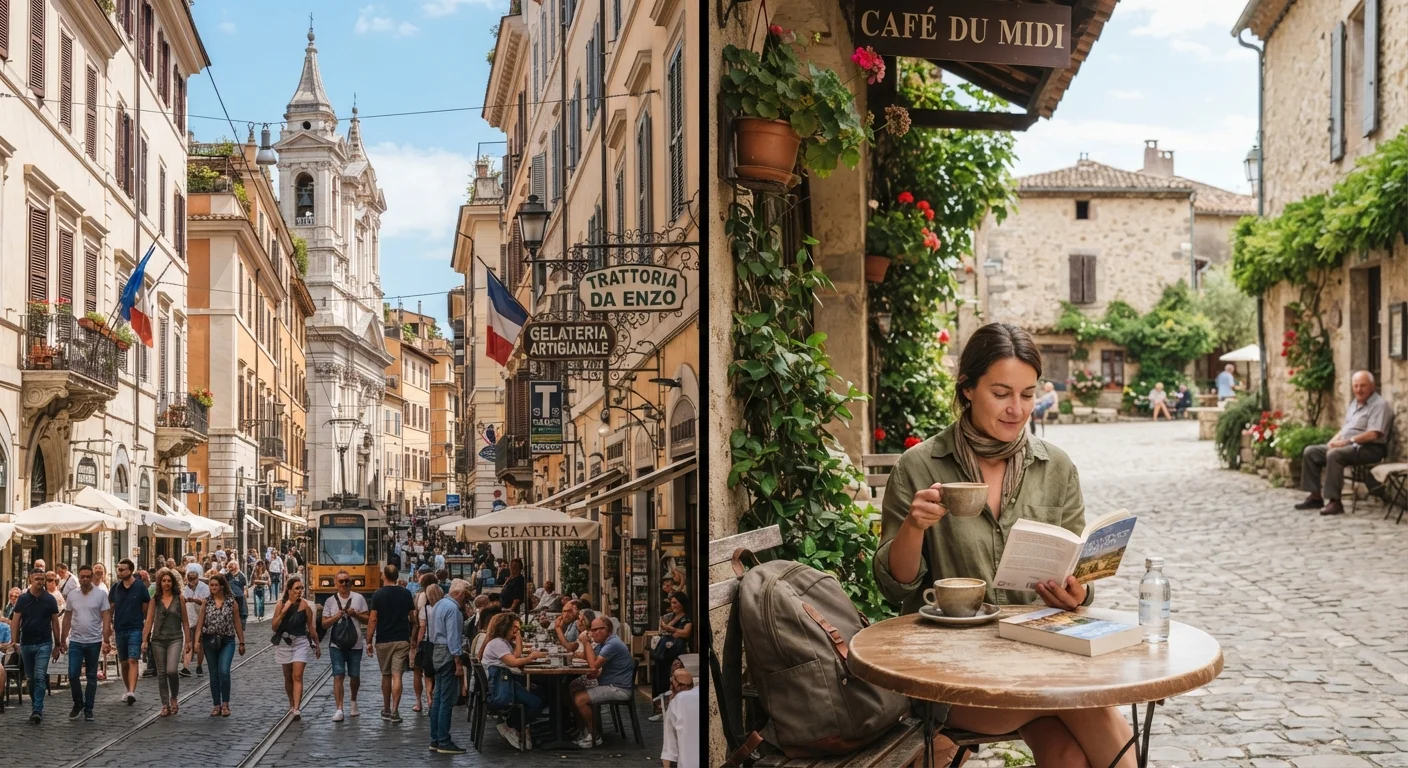
Photo: InsightsTurbo.com | Kickstart Your Knowledge Quest editorial
Key Takeaways
- City breaks pack maximum sightseeing into two to five days, ideal for limited vacation time.
- Slow travel prioritizes depth over breadth — staying weeks in one place to absorb local life.
- Neither style is objectively better; the right choice depends on your schedule, budget, and goals.
- Slow travel often reduces daily costs but requires more upfront planning for longer stays.
- City breaks suit destination-collectors; slow travel suits those seeking genuine cultural connection.
What Each Travel Style Actually Means
A city break is a short, focused trip — typically two to five days — built around squeezing a destination's highlights into a compact window. Think museum queues, packed restaurant lists, and a walking route that hits four neighborhoods before dinner. The goal is coverage: you want to leave with a clear sense of a place, even if the view from every rooftop bar blurs together by day three.
Slow travel is the opposite philosophy. Instead of moving fast across many places, you settle into one location for weeks or even months — renting an apartment, shopping at local markets, building a routine. The experience becomes less about ticking off sites and more about understanding how a place actually functions day to day. It's the difference between visiting a city and temporarily living in it.
Both styles are legitimate. Neither is more "authentic" by default. What matters is whether the format fits your actual trip conditions — not the fantasy version of your trip.
How They Compare Across the Key Decision Points
Choosing between these approaches isn't just about pace — it touches your budget, logistics, accommodation needs, and what you'll realistically remember afterward. Here's how they stack up across the factors that matter most.
| City Break | Slow Travel | |
|---|---|---|
| Typical duration | 2–5 days | 2+ weeks, sometimes months |
| Number of destinations | One to three | Usually one or two |
| Daily cost | Higher (hotels, dining out) | Lower (rentals, self-catering) |
| Planning intensity | High — pre-booking essential | Lower after initial setup |
| Cultural depth | Surface-level overview | Genuine local immersion |
| Physical/mental pace | Fast, stimulating, tiring | Slower, more restorative |
| Best accommodation type | Centrally located hotel or hostel | Apartment rental or guesthouse |
| Work/schedule compatibility | Easy — fits short PTO windows | Requires extended availability |
For accommodation specifically, the two styles push you toward very different options. City breaks often mean hotels or centrally located hostels for maximum mobility, while slow travel opens up apartment rentals and guesthouses that reward longer stays. See how each accommodation type shapes your trip experience for a deeper breakdown of what each choice means in practice.
The Real Costs: Time, Money, and Energy
City breaks front-load nearly all your travel costs. Flights, accommodation at central locations, and packed activity schedules mean higher daily spending — but the total trip cost is contained because the duration is short. If you have two weeks of vacation and want to visit three European capitals, a city break format is the only way to make that math work.
Slow travel flips the cost structure. Transportation is minimal once you've arrived, and longer stays typically unlock lower weekly or monthly rates on apartments. Daily expenses often drop significantly when you're cooking some meals at home and not paying tourist-district prices for every coffee. That said, slow travel requires a longer total absence from work or other commitments — which isn't a financial option for everyone.
Energy is worth thinking about too. Over-scheduling is one of the most common city break mistakes — and arriving home from a vacation feeling drained is a real risk when you try to maximize every hour. Slow travel builds rest in by default, which some travelers find genuinely restorative.
Try a Hybrid on Your Next Trip
Who Each Style Actually Suits
City breaks work best when you have a specific destination curiosity, limited time, and a natural comfort with logistics. If you enjoy researching neighborhoods, pre-booking restaurants, and making the most of every afternoon, the format plays to those strengths. They're also useful for first visits — a well-planned city break to Tokyo or Mexico City gives you enough foundation to decide whether you want to return for longer.
Slow travel tends to suit people who feel overstimulated by constant movement, want to practice a language, are working remotely, or are actively trying to decompress. It rewards travelers who find meaning in repetition — returning to the same café, getting to know a shopkeeper by name, noticing how a neighborhood changes across a week.
If you're planning a first multi-country trip and want a structure that balances both impulses, a realistic Euro trip framework can help you decide how many days to allocate per stop without burning out. Similarly, whether you're traveling solo or with others significantly changes which format is easier to sustain.
It's also worth considering how destination choice interacts with travel style. Some places reward slow immersion — smaller cities, regions with distinct local culture, places where the best experiences aren't found in guidebooks. Others are structured around attractions that reward a focused short visit. Researching a destination beyond the top ten lists helps you figure out which category you're dealing with before you commit to a format.
The content provided on our blog site traverses numerous categories, offering readers valuable and practical information. Readers can use the editorial team’s research and data to gain more insights into their topics of interest. However, they are requested not to treat the articles as conclusive. The website team cannot be held responsible for differences in data or inaccuracies found across other platforms. Please also note that the site might also miss out on various schemes and offers available that the readers may find more beneficial than the ones we cover.