
Trip Itinerary Mistakes That Leave Travellers Exhausted by Day Three

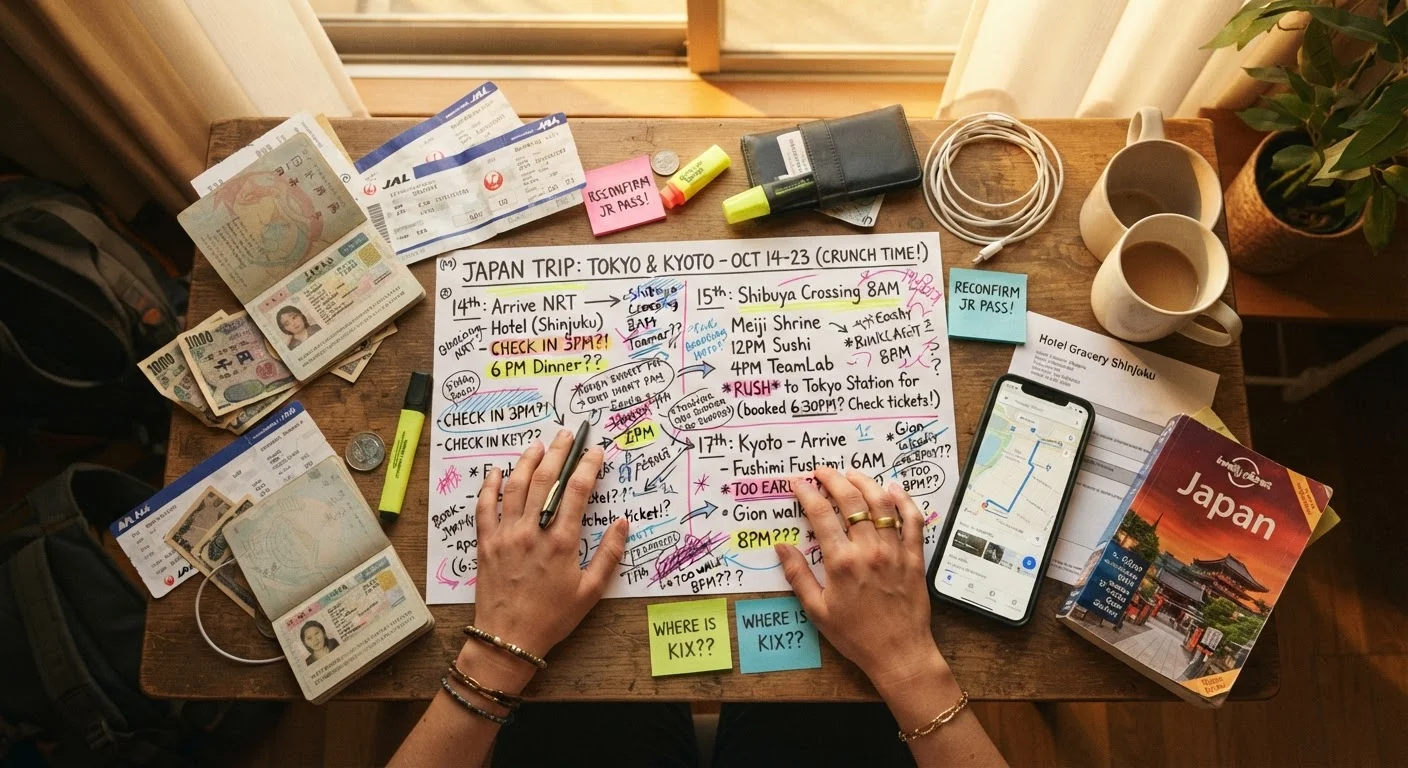
Photo: InsightsTurbo.com | Kickstart Your Knowledge Quest editorial
Key Takeaways
- Over-scheduling attractions is the leading cause of mid-trip burnout for first-time travellers.
- Buffer time between activities isn't wasted time — it's what makes the rest of the schedule sustainable.
- Travel days and arrival days need dedicated recovery time built in, not more activities.
- Rigid minute-by-minute itineraries leave no room for the spontaneous moments that define great trips.
- Mixing intensity levels across days — busy, moderate, light — prevents cumulative exhaustion.
- Accounting for logistics like transit, meals, and queues is as important as booking the attractions themselves.
Why Itinerary Mistakes Hit Hardest Around Day Three
There's a familiar pattern among travellers: day one feels electric, day two still has momentum, and then day three arrives like a wall. Energy craters. The attractions that looked exciting in the planning spreadsheet now feel like obligations. What went wrong?
Almost always, the answer is baked into the itinerary before the trip even begins. Planning mistakes compound quietly — one overscheduled morning doesn't feel catastrophic, but string five of them together and the holiday becomes an endurance test. Understanding the specific habits that cause this is the first step to building a smarter plan. For anyone starting from scratch, this complete walkthrough for first-time travellers lays a solid structural foundation before you get into day-by-day scheduling.
Treating every day like the first day of the trip.
Ignoring travel and arrival days when scheduling activities.
Stacking back-to-back attractions with no breathing room.
Underestimating how long popular sites actually take.
Planning a rigid minute-by-minute schedule with no flexibility.
Skipping meals or rushing them to stay on schedule.
How to Build Days That Actually Sustain You
Avoiding these mistakes doesn't mean planning less — it means planning smarter. A few structural habits make an outsized difference.
Use the One Big Thing Rule
Anchor each day around one major experience — a museum, a day hike, a cooking class — and treat everything else as optional additions rather than fixed commitments. This keeps the day purposeful without overloading it.
Alternate Intensity Levels
If Monday is packed and physically demanding, plan Tuesday as a slower, neighbourhood-exploration day. Alternating high-energy and low-key days prevents the cumulative fatigue that hits hardest mid-trip. This is one of the core principles explored in the city break vs. slow travel comparison — different travel styles manage pace very differently.
Build in Honest Logistics Time
Every activity takes longer than the highlight reel suggests. A popular site may have a 45-minute queue. A restaurant at peak hours may mean a wait. Cross-town transit can swallow an hour. Add at least 30–45 minutes of buffer per activity cluster, not per individual stop.
Spontaneity Needs Room to Exist
Track the Financial Side Too
Overscheduling and overspending are often linked — cramming in more activities means more last-minute purchases, rushed meals, and impulse upgrades. Why your budget always blows up abroad breaks down exactly how these small patterns drain travel funds without a single big splurge.
The content provided on our blog site traverses numerous categories, offering readers valuable and practical information. Readers can use the editorial team’s research and data to gain more insights into their topics of interest. However, they are requested not to treat the articles as conclusive. The website team cannot be held responsible for differences in data or inaccuracies found across other platforms. Please also note that the site might also miss out on various schemes and offers available that the readers may find more beneficial than the ones we cover.