
The Carry-On Packing Method That Eliminates Checked Bag Fees

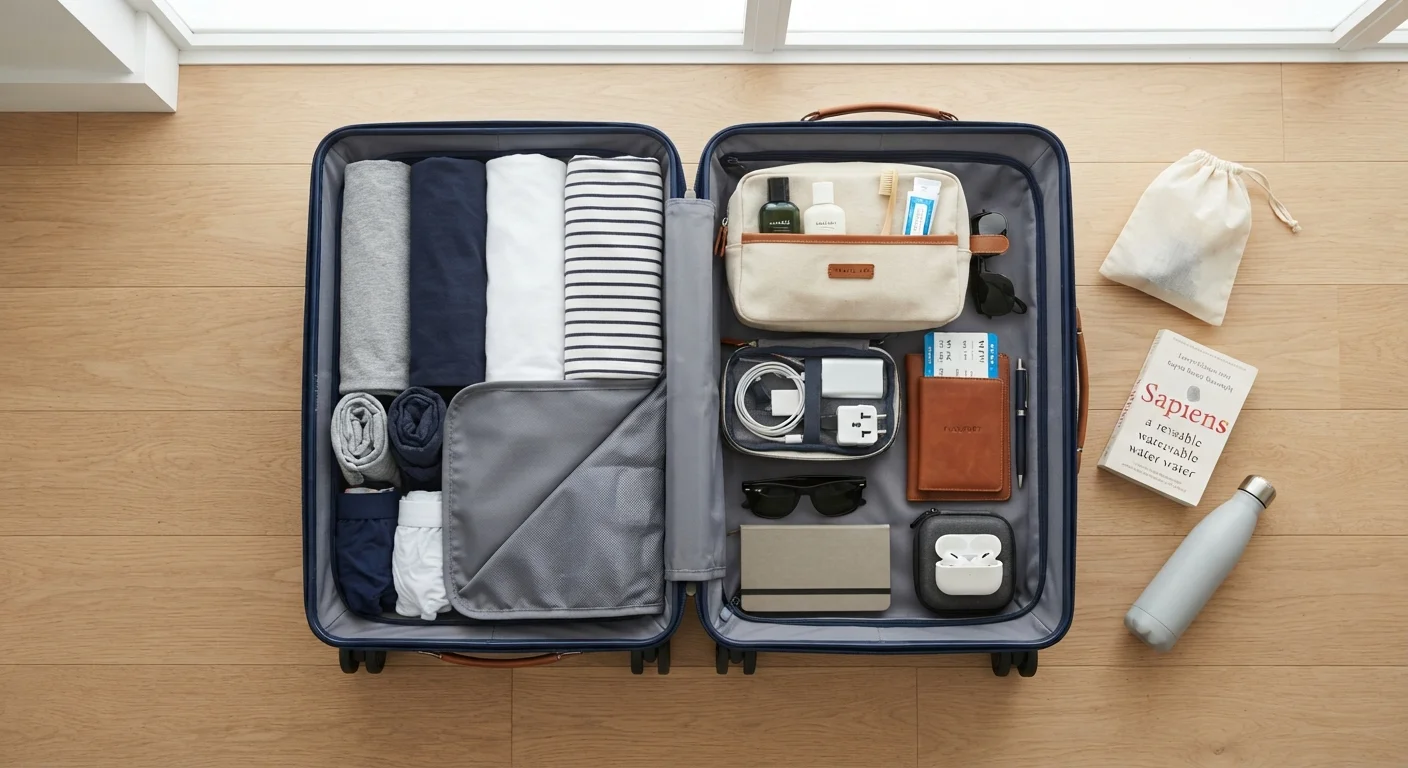
Photo: InsightsTurbo.com | Kickstart Your Knowledge Quest editorial
Key Takeaways
- A capsule wardrobe of 9–12 mix-and-match pieces covers most week-long trips without overpacking.
- Rolling clothes and using compression cubes can increase usable space by up to 30%.
- Wearing your bulkiest outfit on the plane frees significant bag space for lighter items.
- Checked bag fees across major US carriers can run $35–$40 per leg, making carry-on packing a meaningful cost saver.
- Most standard carry-ons must fit within 22 x 14 x 9 inches — always verify your airline's current policy.
Why Checked Bags Are Worth Avoiding
Checked bag fees have climbed steadily at most US carriers, with a single checked bag now running anywhere from $35 to $40 or more per flight segment on many domestic routes — meaning a round trip can cost $70–$80 before you've spent a dollar at your destination. For budget carriers, the math gets even steeper. Multiply that across a few trips a year and the savings from carry-on-only travel add up fast.
Beyond the money, checked bags mean waiting at baggage claim, the real (if low) risk of lost luggage, and the logistical friction of lugging a large bag on public transit or up stairs in an older hotel. Traveling carry-on-only removes all of those friction points at once.
Whether you're planning a quick city break or a longer adventure, the packing approach changes — see how your travel style affects what you need for a fuller picture. And if you want an honest look at the trade-offs before committing to carry-on-only travel, this breakdown of the real limitations is worth reading first.
Verify Airline Size Rules Before You Pack
What You'll Need Before You Start
The capsule packing method works best when you have the right gear from the start. You don't need expensive luggage — but a few specific tools make the difference between a bag that closes easily and one that becomes a battle every trip.
What you will need
Compression Packing Cubes
Compress rolled clothing into firm, stackable blocks that maximize every cubic inch of bag space.
Quart-Sized Clear Toiletry Bag
Required by TSA for liquids and keeps toiletries contained and accessible at security.
Packable Day Bag or Tote
Serves as your personal item on the plane and a daytime bag at the destination, replacing a second checked bag.
Packing List Template
A written or digital list prevents panic-packing and duplicate items that waste space.
For a broader look at how packing decisions fit into overall trip planning, the Trip Planning hub covers budgeting, booking, and logistics in one place.
The Step-by-Step Capsule Packing Method
Follow these six steps in order. The sequence matters: decisions made early (like your color palette and activity list) directly determine whether later steps are easy or frustrating.
Audit your itinerary before touching a single item
Open your calendar and list every distinct activity: transit days, casual sightseeing, one nicer dinner, beach time, hiking — whatever applies. Count the number of nights. This audit replaces vague "what if" packing with concrete decisions. A four-night city trip needs fundamentally different choices than an eight-night mix of hiking and city stops.
Build a capsule wardrobe around a single color palette
Select a base palette of two neutrals plus one accent color. From there, choose:
- 3 tops (mix of short and long sleeve)
- 2 bottoms (e.g., dark jeans + versatile shorts or a skirt)
- 1 layering piece (cardigan, lightweight jacket, or flannel)
- 1 dress or outfit for an elevated occasion (optional)
- 3–4 pairs of underwear and socks
- 2 pairs of shoes maximum (wear the bulkier pair on the plane)
Every item should work with at least two other items in your bag. If it only pairs with one thing, it doesn't earn its space.
Pre-pack a toiletries kit and keep it permanent
Assemble a dedicated travel toiletry kit that lives in your bag between trips. Fill travel-sized containers with your go-to products, and replenish them after each trip rather than pulling from full-size bottles. Keep only essentials: face wash, moisturizer, toothbrush/paste, deodorant, and any medications. Anything available at a drugstore at your destination can be purchased there if you run out — this mindset alone cuts toiletry weight significantly.
Roll, don't fold — then load by weight
Roll each garment tightly from the hem up and secure with compression cubes. Place heavier items (jeans, shoes in a shoe bag) at the bottom near the wheels so the bag stays balanced upright. Lighter rolls and soft items fill the middle and top. Stuff socks inside shoes to use dead space. Slide your quart bag and any flat items like a travel umbrella along the interior frame pockets.
Use your personal item as an overflow zone
Most airlines allow one carry-on plus one personal item (a tote, backpack, or small bag that fits under the seat). Put your tech — laptop, chargers, headphones — in the personal item along with your in-flight essentials: snacks, a light jacket, your wallet and documents. This keeps your overhead bin bag dedicated to clothing and frees you from digging through clothes to find your phone charger at 30,000 feet.
Do a test pack — and sit with it for 24 hours
Pack your bag completely at least 24 hours before departure. Close it, lift it, and carry it around the house. If it's a struggle to lift overhead or roll comfortably, something has to come out. The 24-hour buffer also gives you time to realize you almost forgot your prescription medication or charger — a much better discovery than at the airport gate.
Re-Wear Strategically, Not Reluctantly
If you're weighing whether this level of packing discipline is worth it for your specific trip, the packing light vs. packing for every scenario guide offers a practical framework for making that call.
TSA Liquid Rules Apply to Carry-Ons
The content provided on our blog site traverses numerous categories, offering readers valuable and practical information. Readers can use the editorial team’s research and data to gain more insights into their topics of interest. However, they are requested not to treat the articles as conclusive. The website team cannot be held responsible for differences in data or inaccuracies found across other platforms. Please also note that the site might also miss out on various schemes and offers available that the readers may find more beneficial than the ones we cover.