
What Defensive Driving Actually Means (And Why It Matters)

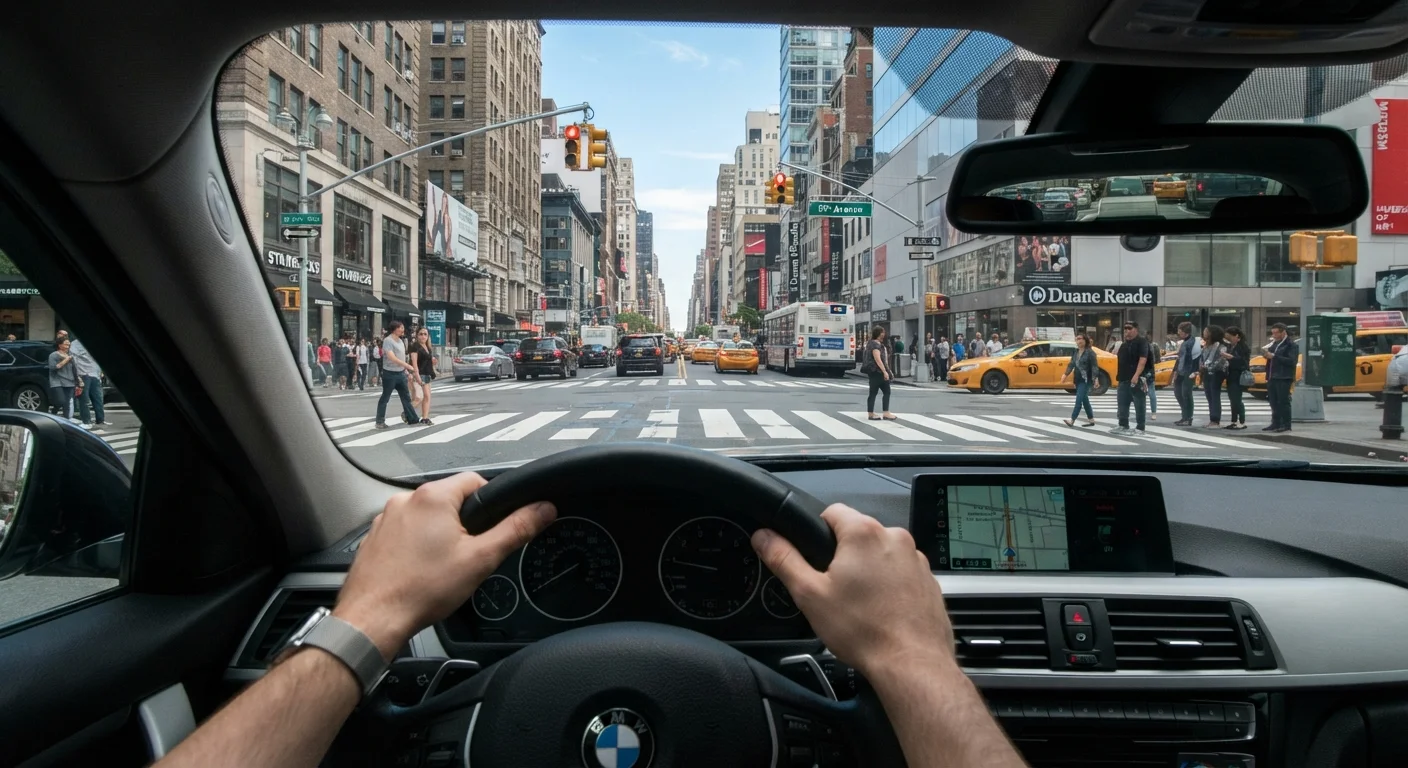
Photo: InsightsTurbo.com | Kickstart Your Knowledge Quest editorial
Key Takeaways
- Defensive driving is a proactive system, not just slow or cautious driving.
- Maintaining a 3-second following distance is one of the simplest and most effective habits.
- Scanning 12-15 seconds ahead gives you time to respond to hazards before they escalate.
- Most crashes involve driver error - defensive habits directly reduce that risk.
- Defensive driving applies on highways, city streets, and in all weather conditions.
More Than Just Being Careful
New drivers often hear "be careful out there" as a send-off - but that advice doesn't actually tell you what to do. Defensive driving fills that gap. It's a structured approach to operating a vehicle that assumes other drivers will make mistakes, and prepares you to handle those mistakes without a crash.
The core idea is simple: you can't control other people on the road, but you can control your position, your speed, your attention, and your reaction time. Defensive driving is about maximizing all four. See our complete roadmap for new drivers for a broader look at how these skills fit into becoming a confident, capable driver.
Practice the "What If" Habit
The Core Habits That Define Defensive Driving
Defensive driving isn't a single technique - it's a cluster of habits that work together. Here are the most important ones:
- Scan ahead continuously. Train your eyes to look 12-15 seconds down the road, not just at the bumper in front of you. This gives you time to identify lane changes, braking traffic, or road debris before you're already on top of it.
- Maintain a safe following distance. The 3-second rule is the standard: pick a fixed point and count three seconds between when the car ahead passes it and when you do. Increase to 4-6 seconds in rain or reduced visibility.
- Expect the unexpected. Assume that the car at a side street may pull out, that a pedestrian may step off the curb, that a merging driver didn't check their mirrors. Planning for others' errors means you're never caught completely off guard.
- Manage your speed relative to conditions. Posted speed limits reflect ideal conditions. When roads are wet, visibility is low, or traffic is heavy, the safe speed is lower. Stopping distances change dramatically with speed and weather - understanding that connection changes how you approach every drive.
- Limit distractions actively. This means phone off or silenced, music at a volume where you can still hear horns and sirens, and conversations dialed back in complex driving situations.
~94%
Crashes involving driver error or choice
According to NHTSA research, driver error - including distraction, speeding, and failure to yield - is a critical factor in the vast majority of U.S. traffic crashes.
3 sec
Minimum recommended following distance
Traffic safety educators and the National Safety Council recommend a minimum 3-second following gap under normal conditions, extending to 4-6 seconds in adverse weather.
12-15 sec
Recommended forward scanning distance (in time)
The Smith System and similar driver training frameworks teach looking 12-15 seconds ahead to maximize hazard identification time at any speed.
Why Your Mindset Matters as Much as Your Technique
The technical habits above are only as effective as the mental framework behind them. Defensive driving asks you to adopt what safety educators call a low-risk driving mindset - approaching every trip as a situation that demands your full attention, not a routine you can autopilot through.
This matters because complacency is one of the most common contributors to crashes. Familiar routes, low-traffic times, and short trips can all lull drivers into reduced alertness. A defensive mindset resists that lull by treating each drive as genuinely unpredictable - because it is.
“The goal of defensive driving is not to be a timid driver - it's to be a thinking driver. The best drivers aren't the fastest; they're the ones who see problems forming before anyone else does.”
— National Safety Council, U.S. nonprofit focused on eliminating preventable deaths and injuries
This connects directly to how you handle adverse conditions. Rain, fog, and ice don't just change traction - they demand a complete recalibration of your following distance, speed, and scanning habits. The article safe driving in adverse weather conditions walks through exactly what to adjust for each scenario.
Building These Habits From the Start
The good news: defensive driving habits are learnable, and the earlier you build them, the more automatic they become. New drivers are actually in an ideal position - you haven't yet developed the casual, distracted habits that many experienced drivers need to unlearn.
Start by picking one or two habits to focus on each week. Practice the 3-second rule consistently for a week, then add deliberate ahead-scanning the next. Stacking habits gradually is more effective than trying to change everything at once.
If you find that anxiety rather than overconfidence is your challenge on the road, you're not alone. The habits in building confidence as a new driver overlap closely with defensive driving - because competence and confidence develop together.
Certified Courses Offer Structured Practice
Frequently Asked Questions
The content provided on our blog site traverses numerous categories, offering readers valuable and practical information. Readers can use the editorial team’s research and data to gain more insights into their topics of interest. However, they are requested not to treat the articles as conclusive. The website team cannot be held responsible for differences in data or inaccuracies found across other platforms. Please also note that the site might also miss out on various schemes and offers available that the readers may find more beneficial than the ones we cover.