
Setting Up an Outdoor Living Space You'll Actually Use

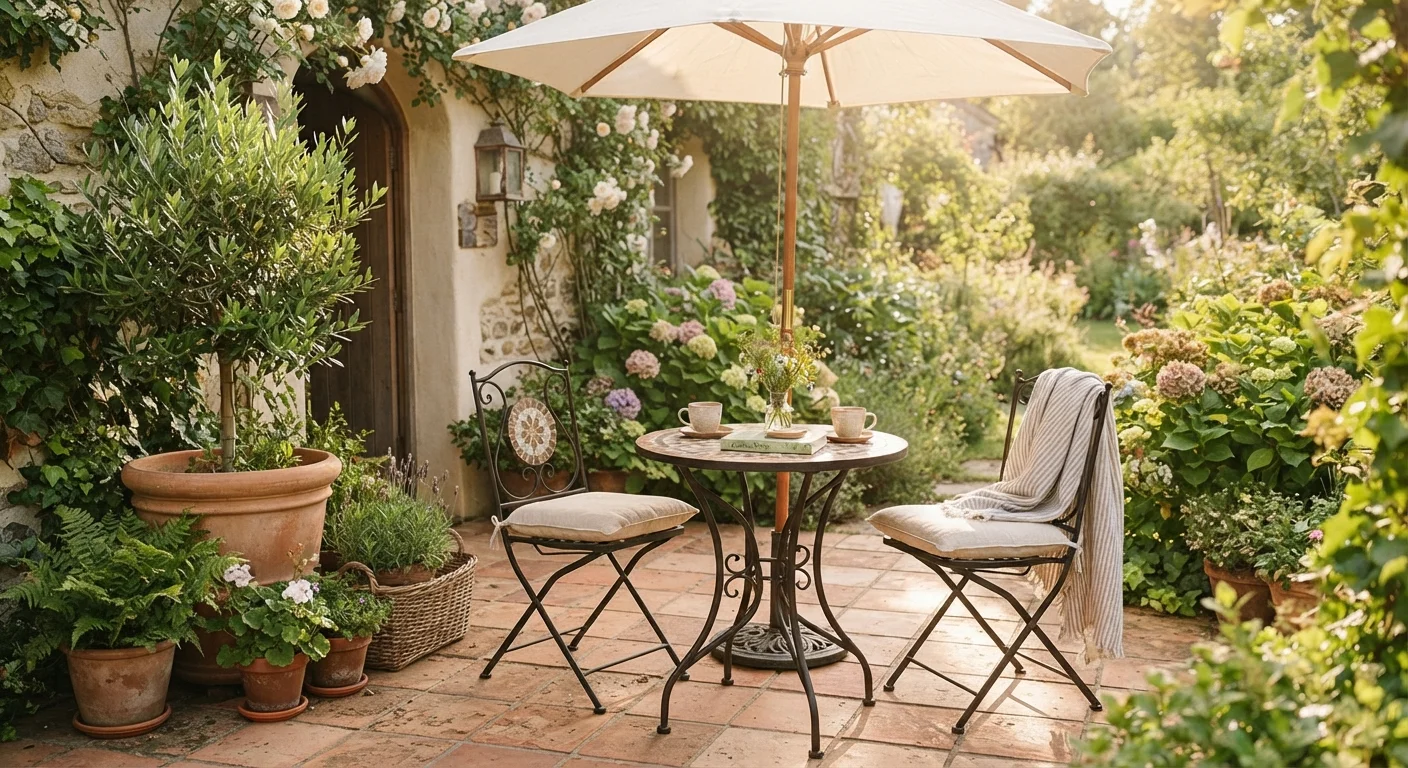
Photo: InsightsTurbo.com | Kickstart Your Knowledge Quest editorial
Key Takeaways
- You don't need a large yard or landscaping experience to create a functional outdoor space.
- Shade and seating are the two highest-impact elements to prioritize first.
- Defining zones with a rug or furniture arrangement makes any space feel intentional.
- Container plants add life and greenery without permanent installation or ground prep.
- Outdoor lighting extends how many hours a day your space is actually usable.
Why Most Outdoor Spaces Go Unused - and How to Fix That
The gap between having an outdoor area and actually using it comes down to friction. Too much sun, no comfortable seating, nowhere to set a drink, poor lighting at dusk - any one of these is enough to keep you inside. The good news is that none of these problems require landscaping expertise or a significant budget to address. They require a bit of planning and a handful of deliberate choices.
This isn't about creating an aspirational backyard for a magazine shoot. It's about making a space functional enough that you'll want to spend time in it. The same principles that shape a liveable indoor room - defined zones, appropriate lighting, comfortable seating, a sense of enclosure - apply directly outside. If you've thought about how to set up a compact interior, you already have most of the intuition you need. See our guide to setting up a small living room for how those ideas translate indoors.
Check Your Lease Before Anchoring Anything
What You'll Need
The tools and materials for this project depend on your space and budget, but these are the core items worth prioritizing. Freestanding and portable options are recommended throughout - they're easier to rearrange as you figure out what works, and they're renter-compliant.
What you will need
Tape measure
Measure your outdoor area accurately before buying any furniture so pieces fit without crowding the space.
Outdoor rug
Anchors the seating zone visually and makes hard surfaces like concrete or decking more comfortable underfoot.
Freestanding shade umbrella or sail shade
Provides overhead sun protection without requiring permanent installation into walls or structures.
String lights or solar lanterns
Adds ambient lighting so the space remains usable and inviting into the evening.
Weatherproof storage box
Keeps cushions, small tools, and accessories dry and organized between uses.
Start With One Zone, Not the Whole Space
Step-by-Step: Setting Up Your Outdoor Space
Measure and assess the space honestly
Walk your outdoor area and take measurements before buying anything. Note where the sun falls at different times of day - this determines where shade is needed and where plants will thrive. Identify any surface irregularities, drainage issues, or structural limitations like low railings or uneven ground. A clear picture of what you're working with prevents expensive mistakes.
Decide on one primary function for the space
A space that tries to do everything often does nothing well. Before choosing furniture, decide whether your outdoor area will primarily serve as a dining spot, a lounging retreat, a casual work-from-outside zone, or a container garden. Your primary use case should drive every layout decision that follows.
Add shade before anything else
Shade is the single most underestimated factor in whether an outdoor space gets used. A patio baking in direct afternoon sun will sit empty regardless of how well it's furnished. A freestanding umbrella, a sail shade strung between posts, or a pergola-style canopy can make a dramatic difference. Position shade where it blocks late-afternoon western sun, which is typically the most intense.
Define the zone with a rug and anchor furniture
Place an outdoor-rated rug to mark the boundaries of your seating or dining zone. This simple step makes even a sparse patio feel intentional. Choose furniture sized to fit within or just around the rug's perimeter - overcrowding is a common mistake. Leave enough clearance to pull chairs out comfortably (roughly 18-24 inches from the table edge to the nearest wall or obstacle).
Bring in plants to add life without complexity
Container plants are one of the most accessible ways to make an outdoor space feel alive and personal - no ground preparation required. Groupings of three containers at varying heights typically look more considered than a single pot. Choose plants suited to your actual light conditions; matching plants to their environment is the most important factor in keeping them healthy. See our container gardening guide for practical starting advice, or if you're unsure about light levels, this guide on sun and shade terminology clarifies what plant labels actually mean.
Layer in lighting to extend usable hours
Outdoor lighting transforms how long and how often you actually use a space. String lights draped overhead, solar stake lights along a path, or lanterns placed on a side table all add warmth without any wiring. Solar-powered options are especially renter-friendly since they require no electrical connection. For more ideas on working with light in a non-invasive way, the guide to lighting without rewiring translates well to outdoor contexts too.
Don't Skip Weatherproofing Your Furniture
Taking It Further: Plants, Garden Beds, and More
Once your outdoor living setup feels comfortable and used, it's a natural next step to think about growing things. Container plants are an easy entry point, but if you have ground access or want to go further, a first garden doesn't have to be complicated either. Our guide to starting a garden from scratch walks through the basics without assuming any prior experience. If you're weighing different growing setups, raised beds versus ground planting is a useful comparison to read before committing.
The broader point is that an outdoor space and a garden aren't two separate projects - they can grow together incrementally, at whatever pace suits your time and interest. Start with a space you'll actually sit in, and the rest follows naturally.
The content provided on our blog site traverses numerous categories, offering readers valuable and practical information. Readers can use the editorial team’s research and data to gain more insights into their topics of interest. However, they are requested not to treat the articles as conclusive. The website team cannot be held responsible for differences in data or inaccuracies found across other platforms. Please also note that the site might also miss out on various schemes and offers available that the readers may find more beneficial than the ones we cover.