
Starting a Garden From Scratch: What First-Time Growers Actually Need to Know

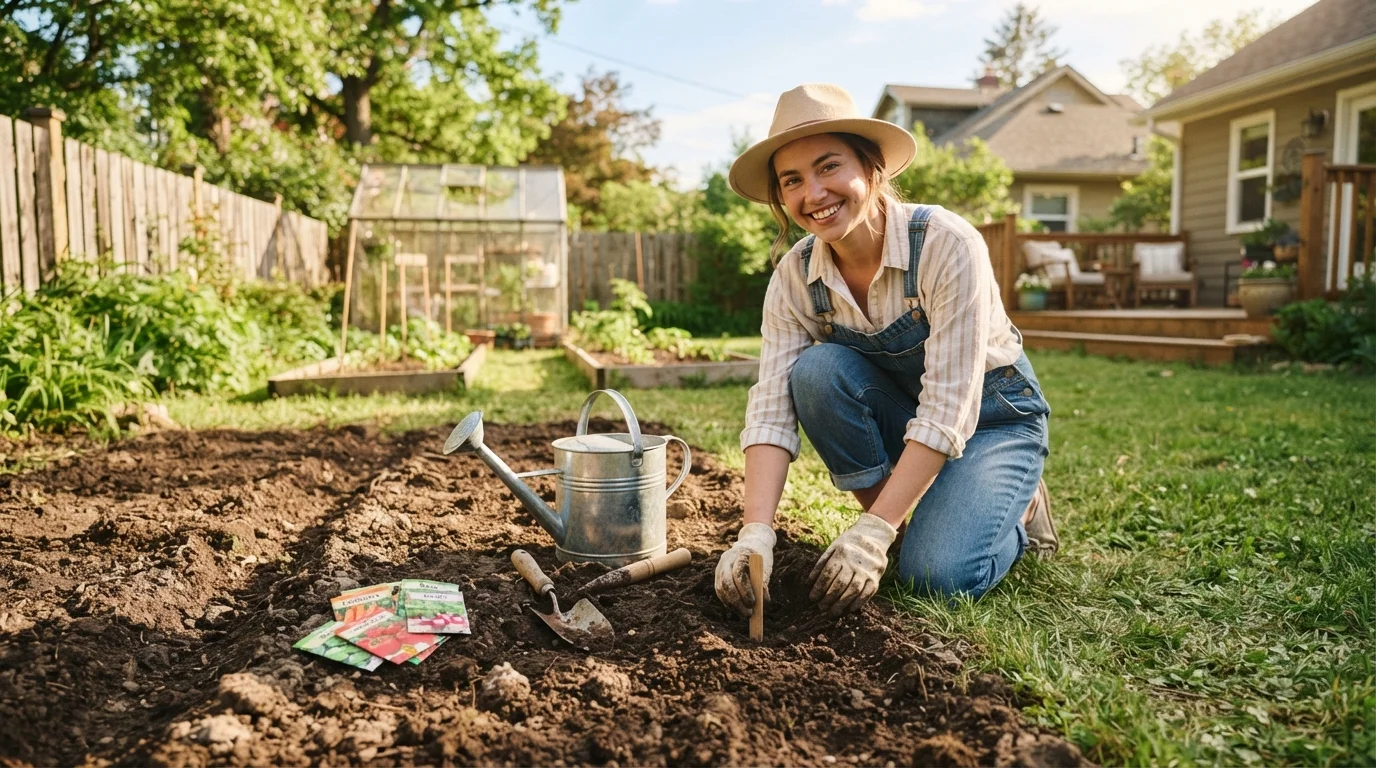
Photo: InsightsTurbo.com | Kickstart Your Knowledge Quest editorial
Key Takeaways
- Starting small is the most reliable strategy for a successful first garden.
- Sunlight availability is the single most important factor when choosing where to garden.
- Soil quality matters more than most beginners expect - poor soil limits even ideal plants.
- Forgiving, fast-growing crops build confidence and teach essential skills.
- Consistent observation beats intensive care - check your plants regularly rather than doing too much at once.
Why Most First Gardens Fail Before They Start
The most common reason first-time gardeners struggle isn't a lack of effort - it's a mismatch between expectation and reality. People often start with an oversized plot, too many plant varieties, and a vague plan, then feel overwhelmed within a few weeks. The plants suffer; the grower gives up.
The fix is almost always the same: start smaller than you think you need to. A compact, well-cared-for space will teach you far more than a sprawling, chaotic one. Before you buy a single seed or tool, take time to observe your outdoor space across different times of day and commit to a realistic scope. Use our garden readiness checklist to make sure you haven't skipped any critical prep steps.
One Plot, One Season at a Time
Choosing Your Growing Space
Sunlight is non-negotiable. Most vegetables and herbs need at least six hours of direct sunlight daily - some need eight. Before you decide where to put your garden, spend a few days tracking which parts of your yard receive full sun, partial shade, and deep shade throughout the day. Don't rely on guesswork here; this one observation shapes every decision that follows.
Once you've identified a sunny spot, consider your format. Raised beds, in-ground plots, and container gardens each have different requirements and advantages. If you're renting, containers or freestanding raised beds may be your only practical option. If you have ground access, comparing raised beds to in-ground planting can help you weigh the trade-offs before committing.
Full Sun
A garden location that receives at least six hours of direct sunlight each day. Most vegetables require full sun to grow and produce well.
Raised Bed
A contained growing area built above ground level and filled with a controlled growing mix. Raised beds warm up faster in spring and give you direct control over soil quality.
Soil Amendment
Any material added to soil to improve its structure, drainage, or nutrient content. Compost is the most common amendment used by home gardeners.
USDA Plant Hardiness Zone
A geographic classification that indicates the average minimum winter temperature in a region. It helps gardeners determine which plants can survive year-round and when to start planting.
Mulch
A layer of material - such as straw, wood chips, or shredded leaves - spread over soil to retain moisture, regulate temperature, and suppress weeds.
Cooperative Extension Service
A network of land-grant university programs across the US that provides free, research-based advice on gardening, soil testing, and agriculture for local conditions.
Understanding Your Soil
Soil is where gardens either thrive or struggle, and most beginners underestimate how much it matters. Good garden soil drains well, holds some moisture, and contains enough organic matter to support root development. The way to find out what you have is to actually test it - inexpensive soil test kits are widely available at garden centers and through your local Cooperative Extension Service, which can also interpret results for your region.
If your soil is heavy clay, sandy, or compacted, amendments like compost can significantly improve its structure. Compost adds organic matter, feeds soil microorganisms, and gradually improves drainage and water retention. You don't need to fix everything at once - even a modest improvement in your first season can make a meaningful difference. For more on whether building a compost system makes sense alongside your garden, see our honest look at composting for small gardens.
Avoid Using Untested or Unknown Soil
What to Grow First
Choosing the right crops is one of the highest-leverage decisions a new gardener makes. Fast-growing, forgiving plants build confidence and give you useful feedback quickly. Slow, finicky crops that take months to produce - and fail easily - are discouraging for anyone still learning the basics.
Leafy greens (lettuce, spinach, arugula), radishes, bush beans, and zucchini are widely regarded as reliable starter crops in many US regions. Herbs like basil, chives, and mint are also rewarding because they're quick, versatile, and usable in the kitchen. Our guide to easy vegetables for first-season growers explores which crops work well and what conditions help them thrive. Aim for no more than three to five plant types in your first season - variety is better learned gradually.
Basic Care Habits That Actually Matter
Most plant problems are caught - and corrected - through regular observation rather than intensive effort. Make it a habit to spend a few minutes in your garden every couple of days. Look at the leaves, check the soil moisture, and notice any changes in color or structure. Early identification of pest pressure or watering issues is far easier to address than a late-stage problem.
Watering consistently (rather than heavily and infrequently) is among the most impactful habits you can build. Most vegetable gardens need approximately one inch of water per week from rain or irrigation. Mulching around plants helps retain that moisture and suppresses weeds, reducing how much maintenance the garden demands overall. For strategies that keep plants healthy without relying on chemical interventions, good hygiene and observation practices can meaningfully reduce the need for reactive fixes. If seedlings collapse or struggle early on, common seedling failure causes are worth reviewing before your next planting attempt.
Frequently Asked Questions
The content provided on our blog site traverses numerous categories, offering readers valuable and practical information. Readers can use the editorial team’s research and data to gain more insights into their topics of interest. However, they are requested not to treat the articles as conclusive. The website team cannot be held responsible for differences in data or inaccuracies found across other platforms. Please also note that the site might also miss out on various schemes and offers available that the readers may find more beneficial than the ones we cover.