
Renting vs. Owning: Which Home Improvements Are Actually Yours to Make?

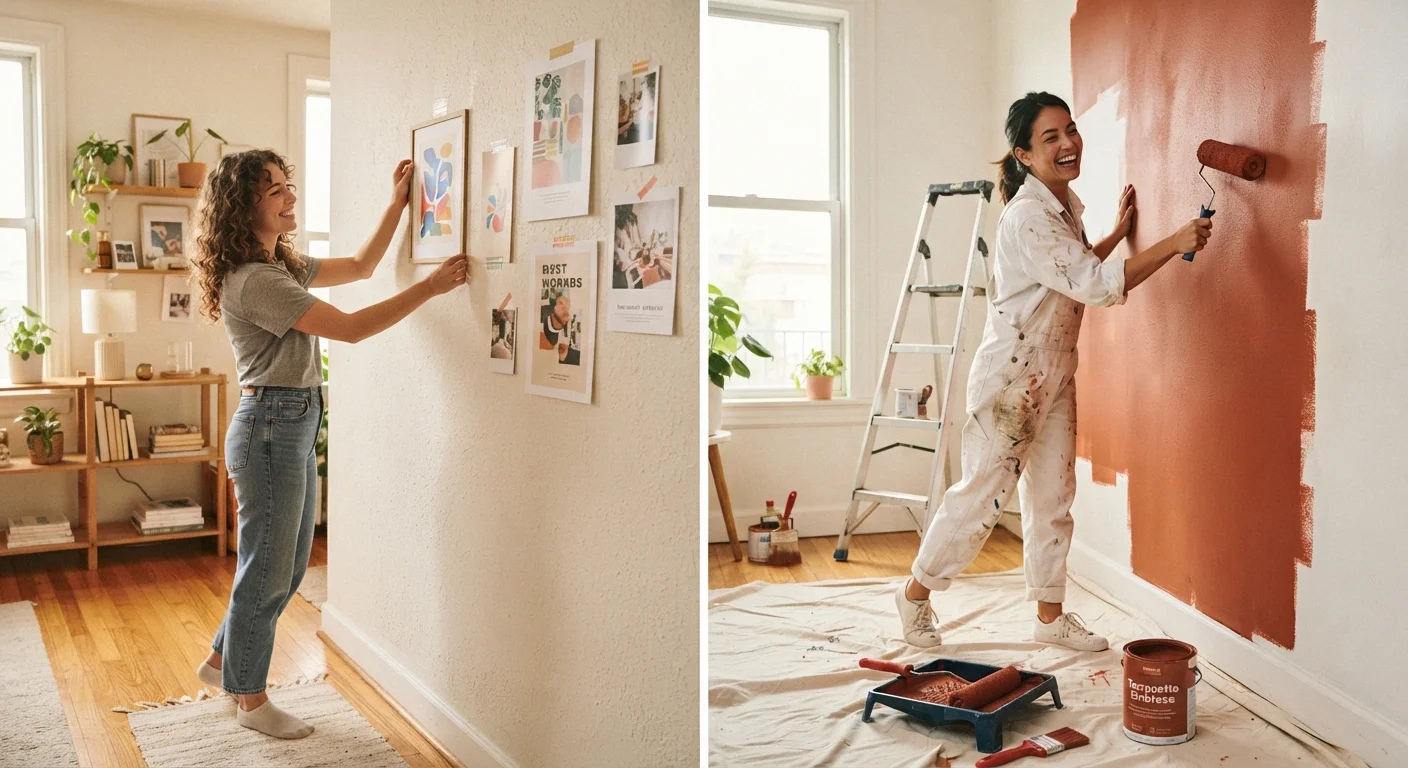
Photo: InsightsTurbo.com | Kickstart Your Knowledge Quest editorial
Key Takeaways
- Renters must review their lease before making any change - even small ones like painting.
- Many renter-friendly upgrades are reversible and leave no permanent mark on the unit.
- Homeowners have far more freedom but still need permits for structural, electrical, and plumbing work.
- Getting written landlord approval protects renters if disputes arise at move-out.
- Some improvements done as a renter add value only to the landlord, not the tenant.
How Leases Define Your Renovation Rights
Your lease is the starting document for every decision you make about your rental unit. Most standard leases include an alterations clause - a section that outlines what changes, if any, you're allowed to make without prior written consent. Alterations are typically defined broadly, covering anything from hanging shelves with wall anchors to replacing cabinet hardware.
Before making any change, read your lease carefully and look for language around:
- Alterations and modifications - what's allowed without approval
- Restoration requirements - whether you must return the unit to its original condition
- Abandonment of improvements - who owns any fixtures or improvements you leave behind
If your lease is silent on something you want to do, don't assume silence means permission. Contact your landlord in writing, describe the change clearly, and get their response in writing. A text thread or email chain counts - the key is having documentation.
For ongoing responsibilities that fall to both renters and owners, see our renter and owner maintenance checklist for the tasks that protect your deposit and your property alike.
Improvements Renters Can Usually Make Safely
The safest upgrades for renters are reversible - meaning you can undo them completely before move-out without leaving a trace. These fall into a few reliable categories:
Truly Removable Upgrades
- Removable wallpaper and peel-and-stick tiles - designed to come off cleanly from smooth surfaces
- Command strips and adhesive hooks - hang art and mirrors without drilling
- Freestanding furniture and shelving - no installation required
- Tension rod curtains - install without brackets or wall damage
- Portable lighting - floor lamps, plug-in sconces, and battery-powered fixtures
Low-Risk Swaps (With Approval)
Some improvements involve detaching existing fixtures and swapping in something new. These are usually acceptable with landlord permission, provided you keep the originals and reinstall them before leaving:
- Showerheads
- Cabinet and drawer pulls
- Window treatments and rods (if new hardware is patched on exit)
Always Keep the Original Fixtures
Flooring is a more complex category. Floating floors - those that aren't glued or nailed down - are generally more renter-friendly than permanent installations. Our article on floating vs. glued-down floors explains exactly what the difference means for DIYers in rental situations.
What Renters Should Leave Alone
Certain types of work are off-limits for renters in nearly all circumstances - not just because your lease likely prohibits them, but because they carry real safety and legal risks.
Safety Work Is Always the Landlord's Responsibility
- Electrical work - rewiring outlets, replacing hardwired fixtures, or adding circuits requires a licensed electrician and typically a permit, even for homeowners
- Plumbing into walls or mains - moving pipes or installing new supply lines is structural and regulated
- Structural changes - removing walls, widening doorways, or altering load-bearing elements can compromise building safety and is always unpermitted work unless done by a professional
- Painting without approval - while it seems minor, unauthorized paint jobs are a leading cause of security deposit disputes
If you're in a shared living situation, decisions about the space affect your roommates too. Our guide on making a shared apartment feel like home covers how to personalize without creating conflict.
~50%
Renters who lose part of their security deposit
Studies from tenant advocacy groups suggest roughly half of renters experience some deposit deduction, with unauthorized alterations among the most common cited reasons.
35%+
US households that rent their primary residence
According to US Census Bureau data, more than a third of American households rent, making renter improvement rights a widely relevant topic.
How Ownership Changes the Rules
As a homeowner, you have the legal right to modify your property - but that right operates within a framework of building codes, permit requirements, and sometimes HOA restrictions. The key shift is that you bear full responsibility for the outcome: both the safety of the work and its impact on your home's future value and insurability.
What You Can Typically Do Without a Permit
- Painting interiors and exteriors
- Replacing flooring (non-structural)
- Installing new light fixtures (same wiring, no panel changes)
- Updating cabinet hardware and fixtures
- Landscaping and garden improvements
What Almost Always Requires a Permit
- Electrical panel upgrades or new circuits
- Plumbing changes to supply or drain lines
- Adding or removing walls (especially load-bearing)
- Building decks, additions, or ADUs (accessory dwelling units)
- HVAC system replacements in many jurisdictions
Skipping permits isn't just a technical violation - it can affect your homeowner's insurance coverage, complicate a future sale, and put buyers or inspectors in a difficult position. Our explainer on what new homeowners get wrong about permits walks through the most common mistakes first-time owners make.
“Unpermitted work doesn't just create code violations - it creates undisclosed material defects that sellers are legally obligated to reveal. The cost of doing it right the first time is almost always less than the cost of remediation later.”
— A licensed general contractor and construction educator, General Contractor and Construction Trades Instructor
Thinking Like an Investor vs. Thinking Like a Resident
One of the most practical mindset shifts when comparing renting and owning is understanding where your improvement investment goes. As a renter, every dollar you put into a permanent upgrade increases your landlord's property value - not yours. That's not a reason to avoid making your home comfortable, but it is a reason to prioritize portable improvements.
As an owner, improvements can add to your property's equity and appeal - but not all renovations return their cost at resale. High-impact, lower-cost improvements like fresh paint, updated fixtures, and landscaping typically offer better returns than over-built specialty rooms that only suit a narrow buyer pool.
Whether you're renting or owning, furnishing and organizing your space is a separate but related decision. Our Home Setup Basics hub covers the essentials for getting your first space functional and personal - without overspending.
The bottom line: your living situation sets the legal ceiling for what you can do, but smart, intentional choices within those limits can make any space feel genuinely yours.
Frequently Asked Questions
The content provided on our blog site traverses numerous categories, offering readers valuable and practical information. Readers can use the editorial team’s research and data to gain more insights into their topics of interest. However, they are requested not to treat the articles as conclusive. The website team cannot be held responsible for differences in data or inaccuracies found across other platforms. Please also note that the site might also miss out on various schemes and offers available that the readers may find more beneficial than the ones we cover.