
Making a Shared Apartment Feel Like Home Without Overstepping

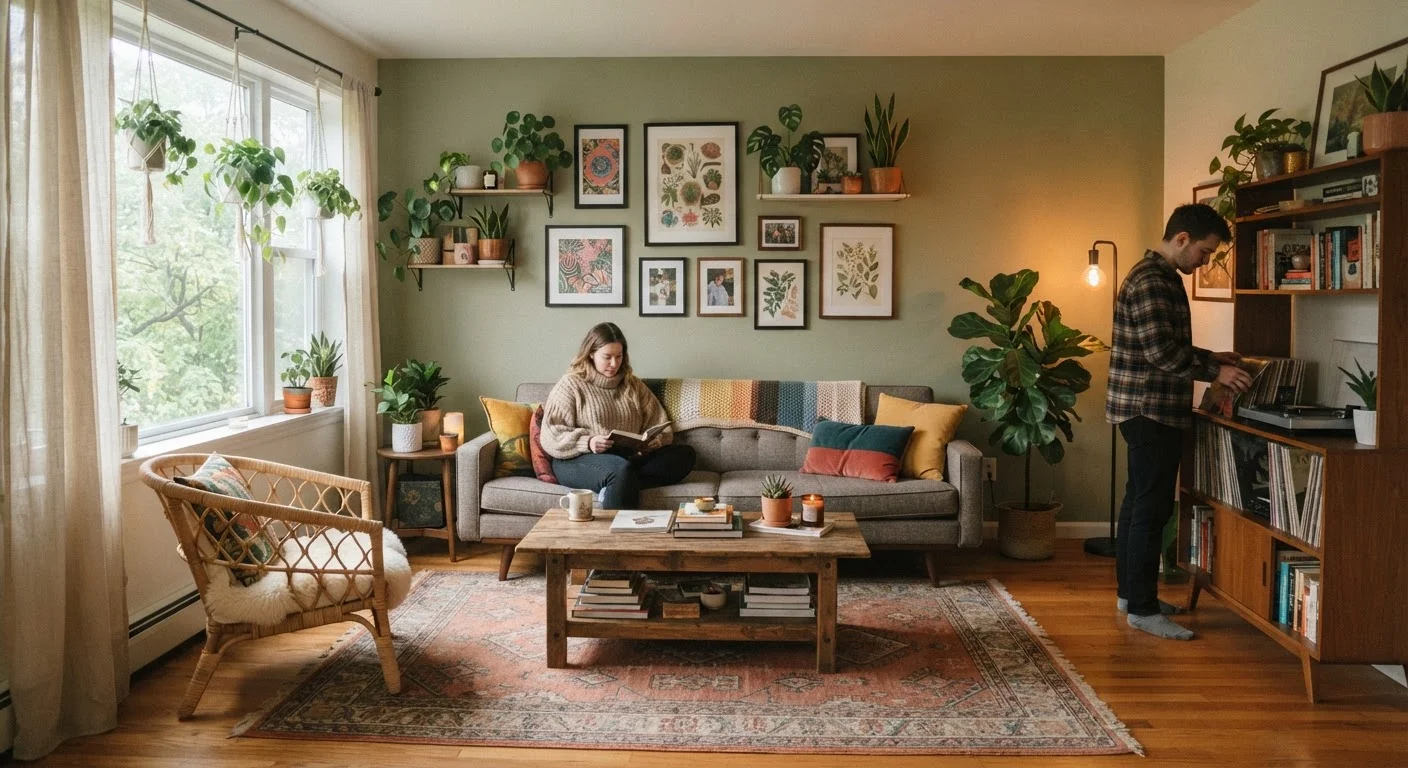
Photo: InsightsTurbo.com | Kickstart Your Knowledge Quest editorial
Key Takeaways
- Your private bedroom is your primary canvas - personalise it fully without needing anyone's approval.
- Early, honest conversations about shared spaces prevent resentment and confusion later on.
- Renter-friendly décor tools like removable hooks and peel-and-stick products let you add personality without risking your deposit.
- Respecting shared zones means contributing to them, not just tolerating them.
- Small, consistent habits around noise, cleanliness, and scheduling make shared living genuinely comfortable.
Start With What's Yours to Control
Moving into a shared apartment can feel like a compromise before you've even unpacked. But the first thing worth recognising is that your bedroom - whatever its size - belongs entirely to you. That's your real starting point.
Invest your energy there first. Choose bedding in colours that calm or energise you. Add a lamp that gives you the kind of light you actually want in the evenings. Hang things on the walls using removable adhesive strips, which won't damage paint and won't cost you your deposit. Even a small rug, a few books arranged intentionally, or a plant on the windowsill can shift a generic room into something that feels like yours.
If you're working with limited floor space, it's worth reading up on how layout and lighting choices can make a room feel bigger - the same principles that apply to studio apartments work just as well in a shared house bedroom.
Once your private space feels grounded, you'll be in a much better position to engage with the rest of the apartment calmly and constructively.
Have the Conversation Before Problems Arise
The single most effective thing you can do in a shared apartment has nothing to do with furniture - it's having an upfront conversation with your flatmates about expectations. This doesn't need to be formal or awkward. It just needs to happen early.
Cover the basics: quiet hours, kitchen cleaning standards, having guests over, shared groceries or separate shelves, and how you'll handle it when something bothers someone. Agreeing on these things in week one prevents the kind of low-level tension that builds silently over months.
When Flatmate Dynamics Get Complicated
It also helps to revisit the conversation every few months, especially if someone's schedule or situation changes. A quick, friendly check-in is far easier than a difficult confrontation.
Personalising Shared Spaces Without Claiming Them
Shared living areas - the kitchen, living room, bathroom - belong to everyone, which means you can contribute to them without taking them over. The distinction matters.
Propose shared-space additions as suggestions, not installations
Keep your belongings contained to your agreed zones
Communicate maintenance issues promptly and to the right person
Establish a simple, shared cleaning schedule
Respect noise boundaries, especially at night and in the morning
Contributing might look like adding a plant to the windowsill, suggesting a small organiser for the entryway, or proposing a simple system for the refrigerator. These are additions that make the space better for everyone, not declarations of personal taste that everyone else has to live around.
When it comes to lighting, renters have more flexibility than many realise. Plug-in floor lamps, clip-on reading lights, and LED strip lights don't require any wiring changes - see our guide on lighting a rented apartment without touching the wiring for practical ideas that work in shared spaces too.
Before making any change that affects a shared area - even painting a feature wall - check what your lease allows. Our article on which home improvements renters can legally make breaks down the key questions to ask.
Quick Habits That Make a Big Difference
Shared living works best when everyone contributes to a liveable baseline - not perfection, just a reasonable standard that nobody has to carry alone. The habits that matter most are often the smallest ones: wiping down the stovetop after cooking, not leaving dishes overnight, replacing the toilet paper roll, and giving a heads-up before having friends over.
If you're new to managing a shared household from scratch, the Home Setup From Scratch roadmap offers a useful starting point for thinking through what a functional living space actually needs - including the shared parts.
The goal isn't to be a perfect flatmate. It's to be a considerate one - someone whose presence makes the apartment easier to live in, not harder.
The content provided on our blog site traverses numerous categories, offering readers valuable and practical information. Readers can use the editorial team’s research and data to gain more insights into their topics of interest. However, they are requested not to treat the articles as conclusive. The website team cannot be held responsible for differences in data or inaccuracies found across other platforms. Please also note that the site might also miss out on various schemes and offers available that the readers may find more beneficial than the ones we cover.