
Early Socialisation: The Window That Shapes a Dog's Whole Life

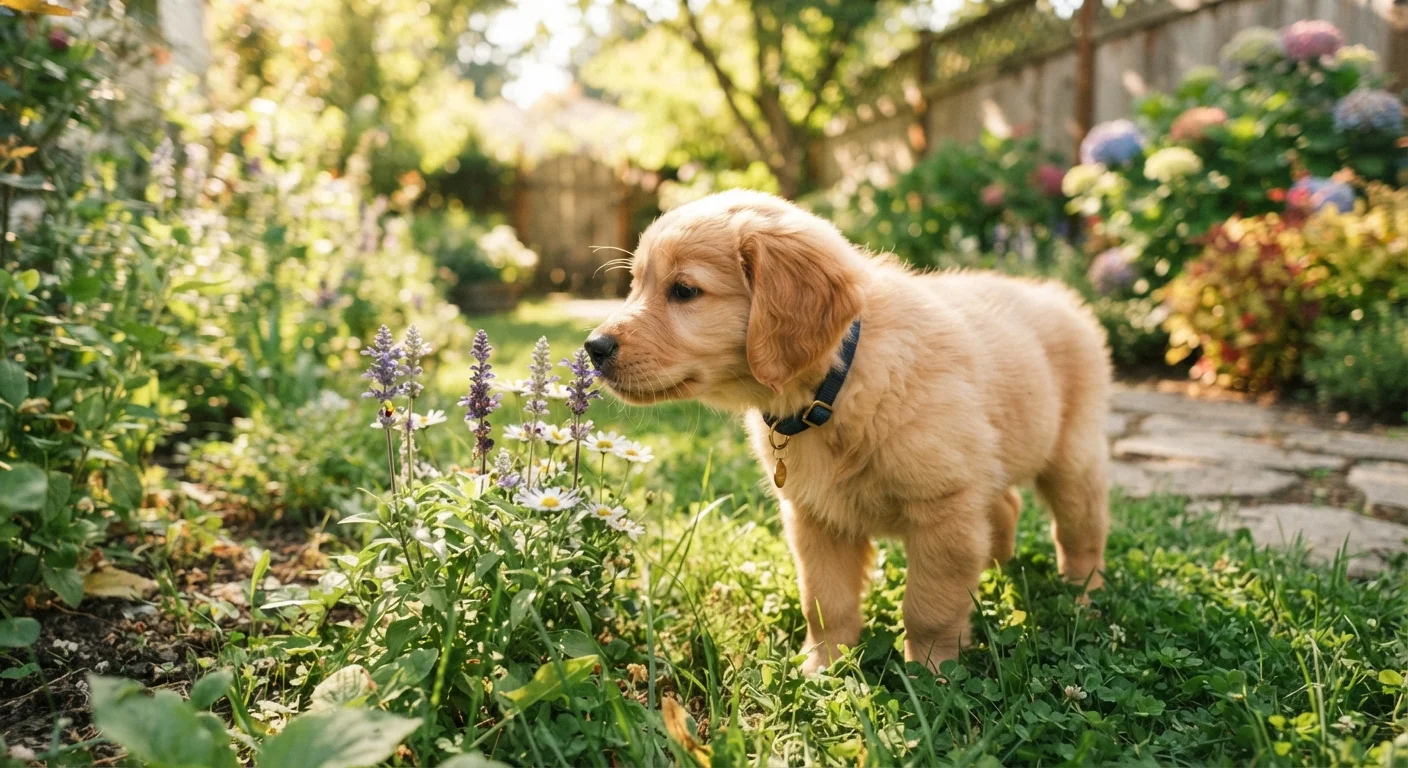
Photo: InsightsTurbo.com | Kickstart Your Knowledge Quest editorial
Key Takeaways
- The socialisation window runs from approximately 3 to 14 weeks — timing is everything.
- Positive early experiences reduce the risk of fear, aggression, and anxiety later in life.
- Puppies adopted at 8 weeks still have several weeks of the window left — use them wisely.
- Quality matters more than quantity: experiences should be calm and positive, not overwhelming.
- Adult dogs can still improve through gradual exposure, but it takes longer and more effort.
Why This Window Exists
Puppies aren't born fearful of the world — they're born neutral. During the earliest weeks of life, their brains are in a uniquely plastic state, actively forming associations between experiences and outcomes. Whatever a puppy encounters during the socialisation window gets filed as "normal." Whatever it never encounters risks becoming frightening later.
This isn't a training concept — it's neuroscience. The socialisation period reflects a phase of rapid brain development during which stress hormones are naturally suppressed, allowing young dogs to approach novelty with curiosity rather than fear. Once the window closes, that biological openness narrows considerably.
Understanding this helps explain why two dogs from the same litter can develop very different temperaments based purely on their early environments — and why the weeks right after you bring a puppy home are among the most important of their entire life. As the age at adoption shapes your experience in real ways, knowing where your puppy is in its developmental timeline matters from day one.
What Happens If the Window Is Missed
Dogs that receive little or no positive socialisation during the critical period are significantly more likely to develop fear-based behaviours: cowering at strangers, reacting aggressively to other dogs, becoming distressed by everyday noises like traffic or thunderstorms, or struggling to cope in public settings.
This doesn't mean they're "bad dogs" — it means their brains learned to treat the unfamiliar as a threat because they had no early evidence to the contrary. Fear is the predictable outcome of an under-socialised puppy, not a character flaw.
3–14 weeks
Primary socialisation window in puppies
Research pioneered by Scott and Fuller established this as the critical developmental period during which positive exposure has the greatest and most lasting impact on canine behaviour.
~8 weeks
Typical age puppies are homed
Most puppies are adopted around 8 weeks of age, meaning new owners still have several weeks of the socialisation window to work with — making those first few weeks at home especially valuable.
It's worth noting that skipping socialisation is one of the most consequential missteps a new owner can make — and one of the most common, often because new owners don't realise how short the window actually is.
How to Socialise a Puppy Well
Good socialisation isn't about maximising exposure — it's about making each experience calm and positive. Flooding a puppy with too much stimulation at once can backfire, creating fearful associations instead of neutral or positive ones.
What to expose your puppy to
- People: Adults, children, people wearing hats or uniforms, people using wheelchairs or crutches
- Animals: Vaccinated, calm dogs; cats if relevant to your household
- Sounds: Traffic, appliances, thunder recordings, crowds
- Surfaces: Grass, gravel, tile, metal grates, stairs
- Situations: Car rides, vet visits, grooming handling, being alone briefly
How to do it right
Let the puppy set the pace. If it approaches something willingly, reward it with calm praise or a treat. If it hesitates or retreats, don't force it — give it space and try again gradually. The goal is confidence, not compliance.
Keep experiences short and positive
A good puppy class led by a qualified trainer is one of the most efficient socialisation tools available. It combines structured dog-to-dog interaction with basic training and owner education in a controlled setting. For more on setting your puppy up well from the start, see our guide on bringing a dog home for the first time.
What About Dogs That Missed the Window?
If you've adopted an adult dog with gaps in their socialisation history — common in rescue dogs, dogs raised in isolation, or dogs from under-resourced breeding environments — the window has closed, but the story isn't over.
Adult dogs can learn to tolerate and even enjoy previously frightening things through a process called counter-conditioning and desensitisation: gradually pairing scary stimuli with positive experiences at an intensity the dog can handle without panicking. Progress is slower and may have a ceiling depending on the individual dog, but meaningful improvement is possible.
Working with a certified professional dog trainer or veterinary behaviourist is the most reliable path forward for dogs showing significant fear or reactivity. Understanding what canine behaviour research actually supports can also help owners avoid approaches that inadvertently make fear worse. Many owners of previously under-socialised dogs also find useful perspective in the honest lessons experienced owners consistently share.
Frequently Asked Questions
The content provided on our blog site traverses numerous categories, offering readers valuable and practical information. Readers can use the editorial team’s research and data to gain more insights into their topics of interest. However, they are requested not to treat the articles as conclusive. The website team cannot be held responsible for differences in data or inaccuracies found across other platforms. Please also note that the site might also miss out on various schemes and offers available that the readers may find more beneficial than the ones we cover.