
Bringing a Dog Home for the First Time

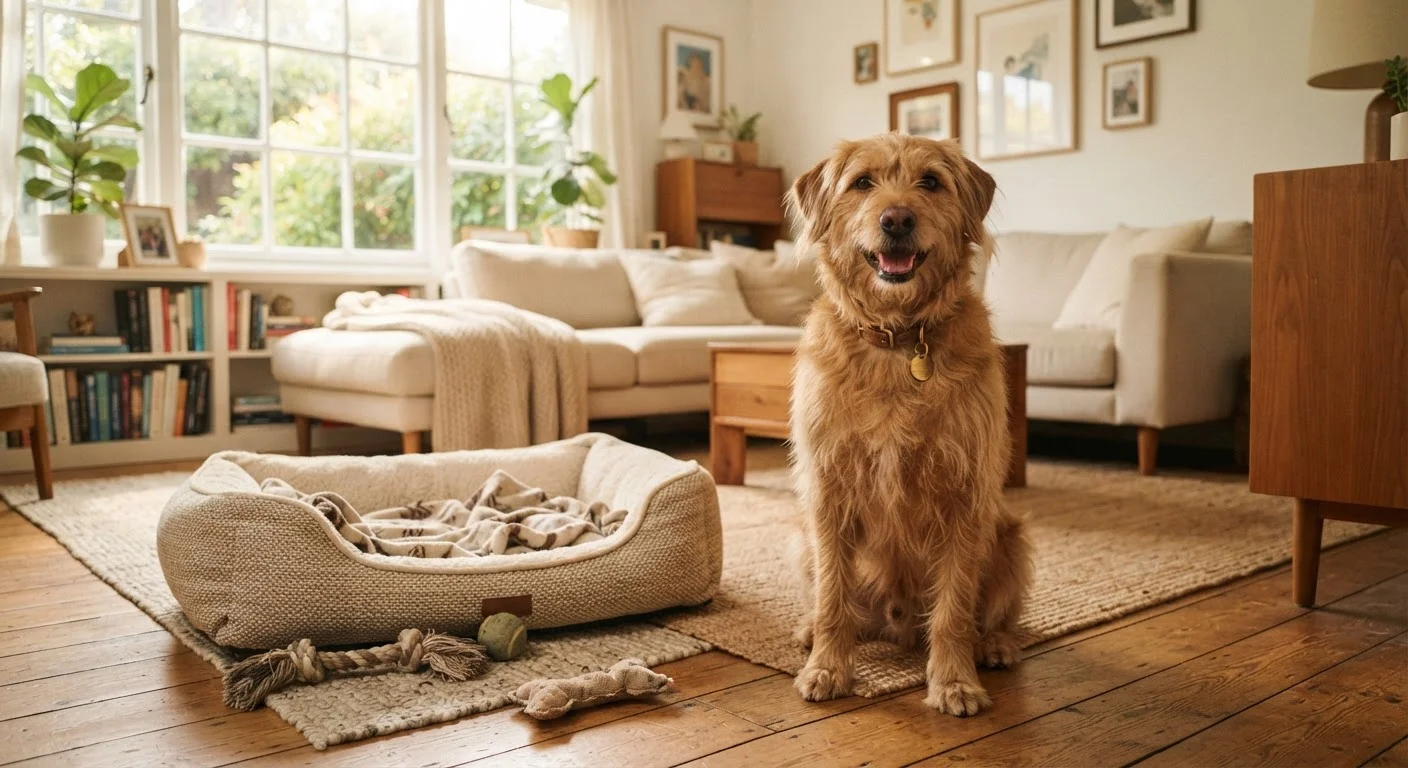
Photo: InsightsTurbo.com | Kickstart Your Knowledge Quest editorial
Key Takeaways
- Prepare your home — supplies, safe space, and hazard-proofing — before your dog arrives.
- The first 24 hours are about calm introductions, not training or excitement.
- Consistent daily routines around feeding, walks, and sleep reduce anxiety for both dog and owner.
- Schedule a vet visit within the first week to establish baseline health records.
- Early socialisation and gentle exposure shape behaviour for years to come.
What to Have Ready Before Your Dog Arrives
The single best thing you can do for a new dog is prepare before they walk through the door. Last-minute scrambles create stress — for you and for them.
Decompression period
The adjustment window — typically two to four weeks — during which a newly rehomed dog processes the change in environment before showing their true temperament.
Crate training
A method of teaching a dog to see a crate as a safe, comfortable space. It supports house training and gives the dog a predictable retreat.
Enzymatic cleaner
A cleaning product that uses enzymes to break down the organic compounds in pet urine or feces, eliminating odour rather than just masking it.
Socialisation
The process of exposing a young dog to a variety of people, animals, sounds, and environments in a positive way, helping them develop into a confident, well-adjusted adult.
Core vaccines
Vaccinations recommended for all dogs regardless of lifestyle — typically covering distemper, parvovirus, adenovirus, and rabies — as opposed to lifestyle-specific optional vaccines.
Here's what to have in place:
- Sleeping area: A crate, bed, or designated corner that is quiet and away from heavy foot traffic. Dogs decompress faster with a defined safe space.
- Food and water bowls: Sturdy, easy-to-clean, and appropriately sized for your dog's breed. For feeding choices, see our guide to dry vs. wet food.
- Collar, ID tag, and leash: Your dog should be identifiable from the moment they arrive. Check the collar fits — you should be able to slip two fingers underneath.
- Enzymatic cleaner: Accidents will happen. This type of cleaner breaks down odour at the source, reducing the chance your dog returns to the same spot.
- Hazard-proofing: Secure electrical cords, remove toxic plants (common ones include pothos, sago palm, and certain lilies), and latch low cabinets containing cleaning products.
If you share your space with others, agree on ground rules — which furniture is off-limits, where the dog sleeps, who handles feeding — before the dog arrives. Inconsistency in the first weeks is one of the most common setup mistakes new owners make.
The First 24 Hours: What to Expect
Resist the urge to immediately introduce your new dog to every friend and family member. The first day should be quiet, low-key, and focused on letting your dog orient themselves.
When you arrive home, bring your dog directly to the outdoor area where you want them to go to the bathroom. Wait patiently and reward any elimination with calm praise. Then let them explore one room at a time rather than the whole home at once.
Let Your Dog Set the Pace
Dogs communicate constantly through body language. A tucked tail, flattened ears, or frequent yawning are stress signals — not defiance. Learning to read these cues early helps you respond appropriately. Our guide to dog body language explains the key signals in detail.
Don't be alarmed if your dog doesn't eat much, sleeps a lot, or hides in the first day or two. This is normal decompression behaviour. Forcing interaction slows the process. Offer food at regular times, keep the environment calm, and let your dog set the pace for social contact.
Building a Routine From Day One
Dogs thrive on predictability. A consistent daily schedule reduces anxiety, accelerates house training, and gives your dog clear expectations about how life works in your home.
A basic daily structure might look like this:
- Morning: Outside to eliminate, then breakfast. Same time each day where possible.
- Midday: A walk or backyard time; puppies and high-energy breeds will need more frequent breaks.
- Evening: Dinner at a consistent time, followed by a walk. Wind down with calm time before bed.
- Overnight: A last toilet trip just before you sleep reduces the chance of nighttime accidents.
Feeding portions matter too. Overfeeding is a common and underappreciated problem — our article on maintaining a healthy weight explains how vets assess body condition and why it matters long-term.
Start basic training immediately — even simple commands like "sit" and "stay" reinforce your role and give your dog mental engagement. Keep sessions short (five to ten minutes) and always end on a positive note.
Health Basics Every New Owner Should Know
Schedule a veterinary appointment within the first week. Even if your dog came with health records, a baseline exam with your own vet establishes a relationship and catches anything that may have been missed. Bring any documentation you received — vaccination history, deworming records, microchip details.
Your vet will typically discuss:
- Vaccination schedule: Core vaccines protect against diseases like distemper and parvovirus. Your vet will advise on timing based on your dog's age and history.
- Parasite prevention: Fleas, ticks, heartworm, and intestinal parasites are common and largely preventable. Your vet will recommend a protocol appropriate for your region.
- Spay or neuter timing: If your dog hasn't been altered, your vet can advise on the right timing for their age and breed.
Knowing when something needs urgent attention versus routine monitoring is a skill worth developing early. Our reference on when to call the vet breaks down the key symptoms to watch for.
This article provides general information about dog care and is not a substitute for professional veterinary advice. Always consult a licensed veterinarian for guidance specific to your dog's health.
Common First-Week Mistakes to Sidestep
The early weeks set habits that are genuinely hard to undo later. A few patterns are worth avoiding from the start:
Don't Skip These Early Habits
- Skipping socialisation: The window for shaping how a dog responds to the world is narrow. Early socialisation — calm, positive exposure to new people, animals, and environments — pays dividends for your dog's entire life.
- Inconsistent rules: Allowing behaviour one day and correcting it the next confuses your dog. Decide on household rules before arrival and stick to them.
- Too much too soon: Overwhelming a new dog with visitors, outings, or training sessions in the first few days can deepen anxiety rather than build confidence.
- Neglecting alone-time training: If your dog never learns to be comfortable on their own, separation anxiety can develop. Start with very short periods of separation and gradually build up.
For a fuller look at the patterns that trip up new owners past the first week, see our article on first-year pitfalls. And for the honest lessons most people only learn after the fact, things first-time owners wish they'd known earlier is worth reading before your dog even arrives.
Frequently Asked Questions
The content provided on our blog site traverses numerous categories, offering readers valuable and practical information. Readers can use the editorial team’s research and data to gain more insights into their topics of interest. However, they are requested not to treat the articles as conclusive. The website team cannot be held responsible for differences in data or inaccuracies found across other platforms. Please also note that the site might also miss out on various schemes and offers available that the readers may find more beneficial than the ones we cover.