
The Hidden Costs of Owning a Small Pet

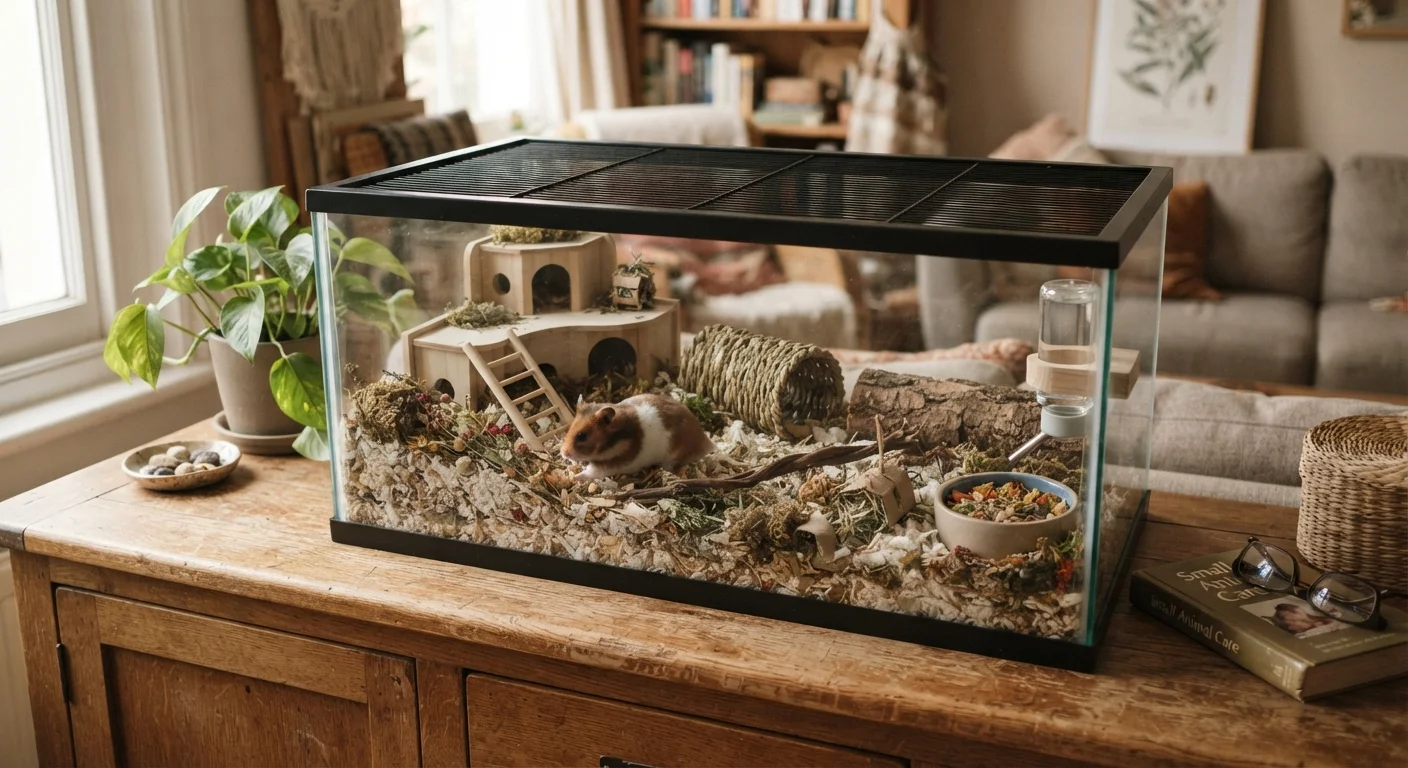
Photo: InsightsTurbo.com | Kickstart Your Knowledge Quest editorial
Key Takeaways
- The purchase price of a small pet is typically the smallest cost you'll face.
- Veterinary care for small animals can be expensive and is often harder to find than for cats or dogs.
- Ongoing costs like bedding, food, and enrichment add up to hundreds of dollars per year.
- Many small pets live longer than buyers expect, extending the financial commitment significantly.
- Planning for unexpected illness or injury costs before you adopt can prevent financial stress later.
Lower total cost than dogs or cats
Even when all recurring expenses are included, small pets generally cost less annually than dogs or cats, which require more food, larger vet budgets, and more expensive medications.
Compact space requirements suit apartment living
A well-designed enclosure fits comfortably in most apartments or shared housing, making small pets accessible to renters who can't keep larger animals.
Shorter daily time commitment
Most small animals don't require walks or extended interactive sessions, making them compatible with busy weekday schedules when managed with proper enrichment.
Setup costs are relatively predictable
Unlike dog or cat ownership where surprise expenses are frequent, most small pet costs outside of vet care follow a steady, budgetable monthly pattern.
Exotic vet care is costly and hard to find
Most small animals are classified as exotic pets, requiring specialist veterinarians whose fees often exceed standard small-animal rates and whose availability varies widely by region.
Bedding and substrate costs accumulate quickly
Quality bedding is essential for health and odor control, but the monthly expense is frequently overlooked in pre-adoption planning — adding up to $240–$480 per year.
Lifespans are longer than many buyers expect
Guinea pigs can live 5–7 years, rabbits 8–12 years, and some birds decades — meaning what felt like a short commitment carries a much longer financial and care obligation.
Pet insurance options are limited and inconsistent
Exotic pet insurance exists but is less standardized than dog or cat coverage, and many plans exclude common conditions or have high deductibles relative to total claim value.
Enrichment and mental stimulation require ongoing investment
Toys, tunnels, chews, and foraging materials need regular replacement to keep animals engaged — a cost that's easy to skip but important for behavioral and psychological health.
Why Small Pets Feel Affordable at First
A hamster from a pet store might cost $15–$30. A pair of gerbils, a guinea pig, or a young rabbit often falls in a similar or slightly higher range. Compared to a purebred dog or kitten adoption fee, these numbers feel refreshingly manageable — and that's exactly where the financial miscalculation often begins.
The animal itself is almost always the cheapest part of the transaction. What follows — the enclosure, substrate, food, accessories, and eventual vet visits — shapes what small pet ownership actually costs. Most first-time small pet owners report that they significantly underestimated total expenses in the first year, particularly around habitat setup and medical care.
Understanding this gap between perceived and actual cost isn't meant to discourage ownership. It's meant to help you plan honestly so the experience doesn't become stressful.
The Real Breakdown: Where the Money Goes
Costs generally fall into three buckets: one-time setup, recurring monthly expenses, and unpredictable veterinary costs.
$500–$800
Estimated first-year cost for a guinea pig
This range accounts for enclosure setup, bedding, food, and at least one veterinary visit, based on commonly reported owner expenses across small pet communities.
8–12 years
Typical lifespan of a pet rabbit
Many first-time buyers expect rabbits to live 3–4 years; the actual lifespan significantly extends the financial and care commitment involved.
$60–$120
Average exotic vet wellness exam fee
Routine checkups for small exotic animals typically cost more than equivalent visits for cats or dogs due to specialist training requirements.
One-Time Setup Costs
A properly sized enclosure for even a single guinea pig can run $80–$200 or more, and experts consistently recommend larger than the minimum marketed sizes. Add bedding substrate for the initial fill, a water bottle, food dish, hideout, and basic enrichment toys, and your startup spend before the animal even arrives can exceed $150–$300. Our pre-arrival checklist covers what to budget for each category.
Recurring Monthly Expenses
Bedding is the sleeper cost most people underestimate. Small animals like rabbits, guinea pigs, and hamsters need regular full cage cleans, and quality paper-based bedding for a medium enclosure can cost $20–$40 per month. Fresh food, pellets, and hay (critical for rabbits and guinea pigs) add another $15–$30. These figures are modest individually but consistent — meaning over a year, you're looking at $400–$800 in routine supply costs alone.
Veterinary Care
This is the area that catches most new owners off guard. Small exotic animals — which legally includes rabbits, guinea pigs, hamsters, and birds — require a vet who specializes in exotic or small animal medicine. These visits typically cost more than a standard cat or dog appointment, and in many areas, finding a qualified exotic vet requires travel. A routine wellness exam can run $60–$120, and treatment for common conditions like respiratory infections, dental problems, or GI issues can quickly reach several hundred dollars.
Pet Insurance for Small Animals
Pros and Cons of the Full Cost Picture
Even with all costs factored in, small pets offer real advantages over larger animals — but the comparison only holds when you're working from accurate numbers.
Lower total cost than dogs or cats
Even when all recurring expenses are included, small pets generally cost less annually than dogs or cats, which require more food, larger vet budgets, and more expensive medications.
Compact space requirements suit apartment living
A well-designed enclosure fits comfortably in most apartments or shared housing, making small pets accessible to renters who can't keep larger animals.
Shorter daily time commitment
Most small animals don't require walks or extended interactive sessions, making them compatible with busy weekday schedules when managed with proper enrichment.
Setup costs are relatively predictable
Unlike dog or cat ownership where surprise expenses are frequent, most small pet costs outside of vet care follow a steady, budgetable monthly pattern.
Exotic vet care is costly and hard to find
Most small animals are classified as exotic pets, requiring specialist veterinarians whose fees often exceed standard small-animal rates and whose availability varies widely by region.
Bedding and substrate costs accumulate quickly
Quality bedding is essential for health and odor control, but the monthly expense is frequently overlooked in pre-adoption planning — adding up to $240–$480 per year.
Lifespans are longer than many buyers expect
Guinea pigs can live 5–7 years, rabbits 8–12 years, and some birds decades — meaning what felt like a short commitment carries a much longer financial and care obligation.
Pet insurance options are limited and inconsistent
Exotic pet insurance exists but is less standardized than dog or cat coverage, and many plans exclude common conditions or have high deductibles relative to total claim value.
Enrichment and mental stimulation require ongoing investment
Toys, tunnels, chews, and foraging materials need regular replacement to keep animals engaged — a cost that's easy to skip but important for behavioral and psychological health.
For a fuller picture of what daily care actually involves beyond cost, this breakdown of what 'low-maintenance' really means is worth reading before you decide.
Planning Ahead So Costs Don't Catch You Off Guard
The most effective thing you can do before adopting a small pet is build a simple budget that separates setup, monthly recurring, and emergency costs. A reasonable emergency fund for a small pet is generally $300–$500 — enough to cover an unexpected vet visit without panic.
It also helps to research exotic vets in your area before you adopt, not after. Knowing one exists nearby — and what their standard fees look like — removes a significant stressor if your pet gets sick quickly. Rabbit owners in particular often discover too late that rabbits require GI-specialist care that isn't available at every general practice.
Small pets can be wonderfully fulfilling companions. The goal of understanding their costs isn't to discourage you — it's to make sure the relationship starts on solid ground, for both of you.
This article is for general informational purposes only. Costs referenced are approximate and will vary by region, species, and individual animal needs. Always consult a qualified exotic animal veterinarian for guidance specific to your pet's health.
The content provided on our blog site traverses numerous categories, offering readers valuable and practical information. Readers can use the editorial team’s research and data to gain more insights into their topics of interest. However, they are requested not to treat the articles as conclusive. The website team cannot be held responsible for differences in data or inaccuracies found across other platforms. Please also note that the site might also miss out on various schemes and offers available that the readers may find more beneficial than the ones we cover.