
What 'Low-Maintenance' Actually Means for Small Pets

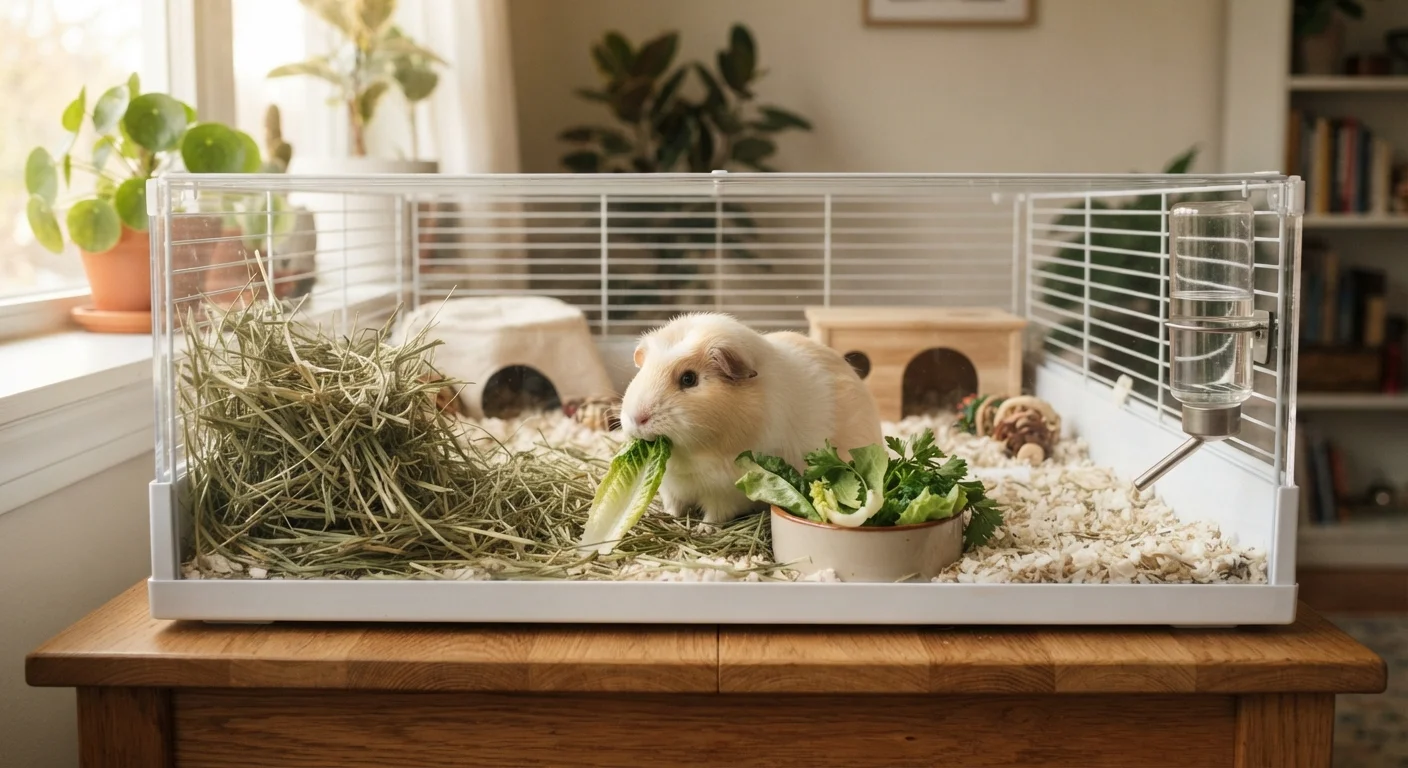
Photo: InsightsTurbo.com | Kickstart Your Knowledge Quest editorial
Key Takeaways
- No small pet is truly zero-effort — daily feeding, habitat maintenance, and observation are always required.
- "Low-maintenance" means less demanding than a dog, not effortless or hands-free.
- Many small pets marketed as easy starters have specialized social, dietary, or space needs.
- Exotic and small animal vets can be harder to find and more expensive than general practice vets.
- A hamster's crepuscular schedule or a rabbit's free-roaming needs may not match every household's routine.
- The better question isn't "is this pet easy?" but "does this pet's care profile fit my lifestyle?"
"Low-Maintenance" Is a Relative Label
The phrase "low-maintenance pet" appears constantly in casual advice and pet marketing. It usually means one thing: this animal requires less hands-on time than a dog. That's technically accurate for most small pets — you're not walking a hamster twice a day or scheduling obedience classes for a fish. But "less than a dog" still covers a wide range of actual work, and many first-time owners discover that gap after bringing an animal home.
Small pets like guinea pigs, rabbits, hamsters, gerbils, and fish all need consistent daily care. They can't signal distress the way dogs or cats can, which means owners need to be proactive — not reactive — about monitoring health and environment. The "low-maintenance" label describes intensity, not effort. For a direct look at how different species compare, Small Pet Lifespans, Temperaments, and Care Demands at a Glance lays out the key differences in one reference.
What Daily Care Actually Involves
Every small pet has a non-negotiable daily checklist, regardless of how easy the species is described as being:
- Feeding: Fresh food and water must be provided every day. Guinea pigs require fresh vegetables and unlimited hay. Fish need correctly portioned feedings — overfeeding is a leading cause of poor water quality and preventable health problems.
- Habitat maintenance: Spot cleaning soiled bedding, refreshing water, and removing uneaten perishable food are daily tasks. A neglected habitat affects both physical health and behavior.
- Observation: Noting changes in appetite, movement, posture, or droppings is how owners catch illness early. Small animals are known to mask signs of illness until they are quite unwell — consistent daily attention is a critical detection tool.
For many small pets, this amounts to roughly 20–30 minutes of active care each day. The specific time matters less than the consistency — gaps in habitat upkeep or observation allow problems to develop unnoticed.
The Needs That Tend to Surprise New Owners
Beyond the basics, several aspects of small pet care are routinely underestimated before ownership begins.
Veterinary access
Not all veterinarians treat small animals. Exotic or small animal vets — who see rabbits, guinea pigs, hamsters, and similar species — can be harder to find in certain areas and may charge higher consultation fees than general practice vets. Locating a qualified vet before acquiring a pet is an important step that's often skipped.
Social requirements
Guinea pigs are social animals that generally fare better with at least one companion of the same species. Rabbits also commonly benefit from companionship, though introductions require careful management. These aren't optional add-ons — they are part of the animal's core welfare needs.
Activity and space needs
Hamsters are crepuscular (most active around dawn and dusk) and need substantial space to run and forage. Undersized setups are a documented source of stress. Rabbits need several hours of daily supervised free-roaming time outside their enclosure — confinement alone doesn't meet their activity requirements. Common misconceptions about small pets frequently shape purchasing decisions in ways that affect long-term welfare.
A Better Question to Ask Before You Commit
Instead of asking "is this pet low-maintenance?", a more useful question is: "Does this pet's daily care fit my schedule, space, and level of engagement?" A fish tank may require minimal physical interaction, but it still needs consistent water testing, partial water changes, and equipment checks. A hamster may not need walks, but one kept in a cramped enclosure or disturbed during sleep hours can become stressed and difficult to handle.
Comparing specific small pets side by side can help match a species' actual care demands to your lifestyle. Before committing, understanding the full cost picture — including vet visits, habitat setup, and ongoing supplies — is an equally important part of the decision. If you've already taken the leap, lessons from first-time small pet owners can help you avoid the most common early mistakes.
Find an Exotic Vet Before You Bring a Pet Home
Frequently Asked Questions
The content provided on our blog site traverses numerous categories, offering readers valuable and practical information. Readers can use the editorial team’s research and data to gain more insights into their topics of interest. However, they are requested not to treat the articles as conclusive. The website team cannot be held responsible for differences in data or inaccuracies found across other platforms. Please also note that the site might also miss out on various schemes and offers available that the readers may find more beneficial than the ones we cover.