
Small Pet Lifespans, Temperaments, and Care Demands at a Glance

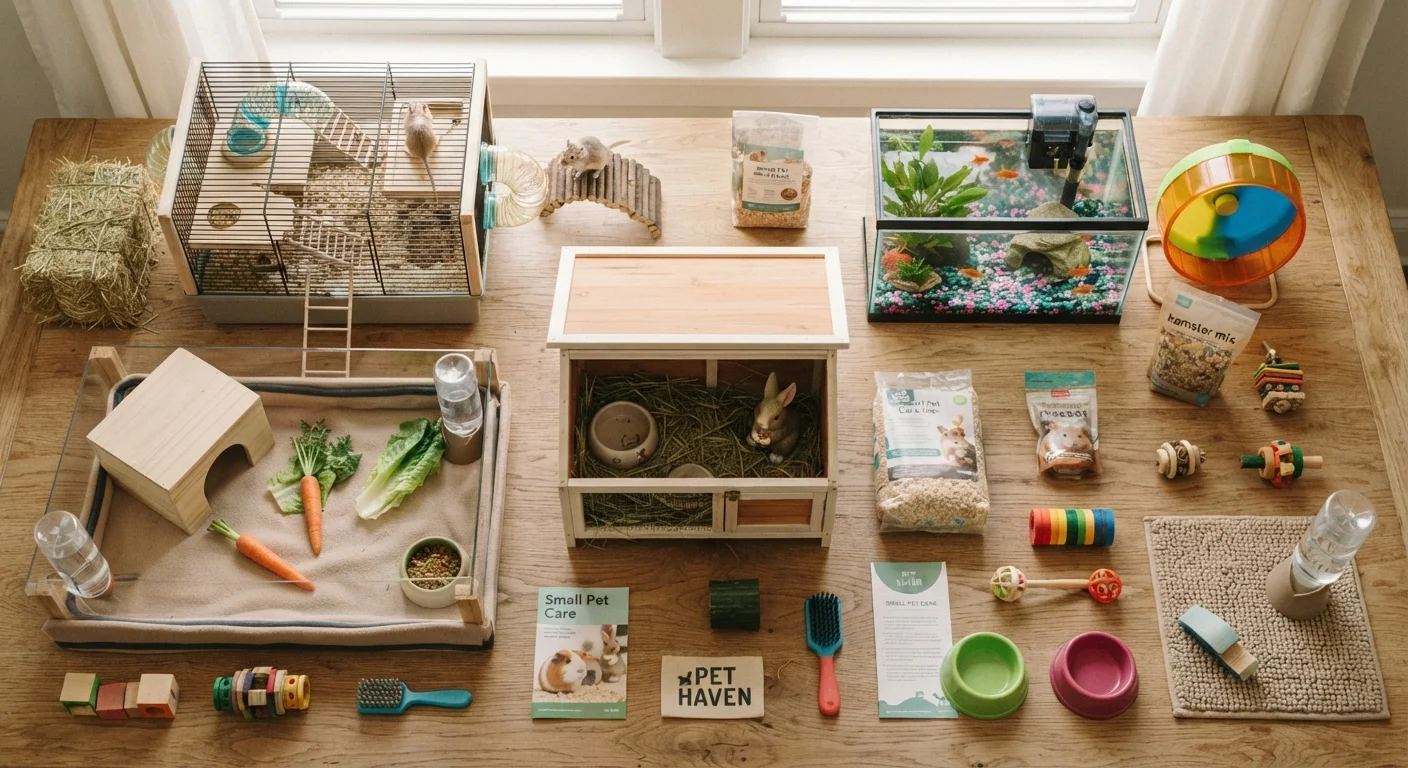
Photo: InsightsTurbo.com | Kickstart Your Knowledge Quest editorial
Why This Reference Exists
Small pets are often marketed as easy starter animals, but the reality is more nuanced. A hamster and a rabbit may both fit in an apartment, yet they have dramatically different lifespans, social structures, and veterinary needs. This reference gives you honest, side-by-side context on five of the most common small pets: rabbits, hamsters, guinea pigs, gerbils, and fish.
Before diving in, it helps to understand that no small pet is truly zero-effort. If you want a fuller picture of daily care realities, see what 'low-maintenance' actually means for small pets. And if you're still deciding which animal suits your schedule and space, our small pet comparison guide walks through the decision in more depth.
Species Profiles at a Glance
Rabbits
Lifespan: 8–12 years. Rabbits are a long-term commitment, often outlasting a college experience. They are social, intelligent animals that thrive with daily interaction and ideally a bonded companion rabbit. They require a spacious enclosure, hay-based diet (roughly 80% timothy or orchard grass hay), and regular exercise outside the cage. Importantly, rabbits need exotic-animal veterinary care — not all general-practice vets treat them. Rabbit ownership carries genuine rewards, but also real demands.
Guinea Pigs
Lifespan: 4–8 years. Guinea pigs are vocal, social, and strongly prefer living in same-sex pairs or small groups. They cannot synthesize their own vitamin C, so fresh vegetables (especially bell pepper and leafy greens) must supplement a hay-based diet daily. They are generally gentle and handleable, making them well-suited to patient first-time owners. Like rabbits, they require an exotic-animal vet. See how they compare head-to-head in our guinea pig vs. rabbit guide.
Hamsters
Lifespan: 2–3 years. Hamsters are largely solitary (especially Syrian hamsters) and primarily nocturnal, meaning their peak activity happens in the evening and overnight. They need large enclosures with deep substrate for burrowing — a minimum of 450 square inches of unbroken floor space is widely recommended by welfare organizations. Diet includes a quality seed-and-pellet mix supplemented with small amounts of fresh vegetables. Hamster care involves more nuance than their reputation suggests; common small pet myths address several hamster-specific misconceptions. Syrian and dwarf types also differ significantly — see the Syrian vs. dwarf hamster breakdown for details.
Gerbils
Lifespan: 3–5 years. Gerbils are naturally curious and highly social — they should be kept in same-sex pairs minimum. They are diurnal with short, sporadic activity bursts, making them more visible during daylight hours than hamsters. Their diet is similar to hamsters: a commercial gerbil mix with fresh vegetable supplements. They are quick, agile, and less suited to handling by very young children, but can bond well with patient owners.
Fish (Freshwater)
Lifespan: Varies widely — common goldfish can live 10–15 years under proper conditions; bettas typically 2–5 years. Fish are observational pets rather than interactive ones. They require a cycled aquarium (understanding the nitrogen cycle is essential), appropriate water temperature, regular partial water changes, and species-appropriate tank mates. Veterinary care exists for fish but is specialized and rarely accessed for common freshwater species. Setup costs can be higher than expected.
Nitrogen cycle
The biological process in an aquarium where beneficial bacteria break down fish waste (ammonia) into less harmful compounds (nitrite, then nitrate). A tank must be fully cycled before fish are introduced to avoid toxic ammonia spikes.
Exotic-animal vet
A veterinarian with training and experience treating non-traditional companion animals such as rabbits, guinea pigs, and reptiles. Not all general-practice vets are equipped to treat these species.
Substrate
The bedding or flooring material placed inside a small animal's enclosure. Appropriate substrate supports natural behaviors like burrowing and helps control odor and moisture.
Diurnal
Active primarily during daylight hours. Gerbils are diurnal, meaning they're more likely to be visible and active when the lights are on — unlike hamsters, which are nocturnal.
Bonded pair
Two animals of the same species that have been gradually introduced and accepted each other as companions. Guinea pigs, gerbils, and rabbits generally benefit from living with a bonded partner.
Before You Commit: Key Considerations
Understanding a species' profile is just the first step. Before bringing any small animal home, make sure you've thought through enclosure space, ongoing food and bedding costs, and access to a vet who treats that species. Our pre-arrival checklist covers the supplies and safety-proofing you'll need room by room.
Exotic Vet Access Matters Before You Choose
If you already have cats or dogs at home, factor in the stress that predator scents can cause small prey animals — this affects placement of enclosures and requires careful household management. For context on how small pets compare to larger companion animals, the cat owner guide and dog care basics hub outline the broader commitments those pets involve.
The content provided on our blog site traverses numerous categories, offering readers valuable and practical information. Readers can use the editorial team’s research and data to gain more insights into their topics of interest. However, they are requested not to treat the articles as conclusive. The website team cannot be held responsible for differences in data or inaccuracies found across other platforms. Please also note that the site might also miss out on various schemes and offers available that the readers may find more beneficial than the ones we cover.