
Latin America's Major Cities: A Destination-by-Destination Character Guide

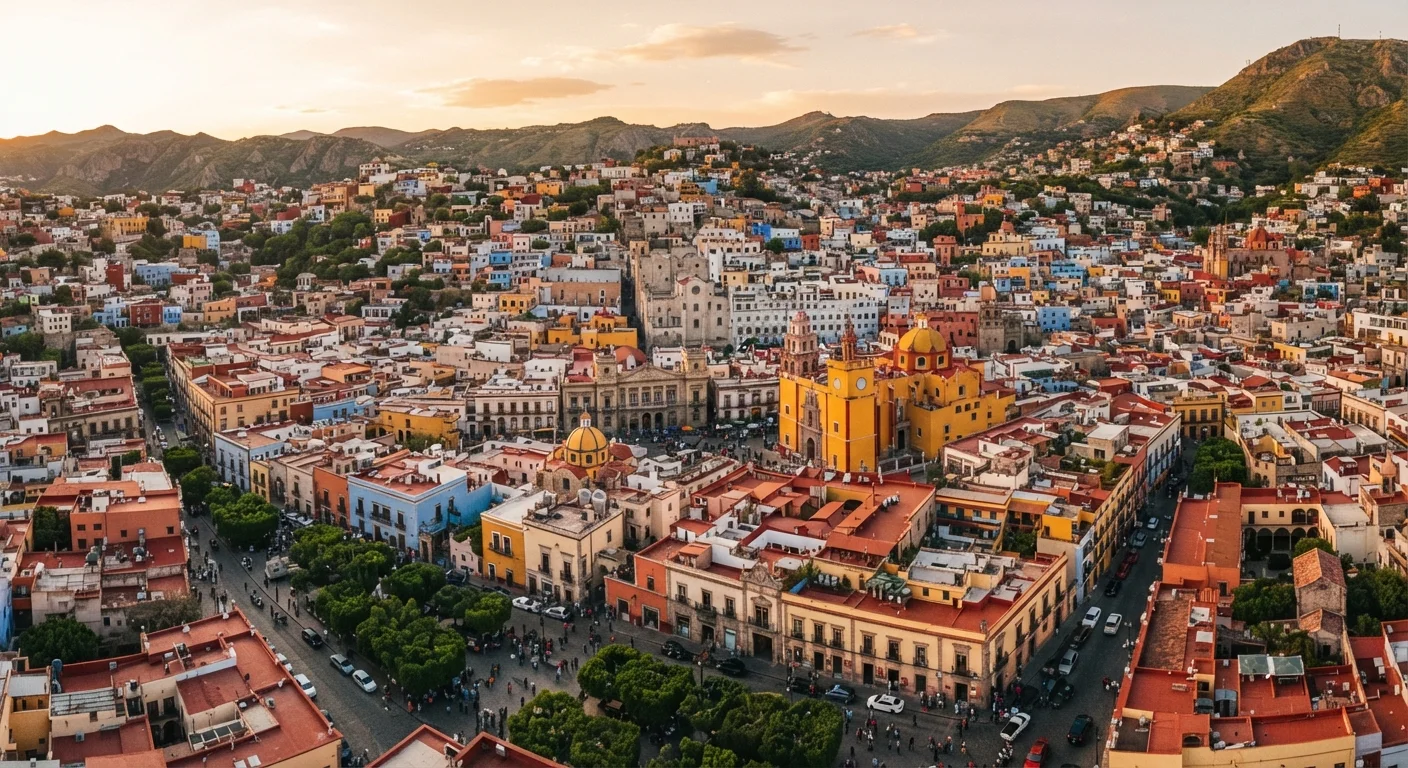
Photo: InsightsTurbo.com | Kickstart Your Knowledge Quest editorial
How to Use This Guide
Latin America spans an enormous range of cultures, climates, and city personalities. Whether you're drawn to Argentina's tango-infused neighborhoods or the ancient ruins sitting alongside modern Mexico City neighborhoods, pinning down which city suits you first is the smartest move you can make before booking anything.
This guide breaks down six major cities by their defining character, not just their highlights. Think of it as a personality sketch for each destination — helping you match your travel style to the right place. If you're still weighing entire regions against each other, check out this comparison of Southeast Asia and Central America for broader context before diving in here.
| Easiest Entry for US Visitors | Mexico City (no visa required for US citizens) (Verify current entry requirements with the US State Department before travel.) |
| Highest Altitude City | Mexico City (~7,350 ft / 2,240 m) |
| Best Year-Round Climate | Medellín, Colombia (consistent spring-like temperatures) |
| Top City for Food Tourism | Lima, Peru (widely recognized for culinary diversity) (World's 50 Best Restaurants list has repeatedly featured Lima restaurants.) |
| Most Visually Distinct Geography | Rio de Janeiro (mountains, rainforest, and ocean converge) |
| Cities with Colonial Old Towns | Cartagena, Mexico City, Buenos Aires (San Telmo district) |
City-by-City Character Profiles
Buenos Aires, Argentina
Buenos Aires rewards slow exploration. The city is dense with distinct neighborhoods — cobblestoned San Telmo, leafy Palermo, the colorful buildings of La Boca — each with its own rhythm. It leans European in architecture but unmistakably South American in energy. Nightlife starts genuinely late (dinner at 10 p.m. is standard), and the café culture invites you to linger for hours. Best suited for: urban wanderers, food lovers, and anyone drawn to arts and tango culture.
Mexico City, Mexico
One of the largest cities in the world, Mexico City is layered and relentlessly interesting. Ancient Aztec ruins sit beneath colonial-era churches; world-class museums neighbor street taco stands that have been operating for generations. The city's altitude (about 7,350 feet) catches some visitors off guard — give yourself a day to acclimatize. Best suited for: history enthusiasts, food-focused travelers, and people comfortable navigating a sprawling metropolis.
Medellín, Colombia
Medellín has undergone one of the most dramatic urban transformations in recent decades, becoming a hub for innovation, outdoor cable cars, and a thriving local arts scene. Its spring-like climate is consistent year-round. The city is compact enough to feel manageable but diverse enough to keep you engaged across multiple days. Best suited for: first-time South America visitors looking for an accessible entry point with modern infrastructure.
Cartagena, Colombia
Cartagena is Colombia's coastal showpiece — a walled colonial city of pastel-painted buildings, Caribbean heat, and beach proximity. It's visually stunning but smaller and more tourist-oriented than Medellín or Bogotá. Expect a slower, sweatier pace. Best suited for: those who want a manageable, photogenic city paired with easy beach access.
Lima, Peru
Lima is the continent's culinary capital by wide consensus, and its seaside cliffside neighborhoods (Miraflores, Barranco) offer a striking visual setting. Pre-Incan ruins are embedded within the city itself. It's often used as a gateway to Cusco and Machu Picchu, but Lima itself deserves at least two days. Best suited for: food-focused travelers and anyone planning a broader Peru itinerary.
Rio de Janeiro, Brazil
Rio's geography — mountains, jungle, and ocean compressed into one city — is genuinely unlike anywhere else. The energy is social and physical: people hike, surf, and gather on the beach as part of daily life. Navigating the city benefits from advance research into safe neighborhoods and transport. Best suited for: outdoor-oriented travelers who thrive in vibrant, high-energy environments.
Altitude acclimatization
The process by which your body gradually adjusts to reduced oxygen levels at higher elevations. Travelers visiting high-altitude cities like Mexico City may experience mild symptoms such as headaches or fatigue for the first day or two.
Colonial architecture
Building styles introduced during European colonial periods (primarily 16th–19th centuries) across Latin America. Characterized by ornate facades, central plazas, and cathedral-anchored city layouts.
Barrio / Neighborhood
The Spanish term for a distinct urban neighborhood or district, each typically carrying its own social character, history, and atmosphere within a larger city.
City break
A short, typically urban-focused trip lasting two to five days, designed around concentrated sightseeing, dining, and cultural experiences rather than extended regional exploration.
Matching City to Travel Style
The clearest factor in choosing between these cities isn't the sights — it's pace. Some cities reward deep, slow immersion; others are better suited to an energetic city-break approach. Understanding which travel style fits you will sharpen your decision considerably before you commit to an itinerary.
A few practical considerations apply across all six cities: entry requirements, safety precautions by neighborhood, and altitude adjustments vary meaningfully. Always verify current visa and health requirements with official government sources before booking. For research methods that go deeper than surface-level listicles, these destination research techniques can help you build a fuller picture of any city on this list.
Verify Before You Go
The content provided on our blog site traverses numerous categories, offering readers valuable and practical information. Readers can use the editorial team’s research and data to gain more insights into their topics of interest. However, they are requested not to treat the articles as conclusive. The website team cannot be held responsible for differences in data or inaccuracies found across other platforms. Please also note that the site might also miss out on various schemes and offers available that the readers may find more beneficial than the ones we cover.