
What Makes a Destination 'Overtouristed' — and Why It Matters

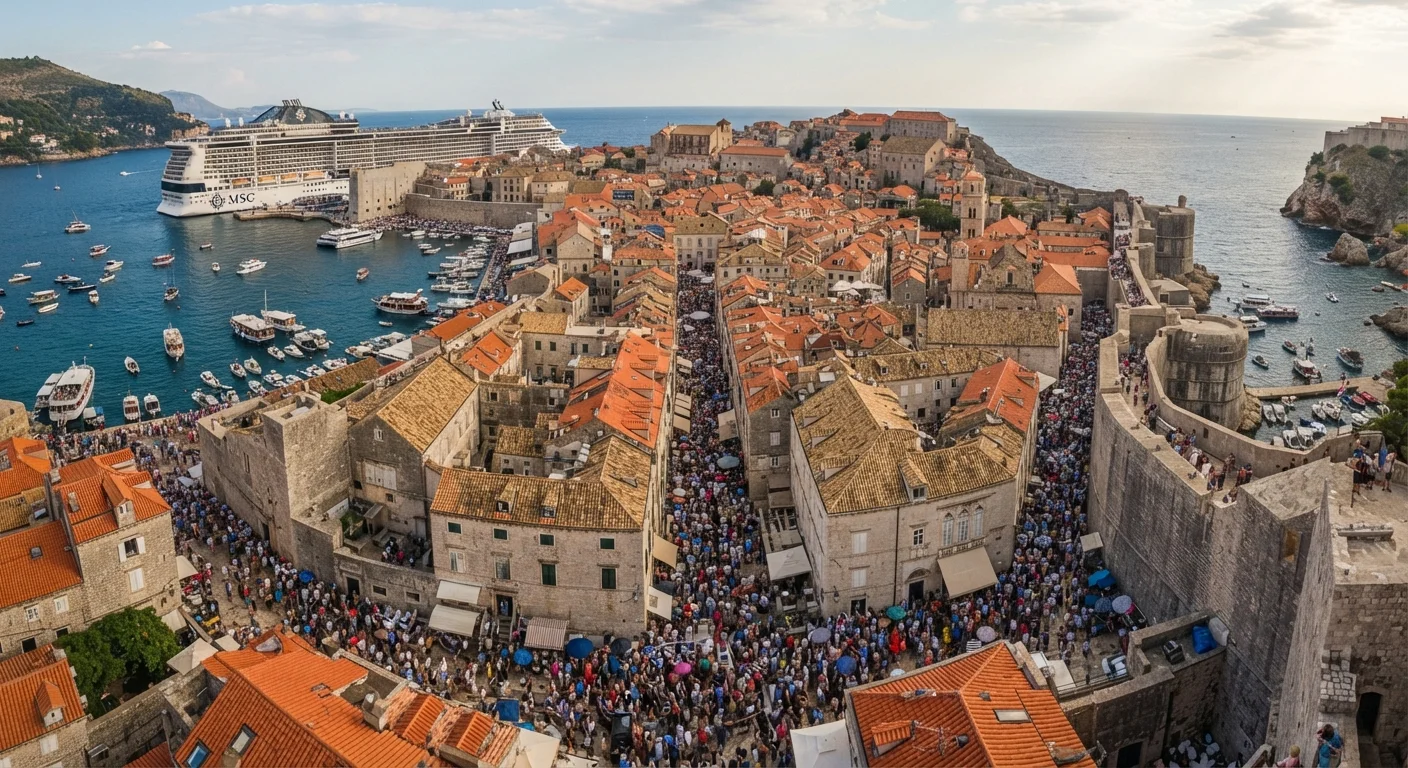
Photo: InsightsTurbo.com | Kickstart Your Knowledge Quest editorial
Key Takeaways
- Overtourism occurs when visitor numbers strain a destination's infrastructure, environment, and community.
- It affects residents first — through rising costs, crowded public spaces, and loss of local character.
- Popular attractions can degrade physically when foot traffic exceeds their natural or structural limits.
- Travellers can reduce impact by visiting during shoulder seasons or exploring less-visited alternatives.
- Choosing how and when to travel is itself a form of participation in destination health.
More Than Just a Crowd Problem
Scroll through any travel forum and you'll find posts lamenting the selfie lines at iconic viewpoints or the difficulty of booking a table at a beloved local restaurant. That frustration is real — but it's also only the surface of what overtourism actually means.
The concept goes well beyond inconvenience for visitors. Overtourism describes a structural imbalance: when the economic, social, and environmental systems of a place can no longer absorb the volume of tourists flowing through it. Locals feel it before travellers do — in rent increases, in losing access to their own city centers, in watching the character of their neighborhoods reshape around souvenir shops and short-term rentals.
Understanding this distinction matters because it reframes the question from "is this place too crowded for me?" to "what is my presence here actually doing?" That's a more useful lens for anyone trying to travel thoughtfully.
1.4B+
International tourist arrivals globally pre-pandemic
The UNWTO recorded over 1.4 billion international tourist arrivals in 2018, a figure that concentrated heavily in a small number of destinations.
~80%
Tourists visiting just 10% of destinations
Research cited by tourism sustainability organizations has consistently found that the vast majority of international tourists visit a small fraction of available destinations, intensifying pressure on already-popular sites.
2–3x
Rent increase factor in some tourist-heavy city centers
Academic studies of cities including Barcelona and Amsterdam have documented rent increases in tourist-dense districts that significantly outpaced citywide averages following short-term rental platform growth.
The Real Costs: Who Bears the Burden
When a destination tips into overtourism, the costs land unevenly. Residents of heavily visited cities often face housing displacement as landlords convert long-term units into short-term tourist rentals, driving up prices across the market. Public transport, parks, and beaches designed for local use become effectively inaccessible during peak season.
Natural sites face a different category of harm. Foot traffic on fragile ecosystems — alpine meadows, reef systems, cave networks — can cause degradation that takes decades to reverse, if it reverses at all. Coral reefs in popular dive destinations have shown measurable damage from high visitor volumes and the sunscreen chemicals that accompany them.
Cultural heritage sites face physical wear compounded by behavioral pressure. When a site becomes primarily a backdrop for content creation rather than a place of meaning, the experience for everyone — including future visitors — quietly diminishes.
How Travellers Can Factor This In
None of this means avoiding popular destinations entirely. It does mean thinking more deliberately about timing, location, and spending patterns when you plan.
Timing is often the most accessible lever. Travelling during shoulder seasons can meaningfully reduce the pressure you add to peak-period systems while often improving your own experience. Many destinations are quieter, more affordable, and more locally oriented just a few weeks before or after their peak window.
Location choice matters too. Most overtouristed cities have neighborhoods or nearby alternatives that receive a fraction of the visitor volume and offer genuine connection with the place. Research that goes beyond top-ten lists tends to surface these options more reliably than algorithmic recommendation feeds.
How you spend locally also shifts impact. Eating at locally owned restaurants, staying in locally operated accommodation, and hiring local guides redirects money into the community rather than out of it — a practical distinction that affects whether tourism functions as a net benefit or drain for residents.
Simple Shifts That Reduce Your Footprint
Why This Concept Belongs in Your Planning Toolkit
Overtourism isn't a reason to feel guilty about travelling — it's a framework for making more informed decisions. The same energy you'd put into comparing flight prices or building an itinerary can be applied to understanding a destination's relationship with visitors.
Deeper destination research often reveals which sites have active visitor management, which areas are asking for restraint, and which alternatives offer comparable experiences without the strain. That knowledge makes trips better, not just more ethical.
Consider pairing this awareness with a slower travel approach — spending more time in fewer places tends to reduce aggregate footprint while deepening what you actually take away from a trip. It's worth thinking about whether the goal is to check places off a list or to genuinely understand them. Those two aims lead to very different planning choices — and very different trips.
“Tourism is one of the most powerful economic forces in the world — but power without management creates harm. The goal should be tourism that benefits host communities, not just visiting ones.”
— UNWTO (World Tourism Organization), United Nations specialized agency for responsible and sustainable tourism
Frequently Asked Questions
The content provided on our blog site traverses numerous categories, offering readers valuable and practical information. Readers can use the editorial team’s research and data to gain more insights into their topics of interest. However, they are requested not to treat the articles as conclusive. The website team cannot be held responsible for differences in data or inaccuracies found across other platforms. Please also note that the site might also miss out on various schemes and offers available that the readers may find more beneficial than the ones we cover.