
What 'Off-Season Travel' Actually Means — and When It Works in Your Favour

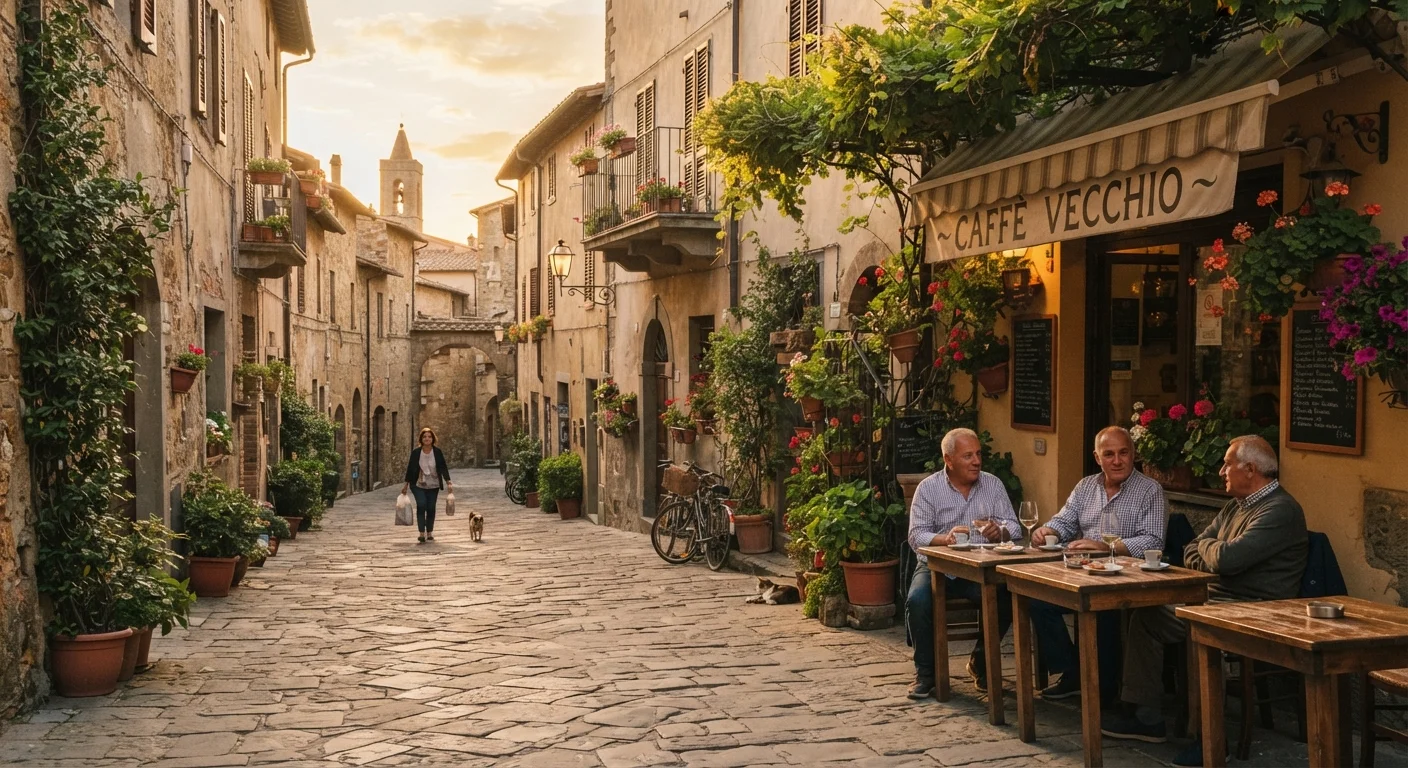
Photo: InsightsTurbo.com | Kickstart Your Knowledge Quest editorial
Key Takeaways
- Off-season is destination-specific — there's no universal calendar that applies everywhere.
- Lower demand often means fewer crowds, but may also mean reduced services or attractions.
- Shoulder season — the window between peak and off-peak — frequently offers the best overall balance.
- Weather trade-offs are real; understanding what 'low season' means climatically is essential.
- Some destinations genuinely shine during their off-season for certain traveler types.
Off-Season Isn't One Thing — It Depends on the Destination
When travelers talk about 'off-season,' they often mean it as shorthand for 'cheaper and quieter.' That's partially true — but the concept is more nuanced than it appears. Off-season is a relative term tied to a specific place's tourism calendar, climate patterns, and local economy.
A Caribbean island's low season runs through the summer, when Atlantic hurricane risk is elevated. Meanwhile, summer is high season across most of Western Europe. The Scottish Highlands have a completely different peak window than Thailand's beach towns. In short, there is no universal off-season — only a destination's own rhythm.
Understanding this matters because it shapes every practical decision: what you can do there, how you'll get around, and what the experience will actually feel like on the ground.
Always Verify Entry and Safety Conditions
The Shoulder Season Sweet Spot
Between the busiest peak and the quietest off-period sits shoulder season — often the most strategically useful window for travelers who want reduced crowds without accepting the full trade-offs of true low season. For many destinations, shoulder season delivers the closest thing to a 'best of both worlds' scenario.
Think of Mediterranean Europe in late September or early October: summer heat has eased, school holiday crowds have thinned, and most attractions remain fully operational. Or Southeast Asia just before monsoon season, when inland cultural sites are green and crowd-free.
For a deeper look at how these windows compare across destination types, our guide to shoulder and peak season trade-offs breaks down the decision factors worth weighing.
30–50%
Typical crowd reduction at major sites in shoulder season
Travel industry research consistently shows visitor volumes at popular European destinations drop substantially in the months immediately before and after peak season.
3 seasons
Distinct tourism windows most destinations have
Most destination travel guides define three broad windows — peak, shoulder, and off-season — each carrying different trade-offs in crowd levels, services, and climate.
Real Trade-Offs to Expect
Going off-season isn't simply a travel hack with no downsides. The trade-offs are real, and being honest about them helps you plan more effectively.
- Reduced services: Smaller hotels, local tour operators, and some restaurants close during true low season — particularly in resort-heavy destinations.
- Weather risk: Low season often coincides with less desirable weather: rain, extreme heat, cold, or storm risk. This isn't a dealbreaker, but it requires contingency planning.
- Fewer crowds — but sometimes for a reason: Some destinations are genuinely difficult to enjoy in their off-season. A beach town in a November downpour is a different experience than it sounds on paper.
- Potential upsides: Locals are less stretched, cultural experiences feel more authentic, and you're more likely to have landmarks to yourself — a real advantage for certain travel styles.
If you're the kind of traveler who prefers depth over logistics, this also pairs well with a slow travel approach — off-season conditions reward patience and flexibility.
When Off-Season Actually Works in Your Favour
Off-season travel genuinely suits certain types of trips and travelers. It tends to work well when:
- The destination's appeal isn't weather-dependent. Cities with rich cultural offerings — museums, architecture, food scenes — hold up year-round regardless of whether it's peak season.
- You have scheduling flexibility. Rigid trip dates eliminate most of the benefit. The more flexible your window, the more effectively you can time around a destination's rhythm.
- You're prioritizing experience over convenience. Fewer services means more self-reliance. Travelers who pack light and stay adaptable generally navigate off-season conditions better.
- Budget is a genuine constraint. Timing is one of the most durable levers in budget travel. Our budget travel principles guide explains how timing fits into the broader financial picture of a trip.
Off-season travel isn't a universal win — but for the right destination, the right traveler, and the right mindset, it can reshape what a trip costs and how it feels.
“The best time to visit a place is when you're ready to accept it on its own terms — weather, crowds, and all. Off-season travel demands flexibility, but it rewards presence.”
— Pico Iyer, Travel writer and author known for writing on the art and philosophy of travel
Frequently Asked Questions
The content provided on our blog site traverses numerous categories, offering readers valuable and practical information. Readers can use the editorial team’s research and data to gain more insights into their topics of interest. However, they are requested not to treat the articles as conclusive. The website team cannot be held responsible for differences in data or inaccuracies found across other platforms. Please also note that the site might also miss out on various schemes and offers available that the readers may find more beneficial than the ones we cover.