
Composting at Home: Is It Worth the Effort for a Small Garden?

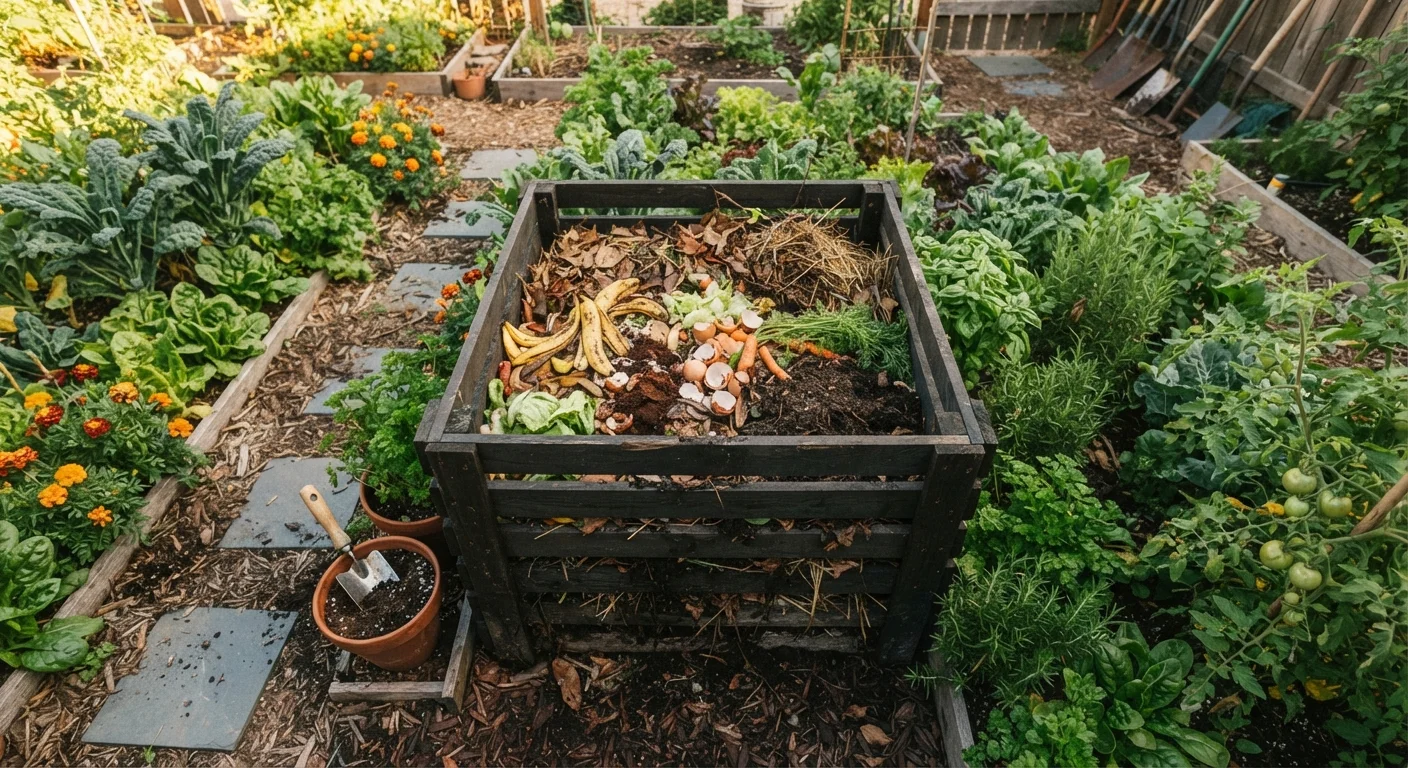
Photo: InsightsTurbo.com | Kickstart Your Knowledge Quest editorial
Key Takeaways
- Composting turns kitchen and yard waste into free, nutrient-rich soil amendment.
- Small gardens can benefit from composting, but compact bins or worm systems work better than large piles.
- The process takes patience - finished compost typically takes two to six months.
- Composting is low-cost to start but does require a consistent time commitment.
- Even beginners can compost successfully with a basic understanding of browns, greens, and moisture.
Reduces household food and yard waste significantly
The US EPA estimates that food and yard debris make up a large share of residential trash. Composting diverts that material from landfills while putting it to productive use.
Produces free soil amendment on a regular basis
Once a bin is established, you'll have a continuous supply of compost rather than repeatedly purchasing bagged products - a meaningful saving over a full growing season.
Improves soil structure for multiple plant types
Compost improves aeration, water retention, and nutrient availability across most soil types, benefiting vegetables, herbs, and flowering plants alike.
Introduces beneficial microbial life to garden beds
Finished compost contains millions of microorganisms that support root health, suppress some soil-borne diseases, and improve nutrient cycling over time.
Low cost to get started
A basic enclosed bin can be purchased affordably, or built from reclaimed wood or wire mesh. Ongoing costs are essentially zero - you're feeding it what you'd otherwise throw away.
Takes months before compost is usable
Unlike a bagged product you can apply immediately, home compost takes two to six months to fully mature. Beginners expecting quick results can find this discouraging.
Requires consistent attention and management
Turning the pile, monitoring moisture, and balancing greens and browns isn't complex - but it does require showing up regularly, especially in warmer months when decomposition accelerates.
Can attract pests if managed incorrectly
Adding the wrong materials or leaving a bin uncovered can attract rodents or insects. Using a sealed bin and avoiding cooked food or meat largely eliminates this risk.
Small gardens may not generate enough input material
A very small household with minimal yard waste may struggle to keep a bin actively decomposing. Low input volume slows the process considerably.
Odor can be an issue during hot weather
An imbalanced or overly wet bin can develop unpleasant smells. Proper brown-to-green ratios and good airflow prevent most odor problems, but beginners may encounter this initially.
What Composting Actually Does for Your Soil
Composting is the controlled breakdown of organic matter - vegetable peels, coffee grounds, fallen leaves, grass clippings - into a dark, crumbly material called humus. When mixed into garden soil, finished compost improves drainage in heavy clay, helps sandy soil retain moisture, and introduces beneficial microorganisms that support plant root health.
For a small garden, this matters more than it might seem. Poor soil is one of the most common reasons first-time plants underperform, and bagged soil amendments can get expensive quickly. Compost offers a free, renewable alternative. If you're just getting started with your plot, our guide to starting a garden from scratch covers how soil quality fits into your overall setup.
30%
Share of household waste that could be composted
According to the US EPA, food scraps and yard trimmings together make up roughly 30% of what the average American household throws away.
2-6 months
Typical time to produce finished compost
The University of Illinois Extension notes that active hot composting can produce finished material in as little as two months; passive cold composting may take up to a year.
The Real Advantages of Composting at Home
The benefits of a backyard compost system go beyond just free fertilizer. Here's what you can genuinely expect when you get into a rhythm.
Reduces household food and yard waste significantly
The US EPA estimates that food and yard debris make up a large share of residential trash. Composting diverts that material from landfills while putting it to productive use.
Produces free soil amendment on a regular basis
Once a bin is established, you'll have a continuous supply of compost rather than repeatedly purchasing bagged products - a meaningful saving over a full growing season.
Improves soil structure for multiple plant types
Compost improves aeration, water retention, and nutrient availability across most soil types, benefiting vegetables, herbs, and flowering plants alike.
Introduces beneficial microbial life to garden beds
Finished compost contains millions of microorganisms that support root health, suppress some soil-borne diseases, and improve nutrient cycling over time.
Low cost to get started
A basic enclosed bin can be purchased affordably, or built from reclaimed wood or wire mesh. Ongoing costs are essentially zero - you're feeding it what you'd otherwise throw away.
For gardeners using raised beds, compost is especially valuable. See how soil choices factor into that setup in our raised beds vs. ground planting breakdown.
The Honest Drawbacks You Should Know
Composting isn't universally convenient, and it's worth going in with realistic expectations. These are the limitations that catch beginners off guard.
Takes months before compost is usable
Unlike a bagged product you can apply immediately, home compost takes two to six months to fully mature. Beginners expecting quick results can find this discouraging.
Requires consistent attention and management
Turning the pile, monitoring moisture, and balancing greens and browns isn't complex - but it does require showing up regularly, especially in warmer months when decomposition accelerates.
Can attract pests if managed incorrectly
Adding the wrong materials or leaving a bin uncovered can attract rodents or insects. Using a sealed bin and avoiding cooked food or meat largely eliminates this risk.
Small gardens may not generate enough input material
A very small household with minimal yard waste may struggle to keep a bin actively decomposing. Low input volume slows the process considerably.
Odor can be an issue during hot weather
An imbalanced or overly wet bin can develop unpleasant smells. Proper brown-to-green ratios and good airflow prevent most odor problems, but beginners may encounter this initially.
Apartment or Balcony Gardeners: You Have Options
Which Composting Method Fits a Small Space?
The classic open compost pile isn't the only option - and for small gardens, it's often not the best one. Here's a quick look at the main approaches:
- Enclosed bin composting: A lidded plastic or wooden bin keeps things tidy, discourages pests, and fits into tight corners. This is the most practical choice for the average suburban backyard.
- Worm bin (vermicomposting): Uses red wiggler worms to break down food scraps quickly. Can be kept on a balcony or even indoors. Produces a highly concentrated compost. A solid choice if you're working with a balcony or patio container garden.
- Tumbler composting: A sealed rotating drum that speeds up decomposition and keeps pests out. Costs more upfront but produces finished compost faster with less manual turning.
- Bokashi system: A fermentation method that processes food scraps (including meat and dairy, which traditional composting excludes) using inoculated bran. Works well in apartments with outdoor garden access.
For most first-time gardeners with a small yard, an enclosed bin is the lowest-barrier starting point - manageable, affordable, and effective enough for modest garden beds.
How to Set Up a Basic Bin Without Overcomplicating It
Getting started doesn't require much. Choose a shaded or partially shaded spot with some access to soil - this allows worms and microorganisms to naturally migrate in. Your compost needs a rough balance of browns (dry leaves, cardboard, paper) and greens (vegetable scraps, grass clippings, coffee grounds). A common starting ratio is about two parts browns to one part greens by volume.
Keep the pile about as moist as a wrung-out sponge, and turn it every one to two weeks to introduce oxygen, which speeds decomposition. Avoid adding meat, cooked food, dairy, or diseased plant material to a standard bin - these can attract pests or introduce pathogens.
Finished compost looks dark, smells earthy, and crumbles easily. When it reaches that stage, work it into your beds at planting time or use it as a surface mulch. The whole process from start to usable product typically takes two to six months, depending on temperature, moisture, and how often you turn the pile.
Once your garden is producing well, you might also think about how your outdoor space functions beyond just growing - our outdoor living space setup guide is a practical next step.
The content provided on our blog site traverses numerous categories, offering readers valuable and practical information. Readers can use the editorial team’s research and data to gain more insights into their topics of interest. However, they are requested not to treat the articles as conclusive. The website team cannot be held responsible for differences in data or inaccuracies found across other platforms. Please also note that the site might also miss out on various schemes and offers available that the readers may find more beneficial than the ones we cover.