
Container Gardening on a Balcony or Patio: A Practical Starting Point

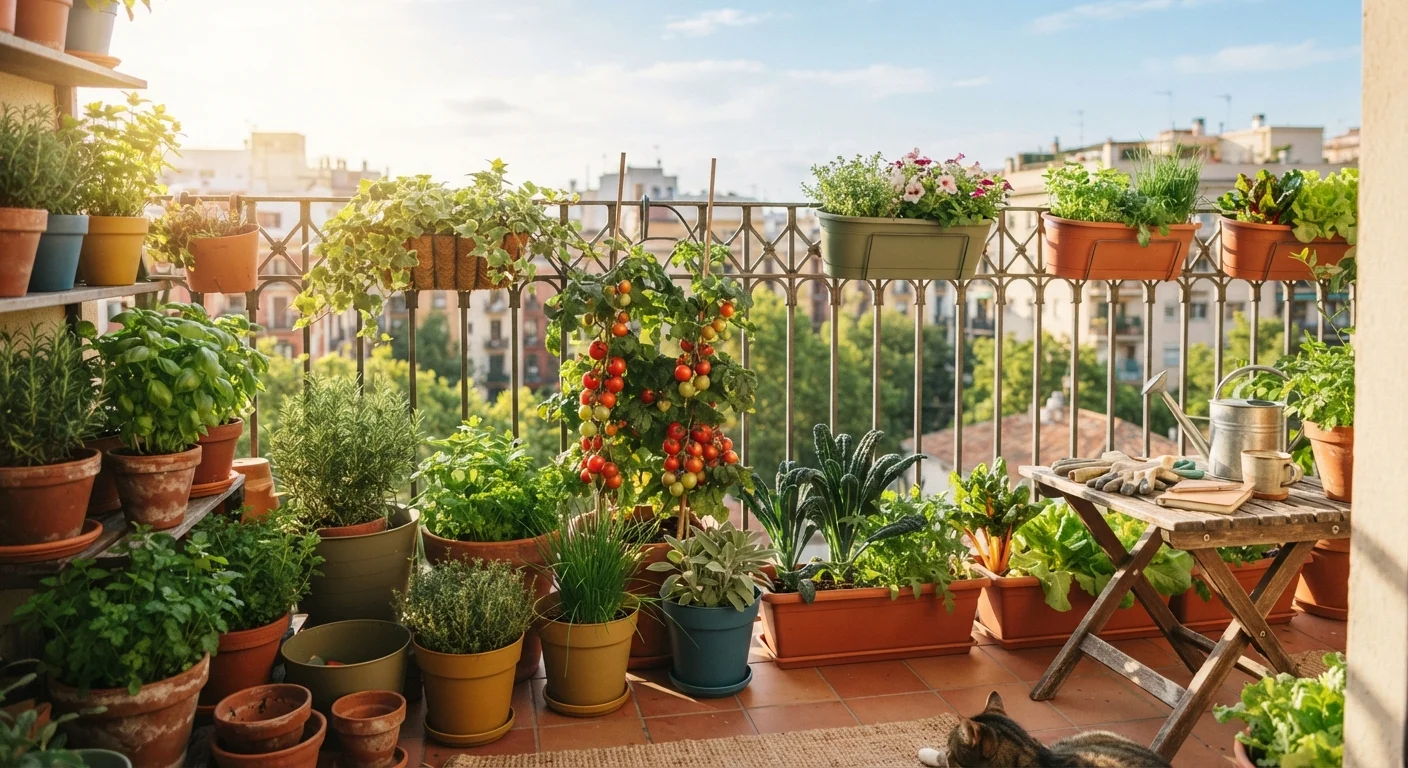
Photo: InsightsTurbo.com | Kickstart Your Knowledge Quest editorial
Key Takeaways
- Almost any balcony or patio can support container gardening with the right planning.
- Sun exposure is the single most important factor when choosing what to grow.
- Containers need proper drainage holes and the right potting mix - not garden soil.
- Compact herbs and vegetables like basil, lettuce, and cherry tomatoes thrive in containers.
- Consistent watering matters more than any other ongoing care task for container plants.
Why Containers Work for Small Outdoor Spaces
Not having a yard is no longer a barrier to growing your own food or creating a green outdoor retreat. Container gardening lets you work with the space you have - a narrow balcony, a concrete patio, or even a single sunny corner - and scale up gradually as your confidence grows. If you're just beginning your journey outdoors, our guide for first-time growers lays out the broader planning principles behind any new garden.
The main advantage of containers is control. You decide the soil quality, the placement, and which plants share a pot. You can move things around as seasons change, and you don't have to commit to large-scale infrastructure like raised beds. For a comparison of those approaches, see our article on raised beds vs. ground planting.
What you will need
Assessing Your Space Before You Buy Anything
Before purchasing a single pot or seed packet, spend a few days observing your balcony or patio. Track how many hours of direct sunlight it receives at different times of day. This single factor shapes every plant decision that follows.
- Full sun (6+ hours): You can grow tomatoes, peppers, herbs like basil and rosemary, and most fruiting vegetables.
- Partial sun (3-6 hours): Leafy greens, lettuce, spinach, and many herbs tolerate this well.
- Low light (under 3 hours): Stick to shade-tolerant plants like mint, ferns, or impatiens.
Also note whether your space gets strong wind, which can dry out containers quickly and damage delicate stems. A railing-mounted windbreak or a strategically placed taller pot can help buffer exposed spots. Pairing your container setup with thoughtful layout choices - covered in our outdoor living space guide - makes the overall area far more functional.
Containers with drainage holes
Hold your plants and soil while allowing excess water to escape, preventing root rot.
High-quality potting mix
Provides the right structure, aeration, and nutrients for plants growing without access to ground soil.
Watering can or hose with a gentle spray setting
Delivers water evenly without disturbing soil or damaging seedlings.
Saucers or drip trays
Catch drainage water to protect your balcony surface and avoid staining or water damage.
Slow-release granular fertilizer
Supplies nutrients gradually throughout the season without requiring frequent liquid feeding.
Trowel or small hand shovel
Makes filling containers with potting mix and transplanting seedlings easier and less messy.
Step-by-Step: Setting Up Your First Container Garden
Once you've assessed your space and gathered your materials, follow these steps to get your containers planted and ready to grow.
Choose containers appropriate for what you want to grow
Match pot size to plant type. Herbs like parsley and chives do fine in 6-8 inch pots. Lettuce and spinach thrive in wide, shallow containers (8-10 inches deep). Tomatoes, peppers, and larger plants need at least 12-14 inches of depth and a pot that holds 5 gallons or more. Every container must have drainage holes at the bottom - this is non-negotiable for plant health.
Fill containers with potting mix, not garden soil
Use a potting mix specifically labelled for containers. Garden soil compacts in pots, cutting off the air and drainage roots need. Fill to about an inch below the container's rim to leave room for watering. If you're mixing in a slow-release fertilizer, follow the package directions for the pot size you're using.
Select plants suited to your light conditions
Work from your sun assessment. If you have full sun, cherry tomatoes, basil, and peppers are excellent starting points. For partial shade, try lettuce, mint, or green onions. Buying transplants (young starter plants) from a nursery reduces the learning curve compared to starting from seed. For a fuller list of beginner-friendly crops, see our article on easy vegetables for first-season growers.
Plant and position your containers
Dig a hole in your potting mix slightly larger than the root ball of your transplant. Set the plant in so it sits at the same depth it was in its nursery pot. Firm the soil gently around the roots, water thoroughly, and place the container in the spot that matches the plant's light needs. Put saucers or drip trays underneath if your surface is sensitive to water damage.
Establish a consistent watering routine
Water when the top inch of soil is dry to the touch - avoid both extremes of bone-dry and constantly saturated soil. Morning watering is generally preferable because foliage dries before evening, reducing fungal disease risk. As temperatures climb in summer, check containers more frequently since small pots can dry out within a single day.
Start Small and Expand Each Season
Ongoing Care: What Actually Keeps Container Plants Alive
Container plants dry out faster than those in the ground because their root systems are confined and the pot walls radiate heat. In warm weather, small pots may need watering daily. A simple test: push your finger about an inch into the soil - if it's dry at that depth, water thoroughly until it drains from the bottom.
Feeding matters too. Potting mix nutrients wash out over time with regular watering. A slow-release granular fertilizer mixed in at planting, or a diluted liquid fertilizer applied every few weeks during the growing season, helps maintain steady plant health. For readers curious about building soil fertility more sustainably, our article on composting for small gardens offers an honest look at what's realistic.
Keep an eye on your plants' leaves. Yellowing, spots, or distorted growth often signal problems early, when they're easiest to address. Good spacing between containers improves airflow and reduces disease pressure - a topic explored in depth in our piece on keeping garden plants healthy without chemicals.
Check Your Lease or Building Rules First
The content provided on our blog site traverses numerous categories, offering readers valuable and practical information. Readers can use the editorial team’s research and data to gain more insights into their topics of interest. However, they are requested not to treat the articles as conclusive. The website team cannot be held responsible for differences in data or inaccuracies found across other platforms. Please also note that the site might also miss out on various schemes and offers available that the readers may find more beneficial than the ones we cover.