
Before You Plant Anything: A Garden Readiness Checklist

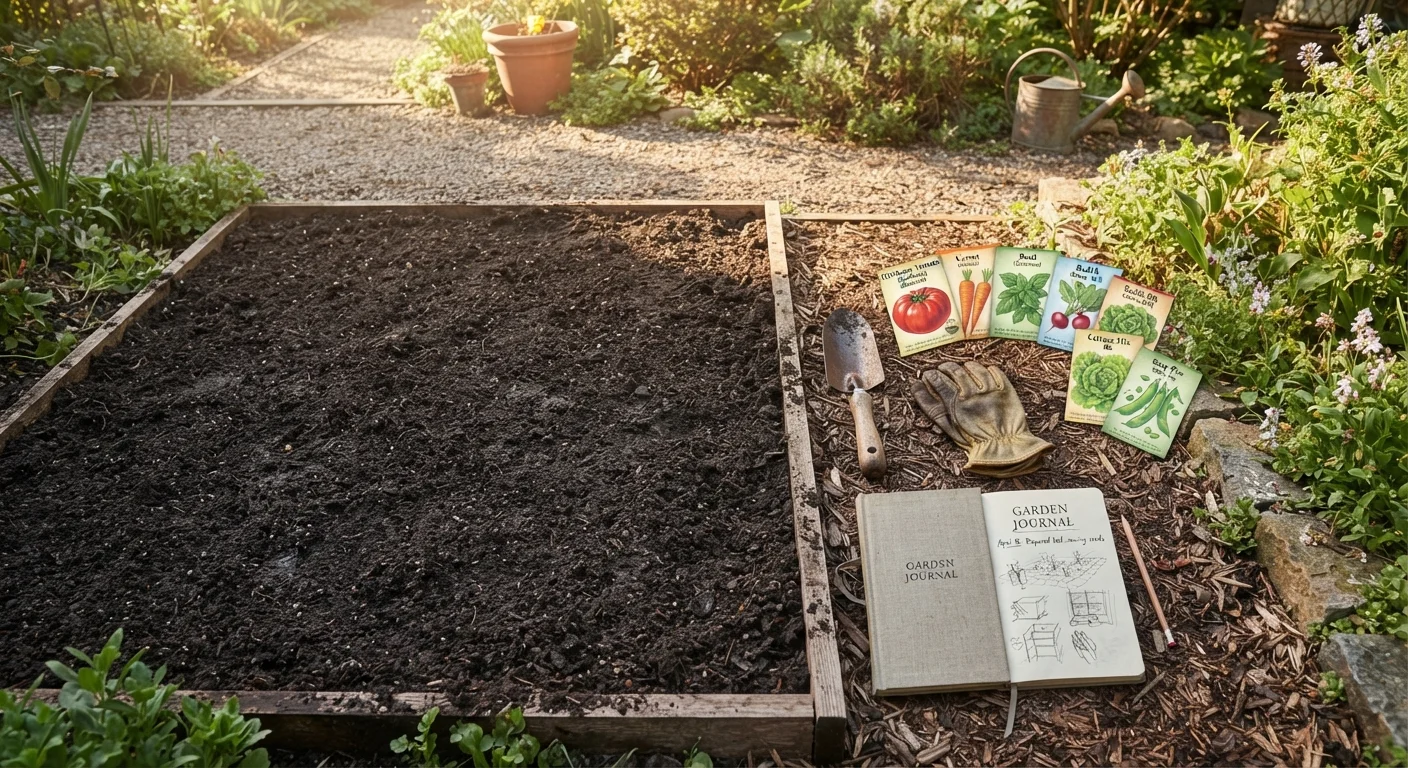
Photo: InsightsTurbo.com | Kickstart Your Knowledge Quest editorial
Key Takeaways
- Skipping soil preparation is the single most common reason first gardens underperform.
- Knowing your sunlight hours and frost dates before planting prevents most crop failures.
- Choosing the right garden format - raised bed or in-ground - affects your workload for years.
- Simple tools and a water plan are all you need to get started confidently.
- Working through a readiness checklist saves both time and money in your first season.
Why Preparation Comes Before Planting
Most first gardens struggle not because the grower lacks skill, but because they skipped the setup steps. Soil that hasn't been tested or amended, a spot that gets only four hours of sun, no plan for watering - these are fixable problems, but only if you catch them before seeds go in the ground.
This checklist walks you through everything worth verifying before you plant a single seed or transplant. Work through it once, and you'll go into your first season with a real foundation instead of crossed fingers. If you're still deciding on the basics, our guide for first-time growers covers the broader picture of how to plan your first garden without getting overwhelmed.
Site Assessment
Soil Preparation
Watering Plan
Layout and Planning
Final Readiness
Tools and Resources You'll Want on Hand
You don't need an expensive kit to run through this checklist. Most of what's required is either free information or basic equipment you may already own. Here's what's genuinely useful:
Soil test kit
Tells you your soil's pH and key nutrient levels so you know what amendments are actually needed.
Garden trowel
Used for digging small planting holes, transplanting seedlings, and working amendments into the top soil layer.
Hose or watering can
Essential for consistent watering - choose based on the size of your plot and proximity to a water source.
Garden gloves
Protect your hands from sharp debris, soil organisms, and blisters during soil prep and planting.
Garden hoe or rake
Helps break up compacted soil, level the surface, and prepare rows before planting.
Measuring tape or garden stakes
Lets you mark out accurate plant spacing before seeds or transplants go in the ground.
Compost or aged manure
Adds organic matter to improve soil structure, moisture retention, and nutrient availability.
Notebook or garden planner
Helps you record your layout, planting dates, and observations so you can learn and improve each season.
Once you've confirmed your site and tools, the next decision is how to structure your growing space. Raised beds and in-ground plots each have real trade-offs - understanding them before you dig saves significant rework later.
What to Do After the Checklist
Once every item is ticked off, you're genuinely ready to plant - not just eager to start. With your soil prepared, your site assessed, and your water plan in place, the gap between planting and harvesting becomes much more predictable.
Don't Plant Before Your Last Frost Date
For crop selection, some vegetables are considerably more forgiving than others in a first season. Explore which crops suit new growers and what conditions help them thrive. And as your garden gets going, good hygiene and spacing practices will do more to prevent problems than any spray or treatment. If your seedlings seem to struggle early on, learn the usual culprits and what to adjust before assuming something is seriously wrong.
The content provided on our blog site traverses numerous categories, offering readers valuable and practical information. Readers can use the editorial team’s research and data to gain more insights into their topics of interest. However, they are requested not to treat the articles as conclusive. The website team cannot be held responsible for differences in data or inaccuracies found across other platforms. Please also note that the site might also miss out on various schemes and offers available that the readers may find more beneficial than the ones we cover.