
Home Setup From Scratch: A Complete Roadmap for First-Timers

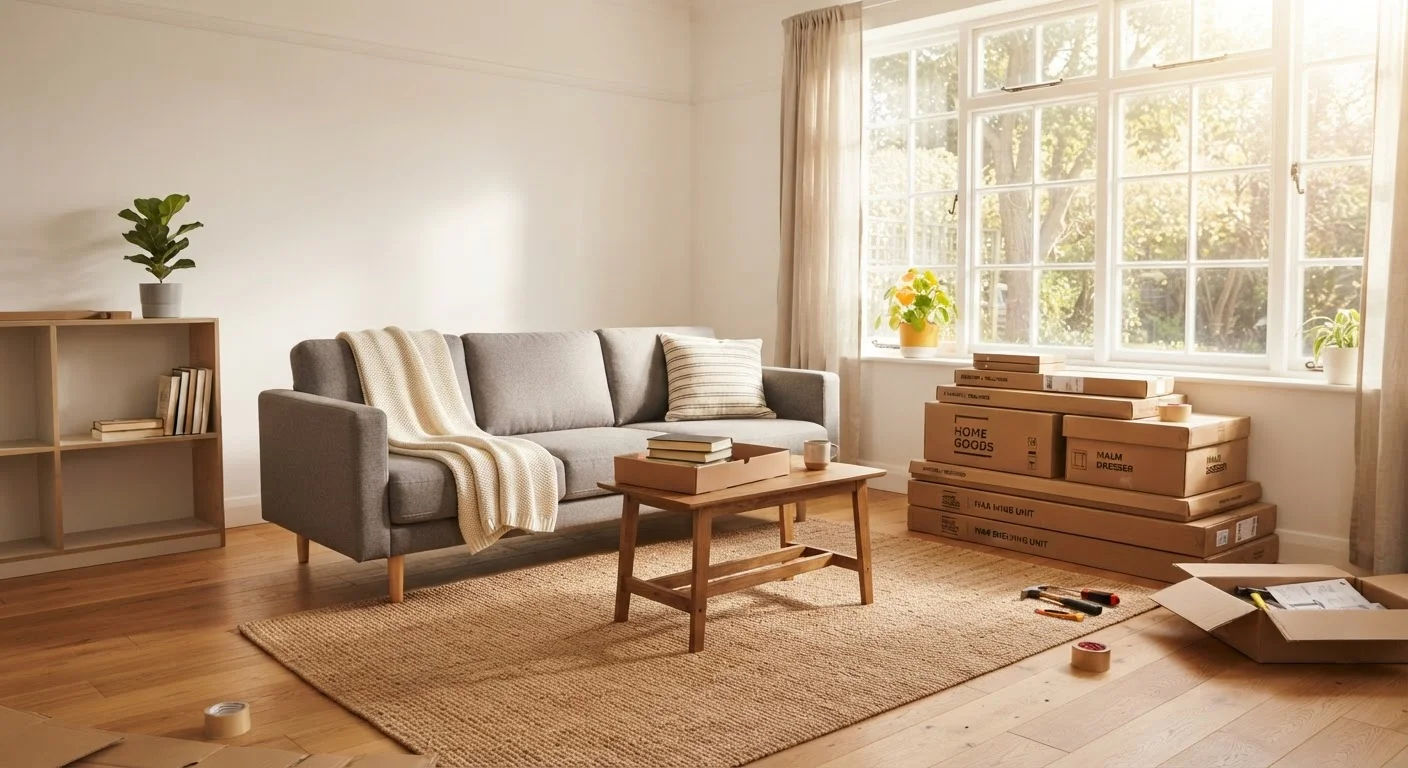
Photo: InsightsTurbo.com | Kickstart Your Knowledge Quest editorial
Key Takeaways
- Tackle utilities and safety items before spending a single night in your new home.
- Prioritize sleeping, cooking, and bathing essentials before decorative purchases.
- A phased shopping approach prevents overspending and buyer's remorse.
- Small personalizing touches - lighting, textiles, plants - make a space feel livable fast.
- Basic home improvement skills pay off long-term and are easier to learn than most expect.
Before You Unpack: The Foundation Phase
The first 48 hours in a new home set the tone for everything that follows. Before any furniture goes in, handle the non-negotiables. Our pre-move-in checklist walks through utilities, locks, and cleaning supplies in detail - but the short version is this: confirm electricity, water, and heat are active; change or rekey your locks if you're renting; and do a thorough clean before your belongings arrive.
Also locate your circuit breaker, water shut-off valve, and any smoke or carbon monoxide detectors. Test those detectors and replace batteries if needed. These steps cost almost nothing and protect you from preventable problems down the road.
Do a Walkthrough Before Moving Anything In
Room-by-Room Priorities
Trying to set up every room at once leads to exhaustion and overspending. Instead, work in tiers based on immediate need.
Bedroom First
Sleep quality affects everything else. Your bed frame, mattress, and bedding should be fully set up on day one. A dresser or clothes storage system comes next - living out of a suitcase for weeks erodes daily routines quickly.
Bathroom Second
You'll need a shower curtain and rings, a bath mat, towels, toilet paper, hand soap, and a basic first-aid kit. These are inexpensive and critical. Don't leave the store without them.
Living Room as a Work-in-Progress
A sofa, a lamp, and a surface to set things on is enough to start. Resist the urge to fully furnish and decorate immediately - you'll learn how you actually use the space after a few weeks of living in it.
~$1,500-$3,000
Estimated first-home setup cost for a one-bedroom
Industry estimates from US home furnishing surveys suggest first-time renters typically spend in this range on essential furniture and supplies.
72%
First-time renters who felt underprepared on move-in day
A widely cited survey of young US renters found nearly three-quarters felt they had forgotten at least one critical item before their first night.
Stocking the Kitchen Without Overbuying
The kitchen is where first-timers most commonly over-invest early. A fully equipped kitchen is built over months, not in a single shopping trip. Focus on items you'll use daily: one medium and one large pot, a non-stick skillet, a chef's knife, a cutting board, a colander, and a wooden spoon cover most basic cooking needs.
For pantry staples, think about what you'll cook in your first week and buy accordingly. Olive oil, salt, pepper, garlic, onions, canned tomatoes, pasta, and rice form a flexible base. Our kitchen essentials guide covers the full list without pushing you toward unnecessary gadgets.
Making Your Space Feel Like Home
Functional isn't the same as comfortable. Once essentials are in place, a few low-cost touches can transform a bare apartment into somewhere you actually want to be.
- Lighting: Overhead fixtures are often harsh. Add one or two floor or table lamps with warm-toned bulbs for evening atmosphere.
- Textiles: Throw pillows, a blanket, and an area rug soften hard surfaces and add visual warmth without major investment.
- Plants: Even one or two low-maintenance houseplants - pothos and snake plants tolerate low light and irregular watering - add life and color.
- Personal items: Photos, artwork, books, and objects you already own make the space distinctly yours at zero additional cost.
If you're sharing the space, our guide to making a shared apartment feel like home covers how to personalize without creating friction with housemates.
Before buying any large furniture, tape out the footprint on the floor using painter's tape. It takes five minutes and prevents costly sizing mistakes.
Buy curtains longer than your windows and hang the rod close to the ceiling. It makes ceilings feel higher and rooms feel larger without any renovation.
Smart Budgeting for Home Setup
Home setup costs add up faster than most people anticipate. A useful approach is the tier method: divide purchases into three categories - need now, need within 30 days, and want eventually. Only buy from the first category until you've moved in and assessed the space.
Track every purchase in a simple spreadsheet or notes app. This makes it easy to spot where you're drifting from your plan. Secondhand marketplaces, thrift stores, and buy-nothing groups are worth checking for furniture before buying new - large items like bookshelves, side tables, and dressers often appear in excellent condition.
This article is for general informational purposes only and does not constitute financial advice. For guidance specific to your financial situation, consult a qualified professional.
Building Confidence for Next Steps
Getting your space functional is just the beginning. Once you've settled in, small home improvement projects - patching nail holes, re-caulking a bathroom, hanging shelves properly - build skills that save money and give you genuine ownership over your space. Our beginner's home improvement guide is a good starting point if you've never picked up a drill.
For broader improvement ideas as your space evolves, browse the Home Improvement hub for room-specific guidance. And if outdoor space came with your place, starting a garden from scratch is a similarly approachable next project once indoors is sorted.
Setting up a home is a process, not an event. Give yourself permission to take it one room, one week, one decision at a time.
The content provided on our blog site traverses numerous categories, offering readers valuable and practical information. Readers can use the editorial team’s research and data to gain more insights into their topics of interest. However, they are requested not to treat the articles as conclusive. The website team cannot be held responsible for differences in data or inaccuracies found across other platforms. Please also note that the site might also miss out on various schemes and offers available that the readers may find more beneficial than the ones we cover.