
Getting a Dog's Weight Right: Why It Matters More Than It Looks

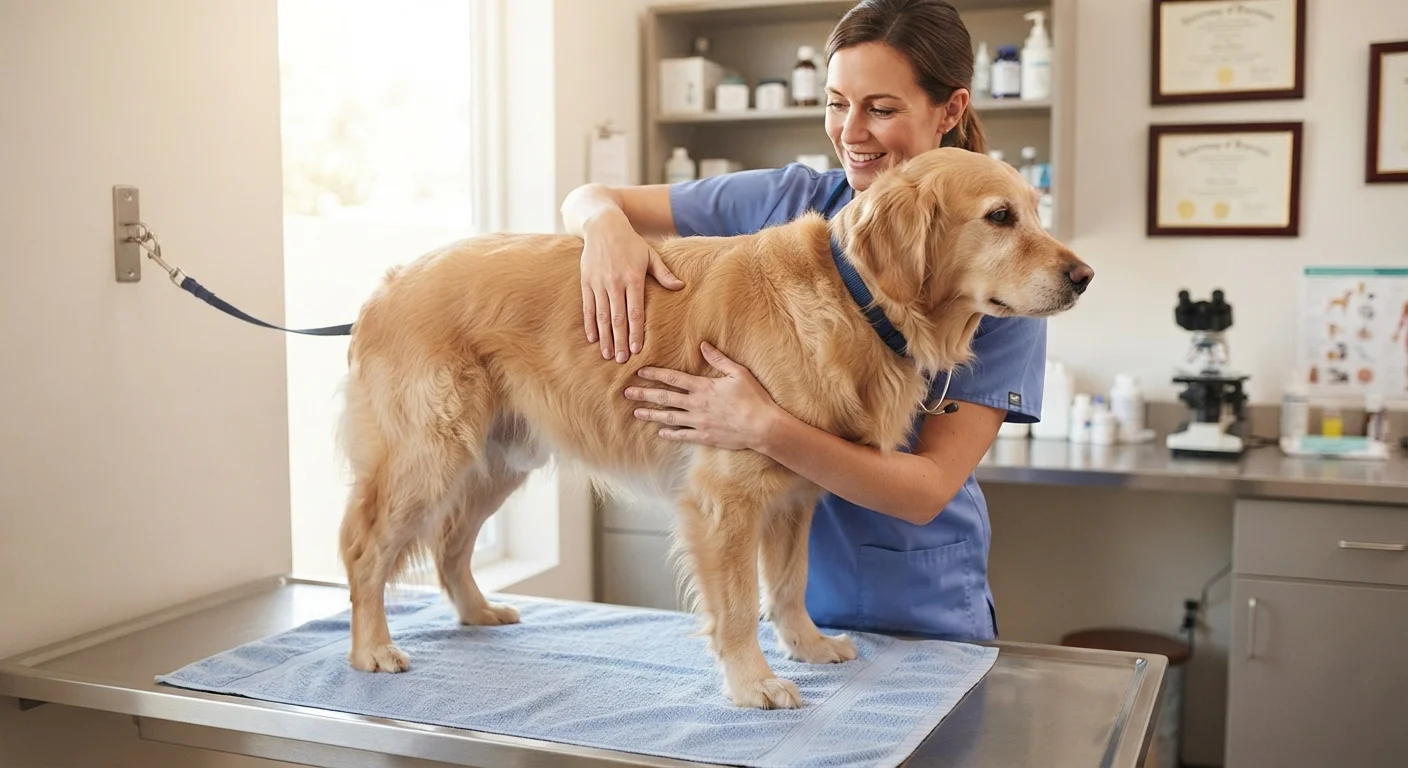
Photo: InsightsTurbo.com | Kickstart Your Knowledge Quest editorial
Key Takeaways
- Many dogs are overweight without owners noticing because weight gain is gradual and easy to normalise.
- Vets use a Body Condition Score (BCS) scale — not just a number on a scale — to assess healthy weight.
- You can do a simple at-home rib-check to get a rough sense of your dog's condition between vet visits.
- Excess weight in dogs is linked to joint problems, reduced lifespan, and increased disease risk.
- Portion control and consistent feeding schedules are more effective than food restriction alone.
Why Weight Is Easy to Misjudge
One of the most common surprises first-time dog owners face at a vet visit is learning their dog is heavier than is healthy — often without any obvious signs at home. Weight gain in dogs tends to be gradual, and when you see your pet every day, the change is easy to miss. Studies from veterinary organisations suggest a significant proportion of dogs seen in clinical practice are overweight or obese, though exact figures vary by region and study design.
Part of the problem is that fluffy coats, loose skin, and natural body variation make visual assessment unreliable. A dog can look perfectly normal to an untrained eye while carrying enough extra weight to stress their joints or shorten their lifespan. If you're navigating early dog ownership, this is one of those areas — like common new owner pitfalls — where what feels fine isn't always what's best.
Body Weight vs. Body Condition: Not the Same Thing
How Vets Actually Assess Weight: The Body Condition Score
Rather than relying solely on a number on the scale, veterinarians use a Body Condition Score (BCS) — a standardised assessment tool that evaluates fat coverage at specific points on a dog's body. Most vets use either a 5-point or 9-point scale, where the middle range represents ideal condition.
The assessment focuses on three main areas:
- Ribs: Can they be felt easily without pressing hard, but not seen prominently?
- Waist: Is there a visible tuck when viewed from above and from the side?
- Abdomen: Does the belly slope upward slightly from the chest rather than hanging level or drooping?
You can apply a rough version of this at home. Run your fingers along your dog's ribcage without pressing. If you can feel individual ribs fairly easily — like the back of your hand — that's a reasonable sign. If you have to push through a thick layer to find them, or if they're sharply prominent with no padding, those are signals worth discussing with your vet.
~56%
US dogs estimated to be overweight or obese
The Association for Pet Obesity Prevention has tracked companion animal weight trends across clinical settings for over a decade, consistently finding more than half of dogs assessed are above ideal weight.
Up to 2 years
Potential reduction in lifespan from obesity
Research published in veterinary journals, including long-term studies on Labrador Retrievers, has linked excess body weight to meaningfully shorter lifespans compared to lean counterparts.
What Extra Weight Actually Does to a Dog's Body
Excess weight isn't just a cosmetic concern. In dogs, carrying even a modest amount of extra body fat creates measurable health consequences. Joints bear the most obvious burden — conditions like osteoarthritis progress faster in overweight dogs, and heavier dogs often develop mobility problems earlier in life. Excess weight also affects breathing, particularly in short-nosed (brachycephalic) breeds like bulldogs or pugs, where any extra pressure on the airway matters.
Beyond joints and breathing, obesity in dogs is associated with a higher risk of metabolic conditions and certain types of cancer, and research consistently links overweight status to reduced life expectancy. These aren't rare, worst-case outcomes — they're among the most documented findings in companion animal medicine. If your dog is showing signs you're unsure about, knowing when to contact a vet early is always a reasonable step.
Best Practices for Keeping Your Dog at a Healthy Weight
Getting weight right is less about dramatic changes and more about building consistent habits from the start. The practices below are grounded in standard veterinary guidance and apply to most healthy adult dogs, though individual needs vary — always check with your vet for breed- or age-specific adjustments.
Measure food portions every time instead of free-pouring.
Treat calories as part of the daily food budget, not extras.
Schedule weight checks at home between vet visits.
Ensure exercise is consistent and appropriately matched to the dog's breed and age.
Establish a single, consistent feeding schedule rather than leaving food out all day.
One often-overlooked factor is food type. How food is formulated affects how much volume your dog actually needs to feel satisfied. For a broader look at how food choices interact with portion sizes, it's worth understanding calorie density as a concept — the same logic applies to dogs. The dry vs. wet food comparison can also help you make informed feeding choices.
Quick Actions You Can Take This Week
You don't need to overhaul everything at once. A few targeted actions can give you a much clearer picture of where your dog stands — and what, if anything, needs to change.
This article is for general informational purposes only and is not a substitute for professional veterinary advice. Always consult a licensed veterinarian for guidance specific to your dog's health, breed, age, and medical history.
The content provided on our blog site traverses numerous categories, offering readers valuable and practical information. Readers can use the editorial team’s research and data to gain more insights into their topics of interest. However, they are requested not to treat the articles as conclusive. The website team cannot be held responsible for differences in data or inaccuracies found across other platforms. Please also note that the site might also miss out on various schemes and offers available that the readers may find more beneficial than the ones we cover.