
Hamster Care from Day One: Housing, Feeding, and Handling

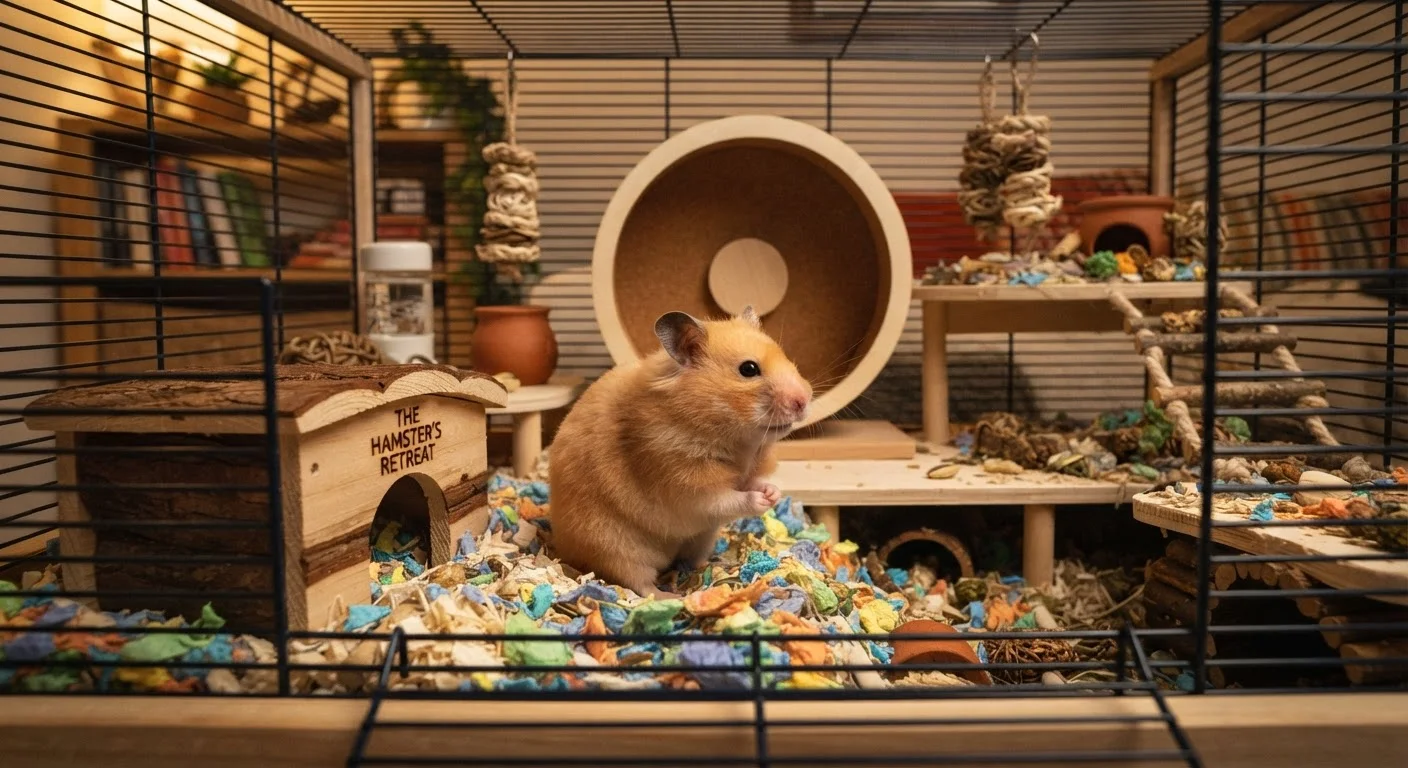
Photo: InsightsTurbo.com | Kickstart Your Knowledge Quest editorial
Key Takeaways
- Hamsters need significantly more cage space than pet stores typically suggest — aim for at least 40 inches by 20 inches of floor space.
- A seed-heavy diet alone is nutritionally incomplete; hamsters need a balanced pellet base supplemented with fresh foods.
- Handling should start slowly after a taming period of several days to avoid triggering defensive biting.
- Hamsters are crepuscular, meaning they are most active at dawn and dusk — not during school or work hours.
- Enrichment like deep bedding and an appropriately sized wheel is essential, not optional.
- Signs of illness can be subtle; knowing your hamster's baseline behavior helps you catch problems early.
Choosing the Right Housing
Housing is the single most impactful decision you'll make for a hamster. The enclosures most commonly sold in pet stores are undersized by modern welfare standards. Syrian hamsters — the large, golden variety most people picture — need a minimum of roughly 800 square inches of unbroken floor space. A 40-by-20-inch footprint is a workable starting point.
Cage style matters too. Wire-top cages with a deep plastic base work well because they allow ventilation while holding deep bedding. Glass tanks can work if they have adequate ventilation. Avoid multi-level cages with narrow tubes — hamsters can become stuck, and falls from height cause injuries.
Bedding depth is non-negotiable. Hamsters are burrowing animals. Aim for at least 6 inches of substrate — paper-based or aspen bedding are both safe choices — so your hamster can dig and construct tunnels. This behavior is essential for their wellbeing, not just a nice extra. See our guide to setting up a healthy small animal enclosure for a full breakdown of cage placement and substrate options.
Set Up the Cage Before You Bring Your Hamster Home
What to Feed Your Hamster
A high-quality hamster pellet or lab block should form the backbone of your hamster's diet. Seed mixes are popular but have a real drawback: hamsters selectively eat their favorite seeds, leaving behind everything nutritionally important. Pellets eliminate this problem by delivering consistent nutrition in every bite.
Fresh foods can round out the diet in small quantities a few times per week. Safe vegetables include cucumber, broccoli, leafy greens, and carrot. Safe fruits include small amounts of apple (seeds removed) and blueberries. Remove any uneaten fresh food within a few hours to prevent spoilage in the cage.
Foods to avoid include citrus fruits, onions, garlic, chocolate, sugary treats, and anything sticky or high in simple sugar, which can contribute to diabetes — a condition dwarf hamsters in particular are prone to. Fresh water should always be available, either via a sipper bottle or a heavy ceramic bowl that won't tip.
Dwarf Hamsters and Sugar Sensitivity
Enrichment and Exercise
Hamsters can run several miles in a single night in the wild, which makes a quality wheel one of the most important items in the cage. Syrian hamsters need a solid-surface wheel at least 10 to 11 inches in diameter. Running on a wheel that's too small forces the spine into an arched position, risking long-term injury. Dwarf species can use smaller wheels, but the same solid-surface rule applies — bar or rung wheels catch feet and cause injuries.
Beyond the wheel, enrichment reduces stress and problem behaviors like bar-chewing or repetitive pacing. Useful additions include wooden chew toys (hamsters' teeth grow continuously and need to be worn down), cardboard tubes for exploring, and a hide or nest box where your hamster can sleep undisturbed. Rotating toys periodically keeps the environment stimulating.
Remember that hamsters are crepuscular, meaning their natural activity peaks around dawn and dusk. Expect your hamster to be mostly asleep during the day. Disturbing a hamster during deep sleep is a common cause of biting and stress — something new owners often learn the hard way. For more first-owner lessons like this, see things first-time small pet owners wish they'd known earlier.
How to Handle a Hamster (Without Stressing It Out)
Hamsters are not naturally comfortable with being picked up — trust is built gradually. When you first bring your hamster home, give it two to four days to settle in before attempting any interaction. During this period, speak quietly near the cage and let your hamster get used to your voice and scent.
The taming sequence that works best: start by letting your hamster sniff your hand while it rests on the cage floor, with a small treat as a positive association. Once your hamster is comfortable approaching your hand, you can gently cup it from below rather than grabbing from above (which mimics a predator's strike). Keep early sessions to a few minutes and always handle close to a flat surface to reduce fall risk.
If your hamster bites, resist the instinct to flinch sharply — sudden movements reinforce fear. Place your hamster down calmly and try again another time. Consistent, brief sessions build confidence faster than long, infrequent ones. If you're still preparing for your hamster's arrival, our pre-arrival checklist for small pets can help you get everything ready before day one.
Health Basics and When to See a Vet
Hamsters are skilled at masking illness — a survival instinct that makes early detection challenging. Knowing what's normal for your individual hamster makes subtle changes easier to catch. A healthy hamster has clear eyes, a clean coat, firm droppings, steady weight, and an active appetite.
Common health issues include wet tail (a potentially serious bacterial condition causing diarrhea, most often seen in young hamsters under stress), dental problems from overgrown teeth, respiratory infections, and skin conditions. Any hamster that appears hunched, lethargic, stops eating, or has wet fur around the tail area should be seen by a veterinarian — ideally one with experience in exotic or small animal medicine — promptly. Don't wait to see if symptoms resolve on their own.
Routine vet visits aren't standard practice for hamsters the way they are for dogs or cats, but establishing a relationship with a small-animal vet before a problem arises is wise. For a broader look at how hamster care compares to other small pets, small pet lifespans, temperaments, and care demands at a glance is a helpful reference.
This article is for general informational purposes only and does not constitute veterinary advice. Always consult a qualified veterinarian for concerns about your pet's health.
Frequently Asked Questions
The content provided on our blog site traverses numerous categories, offering readers valuable and practical information. Readers can use the editorial team’s research and data to gain more insights into their topics of interest. However, they are requested not to treat the articles as conclusive. The website team cannot be held responsible for differences in data or inaccuracies found across other platforms. Please also note that the site might also miss out on various schemes and offers available that the readers may find more beneficial than the ones we cover.