
Rabbit Ownership: The Rewarding Parts and the Realities

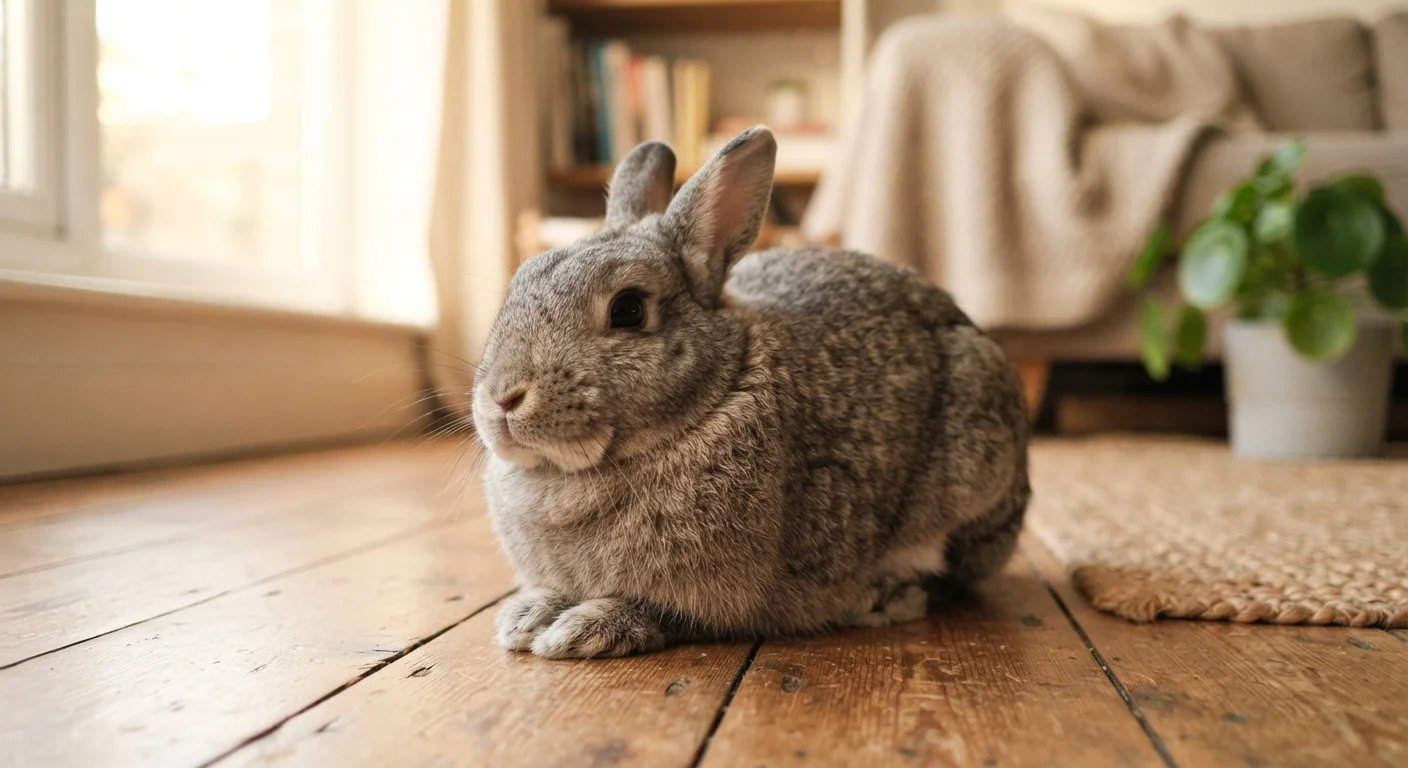
Photo: InsightsTurbo.com | Kickstart Your Knowledge Quest editorial
Key Takeaways
- Rabbits can live 8–12 years, making them a long-term commitment comparable to a dog or cat.
- They are social, trainable, and can form genuine bonds with their owners.
- Rabbits require rabbit-savvy veterinary care, which can be harder to find and more expensive than standard vet visits.
- Their need for space, daily hay, and safe roaming time makes them higher-maintenance than many first-timers expect.
- Chewing and digging are natural behaviors — your home will need rabbit-proofing before they arrive.
Quiet and suitable for apartment living
Rabbits don't bark or make noise that disturbs neighbors, making them one of the few genuinely apartment-friendly pets with real personality.
Can be litter-trained reliably
Most rabbits take to litter training quickly, especially if neutered or spayed, which makes day-to-day living much cleaner and more manageable.
Long lifespan means a lasting bond
Domestic rabbits typically live 8–12 years, giving owners the chance to develop a deep, long-term relationship that shorter-lived small pets don't allow.
Intelligent and genuinely trainable
Rabbits can learn their names, recognize routines, and even learn simple commands — a level of engagement many owners don't expect from a small animal.
Form real emotional bonds with owners
With time and patience, many rabbits become openly affectionate — seeking out their owners, grooming them, and showing visible contentment through relaxed body language.
No outdoor walks required
Unlike dogs, rabbits don't need outdoor exercise time, making them more practical for owners with limited mobility or unpredictable schedules.
Require exotic-animal vet care
Not every veterinary practice treats rabbits — you'll need to find a rabbit-savvy vet, and exotic animal appointments often cost more than standard small-animal visits.
Need significant daily space to roam
A cage or hutch alone is not sufficient housing. Rabbits need several hours of supervised free-roaming time daily or a large permanent enclosure to stay healthy.
Chew on everything, including cables
Chewing is a natural, unstoppable rabbit behavior. Electrical cords, baseboards, and furniture are all at risk unless the space is thoroughly rabbit-proofed.
Diet is more complex than it looks
The bulk of a rabbit's diet should be unlimited timothy hay; pellets and vegetables are supplements, not staples. Incorrect diet is a leading cause of serious digestive illness in pet rabbits.
Not well-suited to young children
Rabbits are prey animals that generally dislike being held, and a frightened rabbit can scratch or bite. They tend to thrive with calm, older children and adults.
Dental health requires ongoing monitoring
Rabbit teeth grow continuously throughout their lives. Dental problems — which can become severe and expensive — are common, particularly in rabbits not getting enough hay.
Why Rabbits Appeal — and Why They're Misunderstood
Rabbits are one of the most popular small pets in the United States, yet they're also among the most frequently surrendered to shelters. The disconnect usually comes down to one thing: unmet expectations. Rabbits are often marketed as easy starter pets, but they have complex needs that go well beyond food and a hutch.
That said, owners who understand what rabbit care actually involves consistently describe them as some of the most rewarding companion animals they've kept. They're quiet enough for apartment living, don't need outdoor walks, and can be litter-trained. The key is going in with accurate information. For a side-by-side view of how rabbits compare with other popular small pets, see this small pet comparison guide.
Rabbits Are Exotic Animals
The Rewarding Parts of Rabbit Ownership
There are genuine, well-documented upsides to sharing your home with a rabbit — and they go beyond the obvious 'they're cute' answer.
Quiet and suitable for apartment living
Rabbits don't bark or make noise that disturbs neighbors, making them one of the few genuinely apartment-friendly pets with real personality.
Can be litter-trained reliably
Most rabbits take to litter training quickly, especially if neutered or spayed, which makes day-to-day living much cleaner and more manageable.
Long lifespan means a lasting bond
Domestic rabbits typically live 8–12 years, giving owners the chance to develop a deep, long-term relationship that shorter-lived small pets don't allow.
Intelligent and genuinely trainable
Rabbits can learn their names, recognize routines, and even learn simple commands — a level of engagement many owners don't expect from a small animal.
Form real emotional bonds with owners
With time and patience, many rabbits become openly affectionate — seeking out their owners, grooming them, and showing visible contentment through relaxed body language.
No outdoor walks required
Unlike dogs, rabbits don't need outdoor exercise time, making them more practical for owners with limited mobility or unpredictable schedules.
Rabbits are prey animals by instinct, which means trust has to be earned rather than assumed. When a rabbit chooses to approach you, flop at your feet, or binky (leap and twist in mid-air out of pure joy), it signals real comfort and attachment. That earned bond tends to feel more meaningful to owners than affection from animals that are naturally bolder.
The Realities You Should Know Before Adopting
The responsibilities of rabbit ownership are frequently underestimated. These aren't dealbreakers — but they are factors worth weighing carefully before you commit to an animal that may live a decade or more.
Require exotic-animal vet care
Not every veterinary practice treats rabbits — you'll need to find a rabbit-savvy vet, and exotic animal appointments often cost more than standard small-animal visits.
Need significant daily space to roam
A cage or hutch alone is not sufficient housing. Rabbits need several hours of supervised free-roaming time daily or a large permanent enclosure to stay healthy.
Chew on everything, including cables
Chewing is a natural, unstoppable rabbit behavior. Electrical cords, baseboards, and furniture are all at risk unless the space is thoroughly rabbit-proofed.
Diet is more complex than it looks
The bulk of a rabbit's diet should be unlimited timothy hay; pellets and vegetables are supplements, not staples. Incorrect diet is a leading cause of serious digestive illness in pet rabbits.
Not well-suited to young children
Rabbits are prey animals that generally dislike being held, and a frightened rabbit can scratch or bite. They tend to thrive with calm, older children and adults.
Dental health requires ongoing monitoring
Rabbit teeth grow continuously throughout their lives. Dental problems — which can become severe and expensive — are common, particularly in rabbits not getting enough hay.
Veterinary care deserves special attention. Rabbits are classified as exotic animals, meaning they need a vet with specific training — not every general practice sees them. Costs for routine checkups, dental work (rabbit teeth grow continuously and can cause serious problems), and emergency care can add up quickly. Understanding the full cost of small pet ownership before you adopt will help you plan realistically.
8–12 years
Average domestic rabbit lifespan
Veterinary and animal welfare organizations consistently cite this range for well-cared-for indoor domestic rabbits.
3rd most
Most surrendered pet to US shelters
Animal welfare groups note rabbits are among the most commonly surrendered pets, largely due to unmet owner expectations after adoption.
Is a Rabbit Right for Your Home?
Rabbits are not ideal for very young children — they dislike being picked up and can bite or scratch when frightened. They do best with calm, patient owners who spend time at floor level, letting the rabbit approach on its own terms. Many rabbits eventually become openly affectionate, but it can take weeks or months to build that trust.
If you're comparing rabbits with guinea pigs specifically, the two animals have meaningfully different needs around space, companionship, and diet — this comparison of guinea pigs and rabbits walks through the key differences. It's also worth checking common small pet myths to separate fact from assumption before you decide. And for a quick-reference overview of lifespan, temperament, and vet needs, small pet lifespans and care demands at a glance is a useful starting point.
If you can meet their needs — daily hay, safe space to roam, social time, and access to specialized vet care — rabbits offer a genuinely enriching relationship that surprises many first-time owners with how deep it runs.
The content provided on our blog site traverses numerous categories, offering readers valuable and practical information. Readers can use the editorial team’s research and data to gain more insights into their topics of interest. However, they are requested not to treat the articles as conclusive. The website team cannot be held responsible for differences in data or inaccuracies found across other platforms. Please also note that the site might also miss out on various schemes and offers available that the readers may find more beneficial than the ones we cover.