
Easy Vegetables for First-Season Growers: What Tends to Succeed and Why

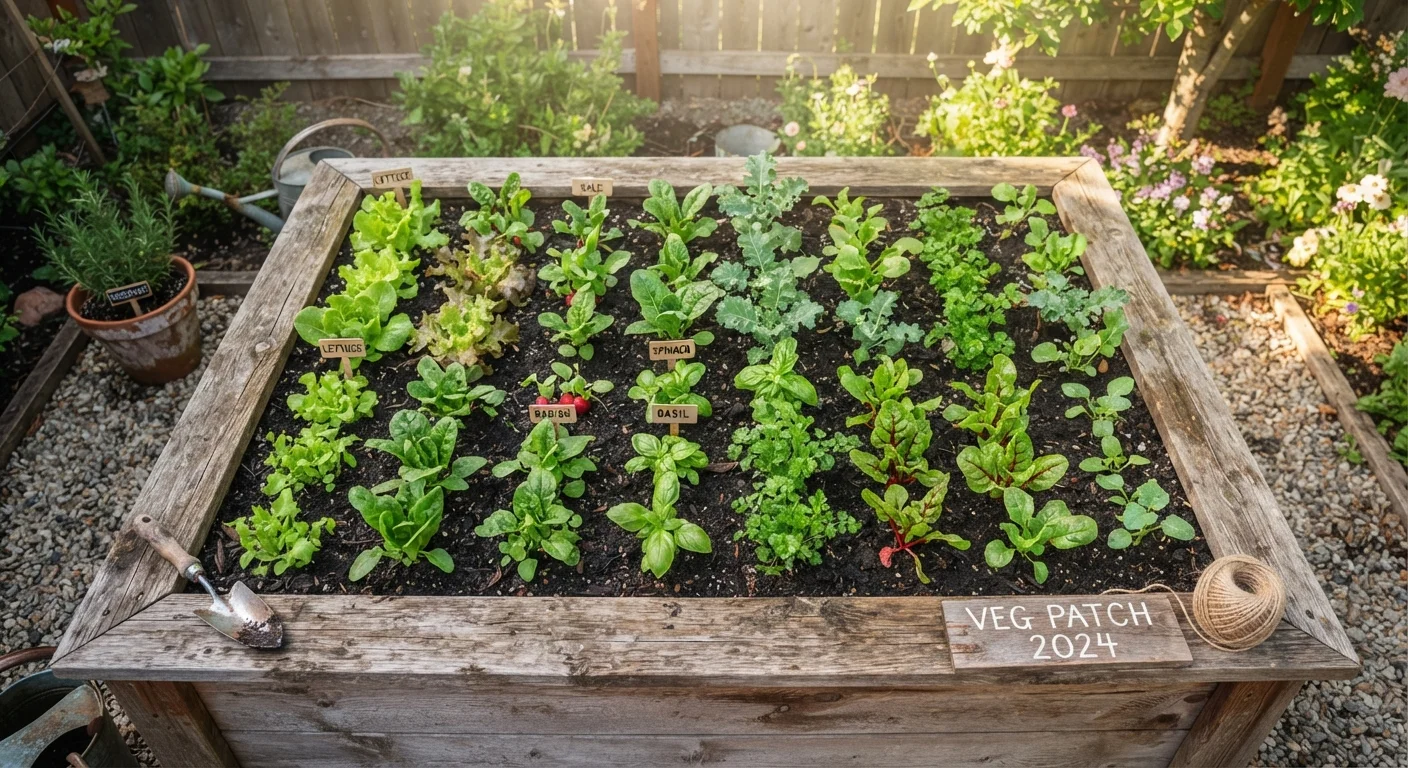
Photo: InsightsTurbo.com | Kickstart Your Knowledge Quest editorial
Key Takeaways
- Some vegetables are far more forgiving of beginner mistakes than others - start there.
- Fast harvest times and tolerance for inconsistent watering are key traits to look for.
- Matching a crop to your actual light conditions matters more than any other factor.
- Many beginner-friendly vegetables grow well in containers, not just in-ground plots.
- Starting simple builds the confidence and skill needed to grow more ambitious crops later.
Why Crop Choice Is a Beginner's Most Powerful Tool
Most first-season gardening struggles come down to one thing: choosing crops that need more skill, space, or ideal conditions than a new grower can reliably provide. The good news is that plenty of vegetables are genuinely forgiving - they tolerate inconsistent watering, imperfect soil preparation, and the learning curve that comes with any new skill.
Before diving into which crops work well, it's worth getting the basics in place. If you haven't already mapped out your space, checked your sun exposure, and thought through your setup, our garden readiness checklist walks through those steps clearly. And if you're still deciding between a raised bed and planting in the ground, this comparison of raised beds vs. ground planting can help you weigh the trade-offs before you commit.
The crops below share a few key traits: they tend to be fast-maturing, tolerant of minor mistakes, and productive enough to stay motivating throughout the season.
Check Your Last Frost Date First
Six Vegetables Worth Starting With
Start With Two or Three Crops, Not Six
Radishes
Radishes are arguably the most beginner-proof vegetable you can grow. Most varieties mature in 25 to 30 days, which means you see results quickly - a huge morale boost in a first season. They tolerate a wide temperature range and do well in both spring and fall. Direct sow seeds about half an inch deep into loose, well-drained soil, water consistently, and thin seedlings so they aren't crowded. The main failure point for new growers is skipping thinning: crowded plants produce spindly roots rather than the round, firm radishes you're aiming for.
Radishes mature in under 30 days - fast feedback that keeps first-season growers motivated.
Lettuce and salad greens
Loose-leaf lettuce varieties are shallow-rooted, fast-growing, and very tolerant of imperfect soil. Rather than waiting for a full head to form, you can harvest outer leaves continuously - a method called cut-and-come-again - which extends your harvest window considerably. Lettuce prefers cooler temperatures and will bolt (go to seed and turn bitter) in intense summer heat, so aim to plant it in early spring or late summer. It also does exceptionally well in containers, making it a smart choice for balcony or patio growers.
Cut-and-come-again harvesting means lettuce keeps producing long after the first picking.
Green beans (bush variety)
Bush beans require almost no support structure, mature in about 50 to 60 days, and are quite productive per plant. They fix nitrogen from the air into the soil through a symbiotic relationship with soil bacteria, which can benefit whatever you plant in that spot the following season. Sow seeds directly in the ground after your last frost date - beans don't transplant well. They need full sun and moderate, consistent water. Bush beans are far easier for first-timers than pole beans, which need trellising and have a longer growing season.
Bush beans need no trellising and can improve your soil for the season that follows.
Zucchini (summer squash)
Zucchini has a reputation for being almost too productive, which is exactly why it suits beginners - even with imperfect technique, you'll likely get something to harvest. Plants grow large, so give each one plenty of space (at least 2 to 3 feet between plants). They need full sun, regular watering at the base rather than overhead, and reasonably fertile soil. Watch for powdery mildew on leaves in humid conditions, which is common but usually doesn't affect the harvest significantly if caught early. Check plants frequently once fruiting begins - zucchini grows fast and is best harvested young.
Zucchini is productive enough that even beginner-level care usually delivers a real harvest.
Cherry tomatoes
Full-size tomatoes can be finicky for new growers, but cherry tomato varieties are considerably more forgiving - they're more disease-resistant, quicker to fruit, and less sensitive to inconsistent watering (which causes issues like blossom end rot and cracking in larger varieties). They still need full sun (at least 6 to 8 hours daily) and sturdy support as the plant grows. Start from transplants rather than seed if you want the simplest path. Cherry tomatoes also grow well in large containers, so they're an option even without a garden plot.
Cherry tomatoes are far more forgiving than full-size varieties for first-season growers.
Kale
Kale is a cold-tolerant leafy green that can handle light frost, making it useful at both ends of the growing season. It's relatively pest-resistant compared to other brassicas like broccoli or cauliflower, though you may see cabbage worms - inspect the undersides of leaves periodically and remove them by hand. Like lettuce, kale can be harvested leaf by leaf rather than all at once, which makes it a continuously productive plant over several weeks. It grows in partial shade more readily than most vegetables, making it a practical choice if your plot has limited full-sun spots.
Kale handles light frost and partial shade - rare flexibility that suits a tricky plot.
If you're working with a balcony or limited outdoor space rather than a traditional plot, several of these crops - particularly lettuce, cherry tomatoes, and radishes - adapt well to containers. Our container gardening guide covers how to set that up practically.
Setting Yourself Up for a Successful First Season
Choosing forgiving crops is the first step, but a few habits will carry you a long way from there. Water at the base of plants rather than overhead when possible - wet foliage invites fungal issues. Check on your garden every day or two, even briefly; catching a pest problem or a stressed plant early is far easier than dealing with it after the fact.
If you started from seed indoors and your seedlings aren't thriving, this guide to seedling problems covers the most common culprits. And once you feel comfortable with the basics, companion planting is a natural next step - pairing plants that support each other can improve yields and reduce pest pressure without extra chemicals.
A first season doesn't need to be perfect. It needs to be educational. Even if some things don't work out as planned, every growing season teaches you something that makes the next one better. Start simple, pay attention, and build from there.
The content provided on our blog site traverses numerous categories, offering readers valuable and practical information. Readers can use the editorial team’s research and data to gain more insights into their topics of interest. However, they are requested not to treat the articles as conclusive. The website team cannot be held responsible for differences in data or inaccuracies found across other platforms. Please also note that the site might also miss out on various schemes and offers available that the readers may find more beneficial than the ones we cover.