
Companion Planting Explained: Which Plants Genuinely Help Each Other

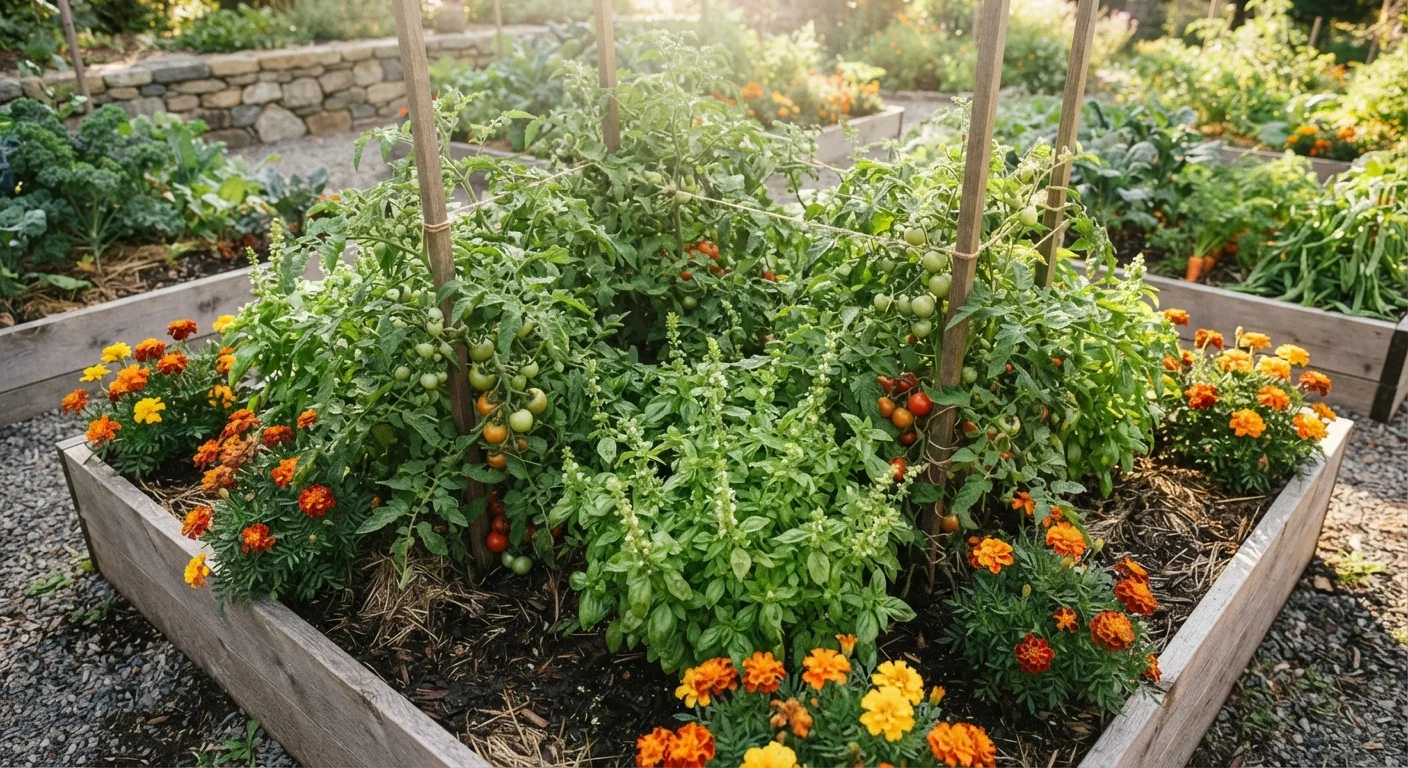
Photo: InsightsTurbo.com | Kickstart Your Knowledge Quest editorial
Key Takeaways
- Companion planting works best when you understand the specific reason two plants are paired together.
- The most evidence-backed benefits involve pest deterrence and attracting beneficial insects.
- Classic pairings like the Three Sisters (corn, beans, squash) are grounded in practical, documented results.
- Not all traditional companion planting advice has scientific support - healthy skepticism helps.
- Even unproven pairings rarely hurt, so experimenting as a beginner carries little risk.
What Companion Planting Actually Is
The idea behind companion planting is simple: some plants, when grown near each other, create conditions that help one or both of them thrive. That help can take several different forms - one plant might repel insects that attack another, or a deep-rooted plant might pull up nutrients that benefit its shallow-rooted neighbor.
This isn't a modern invention. Indigenous farming communities in North America developed sophisticated multi-plant systems long before Western gardening books existed. The concept has since been absorbed into mainstream home gardening, though not always with the same rigor behind it.
If you're just getting started, companion planting is worth understanding early. See our guide to starting a garden from scratch for the broader foundation this technique fits into.
Folklore vs. Evidence: Know the Difference
The Benefits That Are Actually Backed by Evidence
Before trying any pairing, it helps to know which types of benefits have genuine support and which are mostly tradition.
- Pest confusion: Strongly scented plants like basil, marigolds, or nasturtiums may disrupt the ability of pest insects to locate their target crops. Research has shown some effect here, though results vary by pest species and garden conditions.
- Pollinator attraction: Flowering companion plants draw bees and other beneficial insects that improve fruit and vegetable yields. This is one of the most consistently supported benefits.
- Nitrogen fixation: Legumes like beans and peas host bacteria in their roots that convert atmospheric nitrogen into a soil-available form. Planting them near heavy feeders like corn is a well-documented benefit.
- Ground cover and moisture retention: Low-growing plants alongside taller crops can shade the soil, reducing moisture loss and suppressing weeds.
The evidence for benefits like "improving flavor" or vague "growth enhancement" is much thinner. These claims circulate widely in gardening culture but haven't been reliably demonstrated in controlled conditions.
30-40%
Potential aphid reduction near marigolds
Some horticultural research suggests marigolds can reduce aphid populations on neighboring plants, though results vary significantly by garden conditions.
3-in-1
Ecosystem roles filled by the Three Sisters
Corn, beans, and squash each perform a distinct function - structure, nitrogen fixation, and ground cover - making the combination a documented example of productive polyculture.
~65%
Of food crops depend on pollinators
According to the USDA, roughly two-thirds of the world's crop species benefit from pollination - a key reason attracting beneficial insects through companion planting has measurable value.
Three Classic Pairings That Hold Up
These combinations are referenced frequently because they reflect real, observable mechanisms - not just tradition.
The Three Sisters: Corn, Beans, and Squash
This Native American polyculture system is among the most documented examples of companion planting working at scale. Corn provides a trellis for beans to climb; beans fix nitrogen that feeds the corn; squash spreads low to shade the soil, retaining moisture and reducing weed competition. Each plant solves a problem the others face.
Tomatoes and Basil
These two share similar growing conditions - full sun, warm temperatures, consistent water. Basil's volatile oils may reduce aphid and thrip activity near tomatoes, though research on this specific effect is mixed. At minimum, growing them together is space-efficient and practical.
Marigolds and Vegetables
French marigolds (Tagetes patula) are one of the most studied companion plants. Their root secretions have been shown to suppress certain soil nematodes (microscopic worms that damage roots), and their flowers attract predatory insects that feed on aphids and whiteflies.
Knowing which vegetables work well together is easier once you're familiar with the crops themselves. Our article on easy vegetables for first-season growers is a useful complement to this guide.
How to Use Companion Planting Without Overcomplicating It
One of the most common mistakes new gardeners make is treating companion planting as a rigid system of rules. It works better as a set of loose principles you layer onto sound gardening basics.
Start with one or two intentional pairings - marigolds near your vegetable beds is a genuinely low-effort starting point. Build from there as you observe what happens. Good soil health, appropriate spacing, and consistent watering will always matter more than which plants sit next to each other. Make sure those fundamentals are in place first by reviewing our garden readiness checklist before you plant.
Also consider your growing setup. Raised beds and in-ground plots each affect how tightly you can manage plant proximity - something worth thinking about before you plan pairings. Our piece on raised beds vs. ground planting can help you think through those trade-offs.
Start Simple: One Pairing Per Bed
Finally, healthy soil makes companion planting more effective. Plants under stress from nutrient deficiency or poor drainage won't benefit much from their neighbors. Our guide to soil, compost, and potting mix explains how to build a strong foundation first.
Frequently Asked Questions
The content provided on our blog site traverses numerous categories, offering readers valuable and practical information. Readers can use the editorial team’s research and data to gain more insights into their topics of interest. However, they are requested not to treat the articles as conclusive. The website team cannot be held responsible for differences in data or inaccuracies found across other platforms. Please also note that the site might also miss out on various schemes and offers available that the readers may find more beneficial than the ones we cover.